
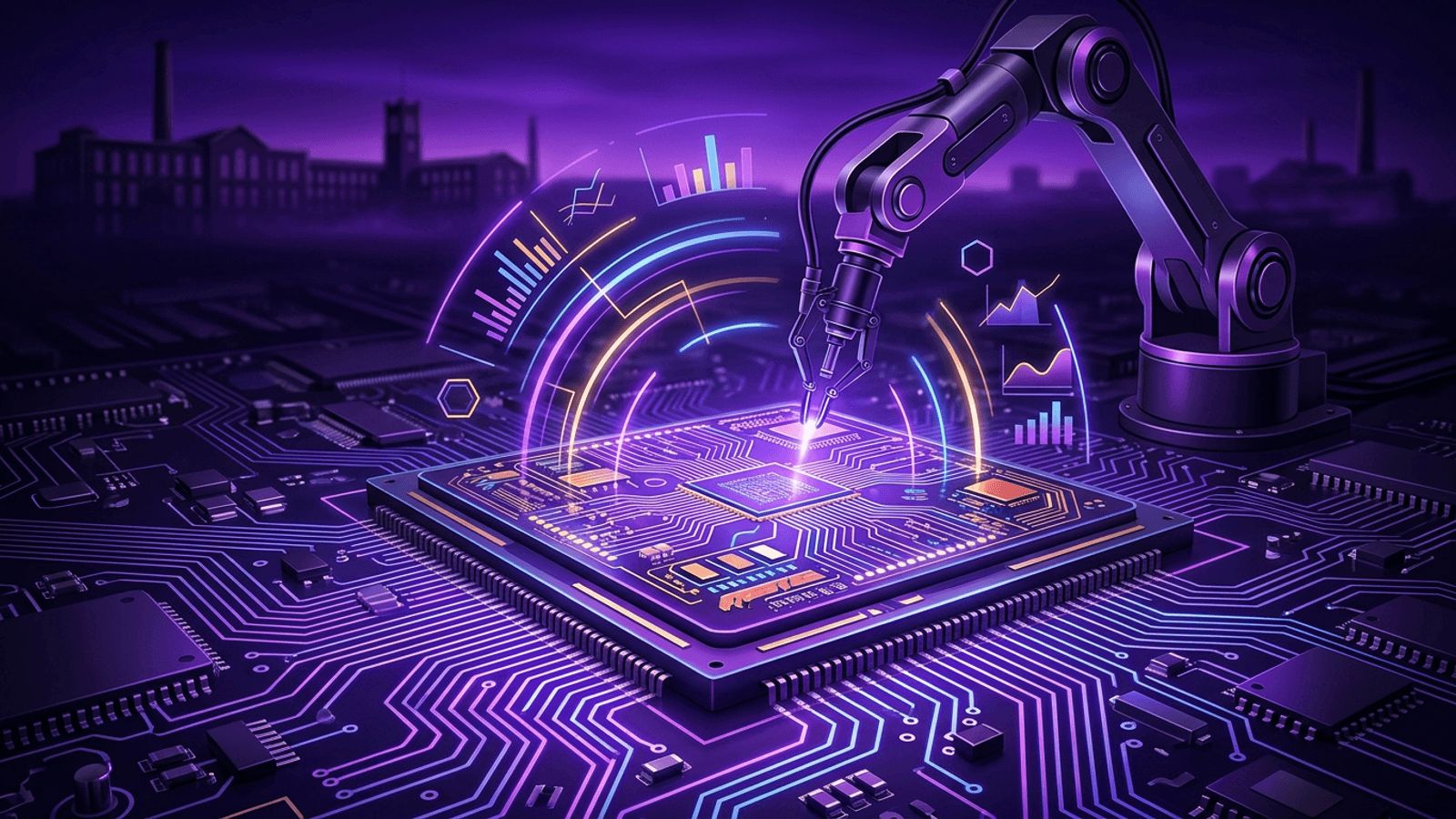
Lowell's Electronics Renaissance
Lowell's industrial story did not end with textiles. In the late twentieth century, the city became a major center for computing when Wang Laboratories built its headquarters here. Although Wang eventually declined, it left behind a skilled workforce and infrastructure that attracted new electronics and technology companies. Today, Lowell and the surrounding Route 495 corridor host semiconductor designers, defense electronics firms, and advanced hardware startups.
UMass Lowell strengthens this ecosystem through its engineering programs, nanomanufacturing research, and the Raytheon-UMass Lowell Research Institute. The city's mill buildings have been repurposed into labs and clean spaces where innovative electronics are designed and built.
What Sets Leading Electronics Manufacturers Apart
- Innovation: Investment in research and new product development.
- Quality systems: Certifications for aerospace, defense, and medical markets.
- Supply chain resilience: Domestic capabilities and diversified sourcing.
- Talent: Access to skilled engineers and technicians.
- Market focus: Specialization in high-growth segments such as 5G, data centers, and defense.
The Top 10 Electronics Manufacturers in and Around Lowell
1. MACOM
Headquartered in Lowell, MACOM is a leading supplier of high-performance analog, RF, microwave, and optical semiconductors. Its products support telecommunications, data centers, aerospace, and defense. With multiple facilities in the city, MACOM is one of Lowell's most important technology employers.
2. CSPi
CSPi, based in Lowell, develops high-performance computing products and technology solutions, including network security offerings. Its long history in the region reflects Lowell's computing heritage.
3. AvCarb Material Solutions
AvCarb manufactures carbon fiber materials used in fuel cells and batteries, critical components for clean energy electronics and electric vehicles.
4. Phoenix Infrared
Phoenix Infrared is a Lowell company focused on infrared optics and components, serving thermal imaging, defense, and industrial markets.
5. Fluens Corporation
Fluens is a Lowell-based technology company working on advanced materials and processes, reflecting the city's role in hardware innovation and university spin-offs.
6. Rapid Micro Biosystems
Rapid Micro Biosystems manufactures automated microbial detection systems in Lowell. Its instruments combine electronics, optics, and software to serve pharmaceutical quality control.
7. Raytheon
Raytheon, an RTX business, has major operations in the nearby towns of Andover and Tewksbury, producing advanced radar and defense electronics. Its partnership with UMass Lowell supports research and workforce development.
8. Analog Devices
Analog Devices, headquartered in nearby Wilmington, is a global leader in data converters, signal processing, and power management chips. Many Lowell engineers build careers at the company.
9. Mercury Systems
Mercury Systems, based in Andover, designs secure processing subsystems for aerospace and defense applications, adding to the region's electronics strength.
10. Entegris
Entegris, headquartered in nearby Billerica, supplies advanced materials and contamination control solutions for semiconductor manufacturing, supporting chipmakers worldwide.
Trends in the Electronics Industry
The electronics sector is being shaped by artificial intelligence, high-speed data centers, and next-generation wireless networks, all of which demand faster, more efficient semiconductors. Defense spending supports radar, electronic warfare, and secure communications. Federal initiatives encourage domestic semiconductor manufacturing, benefiting companies with U.S. production capabilities. Advanced packaging and photonics are emerging as key areas of innovation.
For Lowell, these trends translate into demand for engineers, technicians, and manufacturing space, strengthening the city's role as a technology hub north of Boston.
Building a Career in Lowell Electronics
Students at UMass Lowell and Middlesex Community College can pursue programs in electrical engineering, computer engineering, and manufacturing technology. Internships and co-op programs with local companies provide practical experience. Experienced professionals benefit from the dense network of employers along Route 495 and Route 128.
Frequently Asked Questions About Lowell Electronics
What role did Wang Laboratories play in Lowell?
Wang Laboratories was a computing giant that built its headquarters in Lowell and employed thousands of people. Its rise helped define the Massachusetts Miracle of the 1980s, and its legacy includes a skilled technology workforce and repurposed facilities.
What does MACOM make?
MACOM designs and manufactures semiconductors for RF, microwave, analog, and optical applications. Its components are used in telecommunications infrastructure, data centers, aerospace, and defense systems.
Are there opportunities for startups?
Yes. UMass Lowell's Innovation Hub and partnerships provide lab space, mentorship, and connections to manufacturing resources. The region's network of contract manufacturers and component suppliers helps hardware startups scale.
What skills are in demand?
Employers seek electrical and RF engineers, test engineers, firmware developers, process engineers, and skilled technicians. Experience with quality systems and cleanroom processes is especially valued.
Why is the Route 495 corridor important?
The corridor connects Lowell to a dense cluster of defense, semiconductor, and technology employers, creating a talent ecosystem that strengthens every company in the region.
Local Insight: Why Hardware Companies Choose Lowell
Hardware companies weigh space, talent, and cost when choosing a location, and Lowell scores well on all three. Converted mill buildings offer large floor plates with high ceilings that suit labs, assembly lines, and test areas, often at lower rents than inner Boston suburbs. The commuter rail and highway access along Route 3 and Route 495 make it easy to recruit engineers from across the region. Proximity to UMass Lowell provides access to specialized equipment, student interns, and faculty expertise, while a dense network of contract manufacturers and component suppliers shortens supply chains for growing companies.
Conclusion
Lowell's electronics manufacturers combine deep technical expertise with a rich industrial legacy. From MACOM's semiconductors to emerging sensor and materials startups, the companies listed here demonstrate why the Mill City remains a vital part of the Massachusetts technology economy.