
An Emerging Electronics Industry
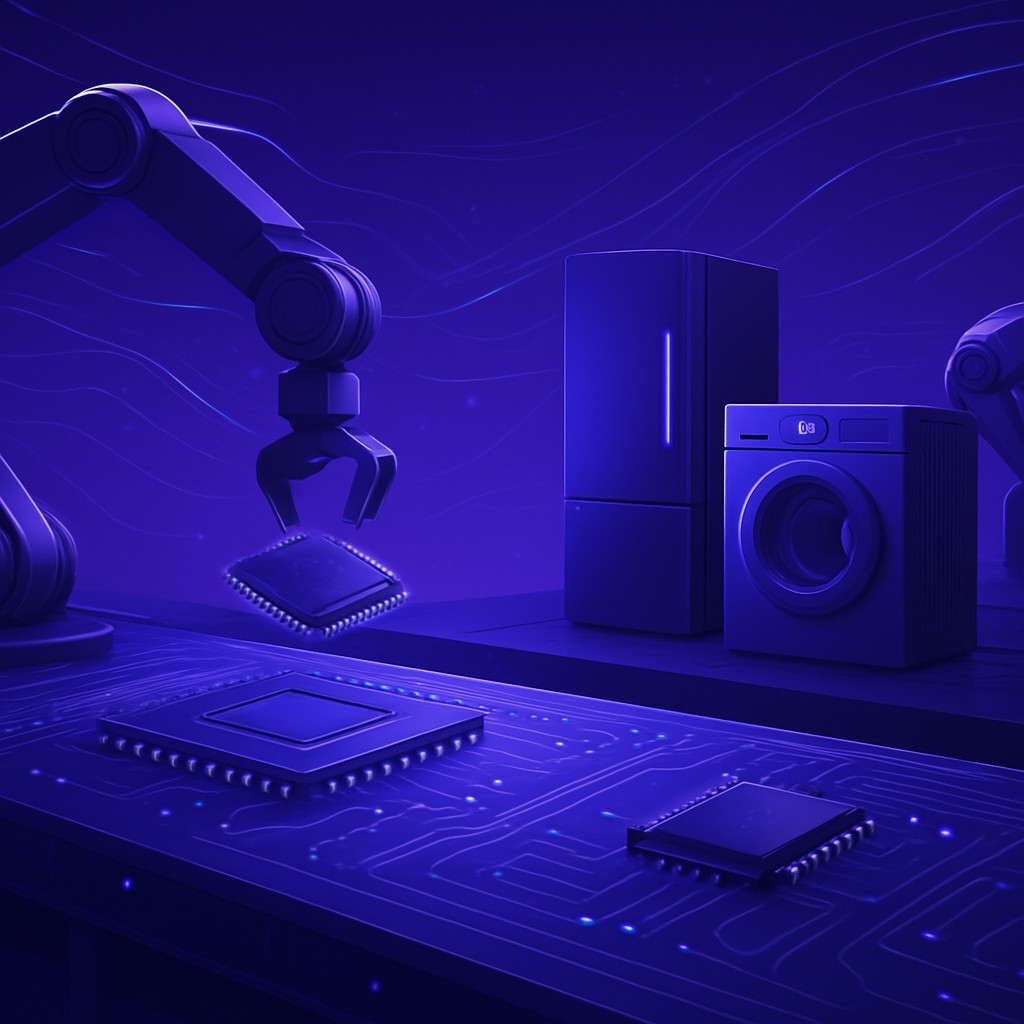
While Ecuador is not traditionally known as a global electronics hub, the country has developed a meaningful electronics manufacturing and assembly sector that serves domestic demand and contributes to regional supply chains. From home appliances to consumer electronics and electrical equipment, local manufacturers play an important role in providing affordable, quality products to Ecuadorian consumers and businesses.
The sector encompasses a range of activities, including the assembly of televisions and household appliances, the production of electrical components, and the manufacture of specialized equipment. As technology becomes increasingly central to daily life and industry, the importance of these manufacturers continues to grow.
The Landscape of Electronics Manufacturing
Ecuador's electronics manufacturers operate across several segments. Some focus on assembling consumer electronics such as televisions, audio equipment, and small appliances, often in partnership with international brands. Others produce electrical equipment, lighting, cables, and components used in construction and industry. This diversity reflects the broad scope of the sector.
Among the notable companies is Induglob, a major manufacturer of home appliances under the well-known Indurama brand. Indurama produces refrigerators, stoves, and other household appliances that are widely used across Ecuador and exported throughout the region. The company's scale and reputation make it a cornerstone of the domestic appliance industry.
Key Players and Their Contributions
Electrocables and similar manufacturers specialize in the production of electrical cables and conductors essential to construction, infrastructure, and industry. These companies supply critical components that support the broader economy. Incable is another important producer in this category, providing wiring and cable solutions.
In the lighting and electrical components space, firms such as Sylvania Ecuador and other established producers contribute to the supply of lighting products and fixtures. Companies engaged in the assembly of consumer electronics often collaborate with global brands to provide televisions and appliances tailored to local market preferences.
Additionally, numerous small and medium enterprises produce specialized electronic devices, control systems, and industrial equipment. These firms support sectors ranging from agriculture to manufacturing, offering customized solutions that meet specific local needs. Together, this network of manufacturers forms a versatile and evolving industry.
Trends Shaping the Sector
Several trends are influencing the development of electronics manufacturing in Ecuador. The growing demand for energy-efficient appliances is encouraging manufacturers to adopt modern designs and technologies. Consumers are increasingly seeking products that reduce energy consumption, prompting companies to innovate in areas such as refrigeration and lighting.
Automation and improved production techniques are also enhancing efficiency and quality. As manufacturers invest in better equipment and processes, they are able to produce more reliable products at competitive prices. The integration of digital technologies and smart features into appliances and devices represents another emerging direction for the industry.
Economic Importance and Employment
The electronics manufacturing sector contributes to Ecuador's economy by creating jobs, supporting local supply chains, and reducing dependence on imported goods. By assembling and producing electronics domestically, these companies help retain economic value within the country and provide employment opportunities in skilled and semi-skilled roles.
The sector also supports related industries, including logistics, retail, and component suppliers. Its growth contributes to industrial diversification, helping Ecuador build a more balanced and resilient economy. The presence of capable local manufacturers strengthens the country's ability to meet its own technological needs.
Challenges Facing Manufacturers
Electronics manufacturers in Ecuador contend with competition from imported products, particularly those from large-scale producers in other countries that benefit from economies of scale. Access to raw materials and components, which are often imported, can affect costs and production timelines. Keeping pace with rapid technological change requires ongoing investment.
Despite these challenges, opportunities exist for manufacturers that focus on quality, energy efficiency, and products tailored to local conditions. Building strong brands and reliable distribution networks helps domestic companies compete effectively. Strategic partnerships with international firms can also provide access to technology and expertise.
Looking Ahead
The future of electronics manufacturing in Ecuador depends on continued investment in technology, skills, and innovation. As demand for appliances and electronic products grows alongside economic development, manufacturers have the opportunity to expand their offerings and improve competitiveness. Embracing energy efficiency and modern production methods will be central to success.
Conclusion
Ecuador's electronics manufacturers, led by appliance producers like Induglob and cable manufacturers such as Electrocables, form an important and growing sector of the economy. By providing quality products that meet local needs and supporting domestic supply chains, these companies contribute to industrial development and employment. As the industry continues to modernize and innovate, it is well positioned to strengthen its role in Ecuador's economic future.