
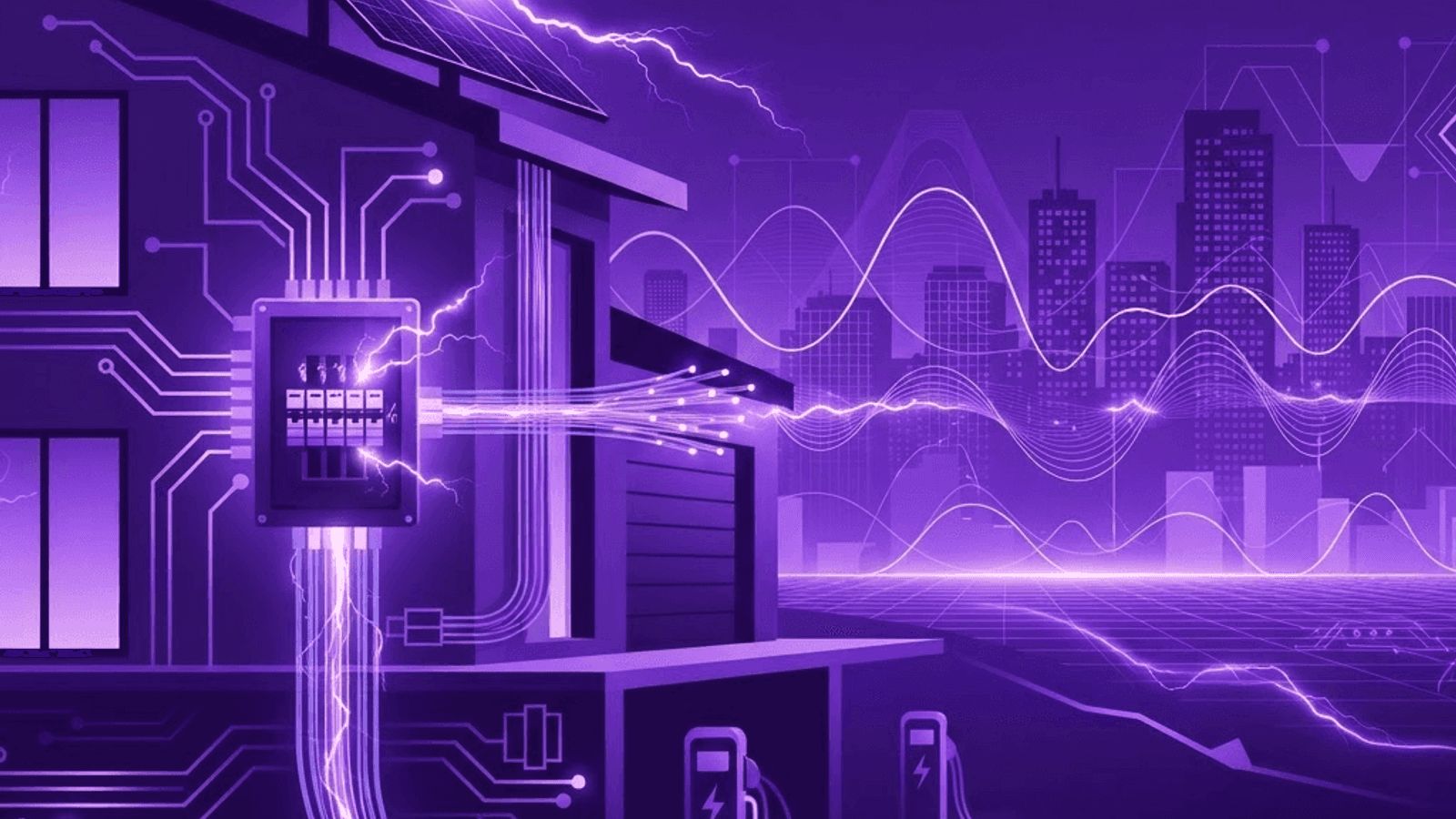
Electrical Demand Is Rising Faster Than Panels Were Designed For
A large share of Modesto's housing stock was wired for a very different era of electricity use. Homes built in the 1950s and 1960s commonly received sixty or one hundred amp service, sized for lighting, a refrigerator, and perhaps a window air conditioner. Today the same house may run central air conditioning, an electric range, a heat pump water heater, multiple televisions and computers, and a vehicle charger. The gap between original design capacity and present demand is the single most common electrical issue local contractors encounter.
Central Valley heat compounds the problem. Air conditioning represents the largest single electrical load in most Modesto homes, and it runs hardest precisely when the grid and the home's own wiring are most stressed. Undersized service, overloaded circuits, and aged panels with obsolete breakers all reveal themselves during the first sustained heat wave of the summer. Choosing a competent electrical contractor is therefore less about repairs and more about planning capacity for the next twenty years.
Ten Electrical Contractors Trusted in Modesto
Valley Power Electric is frequently recommended for service upgrades. The company handles load calculations, panel replacement, meter coordination, and grounding system corrections, and it is noted for explaining why a particular service size is being recommended rather than defaulting to the largest option available.
Modesto Residential Electric covers the broad middle of the market, including outlet and switch replacement, ceiling fan installation, recessed lighting, and troubleshooting of intermittent faults. Its technicians are known for methodical diagnosis, which matters because intermittent electrical problems are among the hardest to isolate.
Central Valley Solar and Electric integrates photovoltaic systems with home electrical infrastructure. Rather than treating solar as a separate trade, the company evaluates panel capacity, interconnection method, and battery readiness together. Given California's net metering changes, its emphasis on load shifting and storage sizing has become increasingly relevant.
Stanislaus EV Charging Solutions specializes in vehicle charger installation. Work includes dedicated circuit installation, load management devices that allow charging without a full service upgrade, and conduit routing for detached garages. The company's familiarity with permitting and inspection requirements shortens project timelines noticeably.
Orchard City Lighting Design approaches electrical work through illumination quality. Layered lighting plans, color temperature consistency, dimming compatibility, and landscape lighting are core services. Homeowners undertaking remodels often engage the firm alongside a designer to avoid the flat, uneven lighting that plagues many renovations.
Riverbank Electrical Services serves rural properties and small farms in the surrounding area. Well pump circuits, irrigation controls, barn and shop subpanels, and long underground feeder runs require different expertise than tract housing, and the company has built its reputation on that niche.
Golden State Panel Upgrades focuses narrowly on distribution equipment. Replacement of obsolete panels, correction of double-tapped breakers, installation of whole-home surge protection, and arc fault and ground fault protection upgrades make up its practice. For homes with panels known to have safety concerns, this specialization is valuable.
McHenry Commercial Electric works with retail, office, and light industrial clients. Tenant improvements, three-phase equipment connections, emergency lighting, exit signage, and code compliance corrections are routine, and the company coordinates with building inspectors as a matter of standard process.
Almond Valley Smart Home combines electrical licensing with low-voltage and automation expertise. Structured wiring, networking, smart switch integration, and whole-home audio are handled alongside conventional electrical work, which prevents the common problem of automation systems installed without adequate electrical foundation.
Ninth Street Emergency Electric completes the list with after-hours availability. Partial power loss, burning odors at outlets, tripped main breakers, and storm-related damage require prompt attention, and the company maintains on-call response with technicians equipped for temporary safe isolation followed by permanent repair.
Trends Reshaping Residential Electrical Work
Electrification is the dominant theme. As California policy encourages heat pumps for space and water heating and as vehicle adoption grows, homes are converting gas loads to electric. Each conversion adds demand, and the cumulative effect frequently exceeds existing service capacity. Skilled contractors now perform formal load calculations and often recommend load management devices, which allow high-draw appliances to share capacity intelligently rather than requiring a costly service upgrade.
Energy storage is the second trend. Batteries paired with solar provide backup during outages and allow homeowners to avoid peak-period utility rates. Proper installation requires attention to placement, ventilation, transfer equipment, and critical load subpanel design, all of which are electrical decisions rather than solar sales decisions.
Safety technology is the third. Arc fault circuit interrupters, ground fault protection in expanded locations, and tamper-resistant receptacles are now required in many circumstances by the California Electrical Code. Contractors who stay current with code cycles deliver installations that pass inspection the first time.
How to Select an Electrical Contractor
Confirm an active California C-10 electrical contractor license and verify liability and workers' compensation coverage. Ask whether the company pulls permits for panel work, service upgrades, and vehicle charger installations, because unpermitted electrical work can complicate insurance claims and future property sales.
For capacity questions, ask for the load calculation rather than a verbal opinion. A written calculation shows existing demand, proposed additions, and headroom, and it gives you a rational basis for deciding between an upgrade and a load management solution. Request a scope that specifies panel and breaker brands, conductor sizing, conduit type, and restoration of any drywall or stucco disturbed during the work.
Finally, weigh communication quality. Electrical work is largely concealed once complete, so trust matters more than in trades where results are visible. A contractor who documents findings with photographs, explains code requirements plainly, and provides labeled panel directories at completion is demonstrating the professionalism that will still be evident years later.