
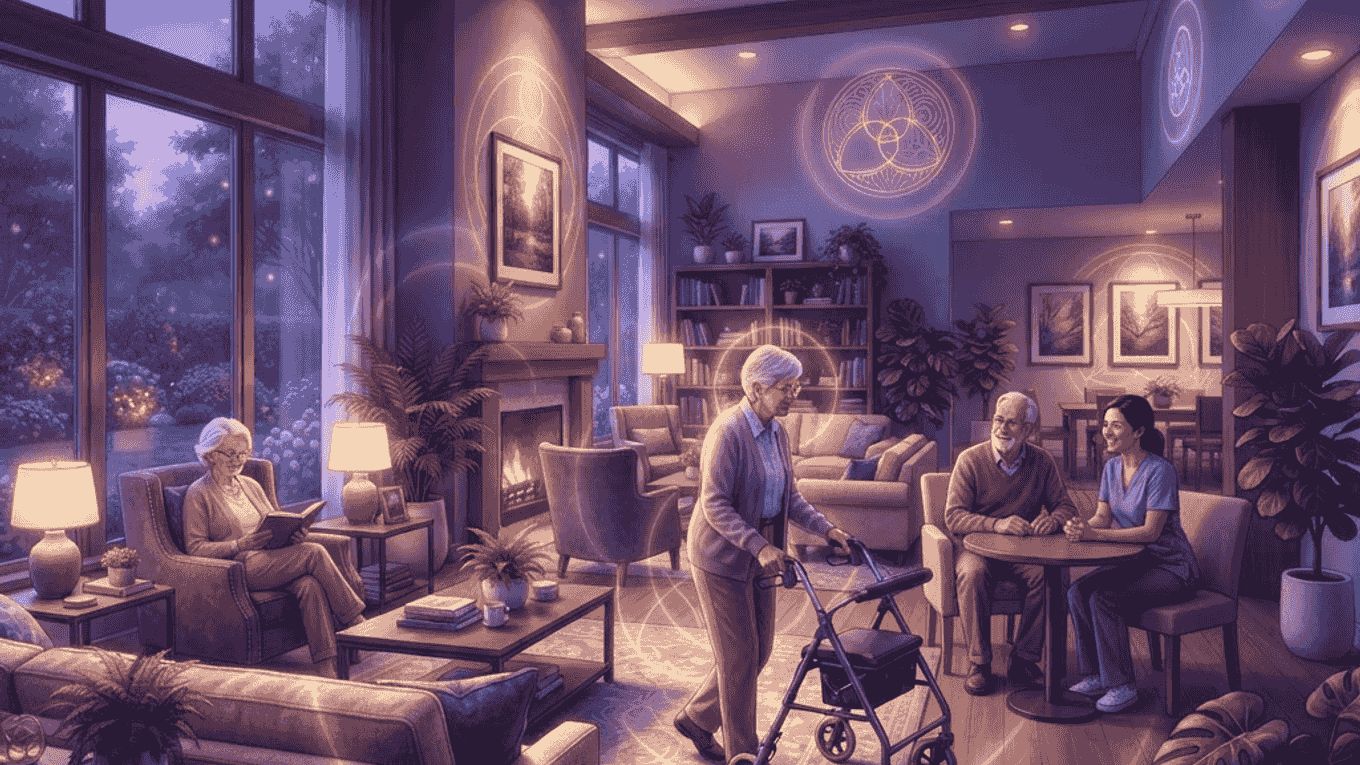
Understanding Levels of Senior Care
Choosing senior care begins with correctly identifying the level of support needed, because the categories differ substantially in services, staffing, regulation, and cost. Independent living provides housing, dining, and social programming for older adults who manage personal care themselves. Assisted living adds help with activities of daily living such as bathing, dressing, and medication management, with staff available around the clock.
Memory care is a specialized form of assisted living designed for dementia, featuring secured environments, structured routines, and staff trained in dementia-specific communication. Skilled nursing facilities provide licensed nursing care for medically complex residents, including those requiring wound care, intravenous therapy, or extensive rehabilitation. Continuing care retirement communities combine several levels on one campus, allowing residents to transition as needs change without relocating away from an established community.
How to Evaluate Quality
Skilled nursing facilities are federally rated using measures covering health inspections, staffing levels, and quality indicators, and these ratings are publicly available. Staffing is the single most informative measure, particularly registered nurse hours per resident day and staff turnover rate. High turnover predicts inconsistent care regardless of facility appearance.
Assisted living is regulated at the state level with less standardized public reporting, which makes direct observation more important. Visit unannounced during a mealtime and again in the evening, when staffing is typically thinnest. Notice whether residents are engaged or parked in front of televisions, whether call lights are answered promptly, whether staff address residents by name, and whether the building smells clean without heavy masking. Ask what the caregiver-to-resident ratio is on each shift and what happens when someone calls in sick.
The Leading Senior Care Providers in Lexington
Bluegrass Continuing Care Community operates a full-continuum campus offering independent living, assisted living, memory care, and skilled nursing, allowing residents to remain within one community as needs evolve. Long-tenured staff and structured resident council governance are notable. Wellness programming is genuinely active rather than nominal.
Thoroughbred Assisted Living focuses on assisted living with an emphasis on personalized care planning and consistent caregiver assignment, so residents see familiar faces. Medication management protocols are rigorous. Apartment layouts accommodate mobility equipment comfortably.
Keeneland Manor Memory Care specializes in dementia care with secured outdoor courtyards, small household groupings, and staff trained in validation-based communication approaches. Environmental design reduces agitation by limiting confusing layouts and overstimulation. Family support groups meet regularly.
Fayette Skilled Nursing and Rehabilitation provides post-acute rehabilitation and long-term skilled nursing, with therapy services available seven days weekly for short-stay residents recovering from surgery or hospitalization. Coordination with regional hospitals streamlines admission. Nursing staffing levels exceed state minimums.
Limestone Independent Living Residences serves active older adults with maintenance-free apartments, dining options, transportation, and extensive social programming without personal care services. Residents value the autonomy alongside built-in community. Home care can be arranged privately for those developing needs.
Cornerstone Personal Care Home operates at a smaller scale, offering a residential setting with fewer residents and correspondingly higher familiarity between staff and residents. Small homes suit people who find large communities overwhelming. Home-cooked meal service is a distinguishing feature.
Bluegrass Respite and Adult Day Center provides daytime supervision, activities, and personal care, allowing family caregivers to work or rest while their relative remains at home overnight. Adult day services meaningfully delay institutional placement. Transportation is provided within the county.
Ridgeline Rehabilitation and Nursing Center concentrates on short-term rehabilitation following joint replacement, stroke, or hospitalization, with a dedicated therapy gym and defined discharge planning. Length of stay and functional outcome data are tracked and shared. Home safety evaluation precedes discharge.
Summit Senior Living at Hamburg combines assisted living and memory care in a newer purpose-built facility with private apartments and secured memory neighborhoods. Technology including fall detection and electronic care documentation supports staff responsiveness. Dining is restaurant-style with flexible hours.
Bluegrass Home Care Services completes the list as an alternative to residential placement, providing in-home personal care, companionship, and nursing oversight. For many families, home care with structured hours delays or replaces facility care entirely. Care plans are supervised by registered nurses.
Trends in Senior Care
Household models that organize facilities into small groups with dedicated staff and their own kitchens continue to replace institutional corridor layouts, and evidence supports better resident engagement in these designs. Aging in place has expanded through home care, remote monitoring, and community support services, shifting demand away from early institutional placement.
Workforce shortages remain the defining challenge in this sector, affecting every facility regardless of price point. Families should ask directly about turnover and agency staffing use. Meanwhile, dementia care practice has moved decisively toward non-pharmacological approaches, using environment, routine, and engagement rather than sedating medication to manage behavioral symptoms.
Planning for Cost
Costs vary widely by level of care, with independent living generally lowest, assisted living substantially higher, memory care above that, and skilled nursing the most expensive. Medicare covers skilled nursing only for limited post-hospital rehabilitation periods, not long-term custodial care. Medicaid covers long-term nursing care for those meeting financial and functional criteria, and Kentucky operates waiver programs supporting home and community-based alternatives.
Long-term care insurance, veterans benefits including aid and attendance, and life insurance conversion options can offset costs. Request a complete written schedule of base rates and care level surcharges, and ask how frequently rates have increased over recent years. Involve the prospective resident in decisions wherever cognition allows, and tour at least three communities before committing, since the differences become obvious only in comparison.