
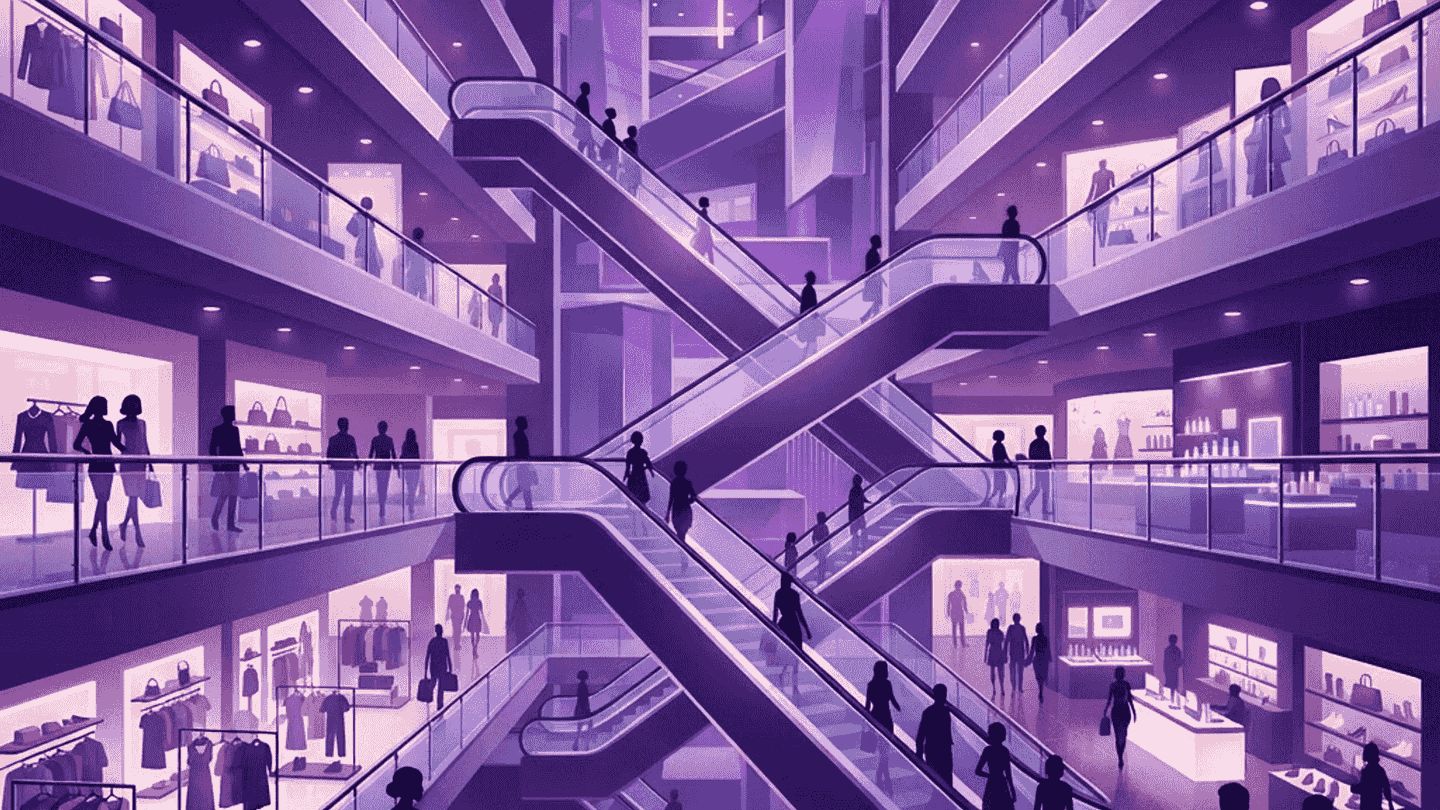
Department Store Retail in Newark
Newark has a genuine department store history. Broad Street and Market Street once housed grand multi-floor emporiums that served the entire region, and while that era has passed, the underlying conditions that supported it remain: dense population, excellent transit access, a large daytime workforce and a diverse customer base with varied needs and budgets.
Contemporary department store retail in the city takes several forms. National anchors provide breadth across apparel, home, beauty and accessories. Off-price chains offer branded merchandise at reduced prices for shoppers willing to hunt. Locally operated multi-department stores serve specific communities with tailored assortments. Discount general merchandise stores cover household essentials efficiently. Understanding what each format does well is the key to shopping the market intelligently.
Ten Department Stores and Retail Anchors
1. Broad Street Department Store operates as a traditional multi-department anchor covering apparel, footwear, home goods, beauty and accessories, with alteration and personal shopping services.
2. Ironbound Family Emporium serves the neighborhood with a broad assortment tuned to community preferences, including apparel, housewares and seasonal merchandise at accessible pricing.
3. Gateway Off-Price Outlet follows the treasure-hunt model, offering branded apparel, home and accessories at reduced prices with rapidly changing inventory.
4. Halsey Street Fashion House focuses on apparel and accessories across contemporary and workwear categories, with fitting rooms and staff assistance uncommon in discount formats.
5. Newark Home and Living Center concentrates on home departments including bedding, kitchen, bath, storage and small appliances, useful for outfitting a residence in one trip.
6. Portside General Merchandise covers household essentials, cleaning supplies, paper goods, basic apparel and seasonal items at everyday low pricing.
7. Weequahic Beauty and Wellness Floor operates as a dedicated beauty destination with cosmetics, skincare, fragrance and haircare across price tiers, with testers and consultation.
8. Brick City Youth and Kids Store specializes in children's apparel, school uniforms, footwear and gear, with sizing assistance and back-to-school programs.
9. Passaic Bridal and Formalwear Floor handles occasion wear including suiting, dresses and accessories, supported by in-house alterations.
10. Newark Marketplace Collective completes the list as a multi-vendor retail floor where independent sellers occupy departments under one roof, blending department store convenience with local variety.
Trends in Department Store Retail
Experience and service have become the primary defense against online competition. Alterations, personal styling, beauty consultation, fitting expertise and immediate availability are things a website cannot replicate, and the stores investing in them retain customers who could otherwise buy anywhere.
Omnichannel integration is now expected rather than impressive. Reserving online for in-store pickup, checking local inventory before traveling, and returning online purchases at a physical counter all reduce friction significantly, particularly for transit-dependent shoppers who value a single reliable trip.
Assortment localization has grown more sophisticated, with buyers adjusting sizes, styles and product mix to reflect actual neighborhood demand rather than national averages. Meanwhile, off-price and resale formats continue expanding, and several traditional retailers have added secondhand or clearance sections to capture value-focused shoppers.
How to Shop Department Stores Effectively
Match the store format to the purchase. Off-price is excellent for opportunistic finds in basics and home goods but unreliable for a specific item in a specific size on a deadline. Traditional anchors are better when fit, service or a guaranteed item matters, and worth the premium in those cases.
Understand markdown rhythms. Most department stores follow predictable seasonal clearance patterns, and knowing when a category typically reduces allows substantial savings on items that are not urgent. Conversely, buying occasion wear at the last minute forfeits both price advantage and alteration time.
Verify return policies before purchasing, particularly at off-price and clearance formats where terms are often shorter and final-sale designations more common. For anything requiring fit, use alteration services rather than accepting approximate sizing, since alterations frequently cost less than the difference between fitting well and not.
Making the Most of Local Retail
The practical advantage of Newark's retail density is the ability to compare formats within a short distance. A shopper can check an anchor store for fit and service, an off-price outlet for value, and a specialty floor for depth in a single outing, which is difficult in more dispersed markets.
Approaching that market with a plan, knowing which items justify service and which are fine bought opportunistically, produces consistently better results than either loyalty to one store or reflexive bargain hunting. The retailers profiled here each serve a distinct role, and using them for what they do best is the surest route to value.
Loyalty programs and store credit deserve a clear-eyed assessment. Points, cardholder discounts and early access to sales can produce real savings for shoppers who buy from a store regularly anyway, but store cards frequently carry high interest that erases any benefit if a balance carries over. Reading the terms and treating the discount as a reward for existing habits, rather than a reason to buy more, keeps the arithmetic favorable. Shopping mid-week and earlier in the day also improves the experience meaningfully, with shorter fitting room waits and more attentive staff. For transit-dependent shoppers especially, checking inventory availability in advance and consolidating errands into fewer, better-planned trips turns Newark's dense retail landscape from an overwhelming choice into a genuine advantage.