
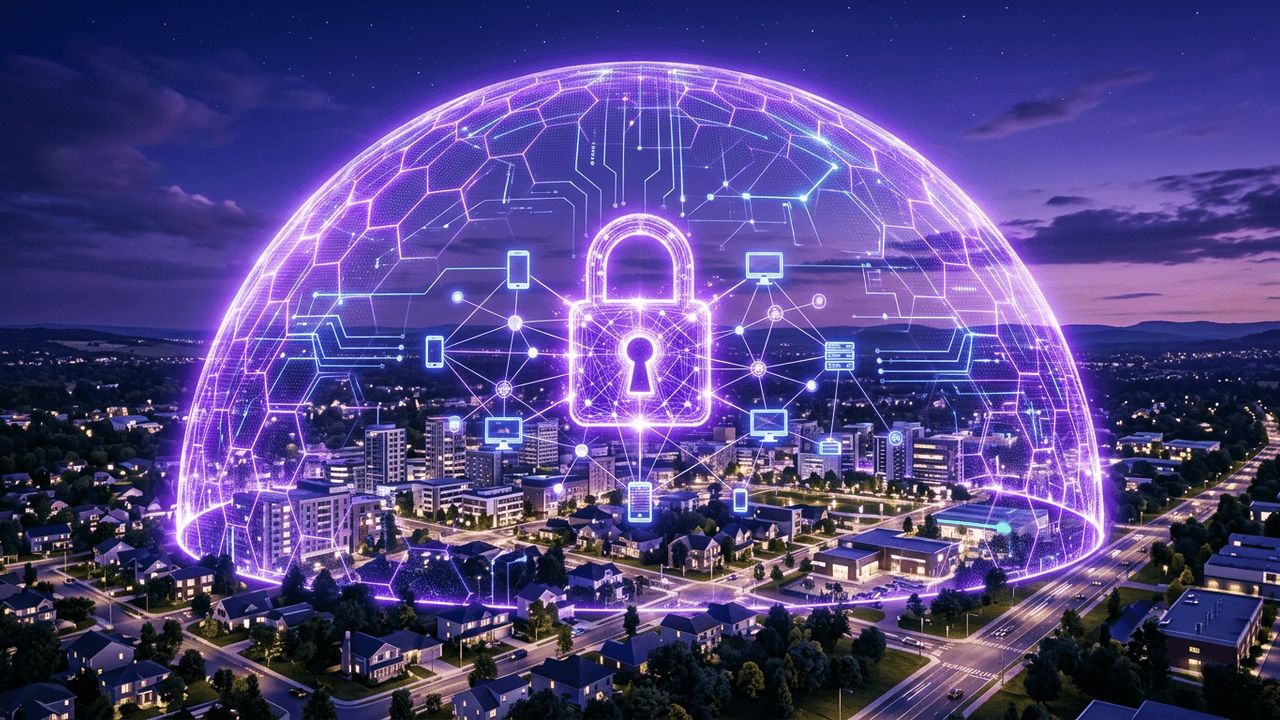
Why Cybersecurity Is a Local Concern
Many small business owners in Lee's Summit assume cybercriminals focus only on large corporations. Unfortunately, the opposite is often true. Attackers frequently target small and mid-sized organizations because they tend to have fewer security resources. Medical offices, law firms, accounting practices, schools, municipalities, and manufacturers throughout the Kansas City region have all faced ransomware, phishing, and data theft attempts.
A single breach can lead to downtime, financial loss, regulatory penalties, and damaged reputation. Investing in strong cybersecurity protects not only the business but also the customers, patients, and families who trust it with their information.
How We Chose These Companies
We evaluated cybersecurity companies on threat detection capabilities, industry recognition, ease of deployment, support for organizations of different sizes, and the strength of their research teams. Each company on this list provides solutions used by organizations across the Kansas City area, either directly or through local IT partners.
The Top 10 Cybersecurity Companies
1. CrowdStrike
CrowdStrike is a leader in endpoint protection, using cloud-based AI to detect and stop threats on laptops, servers, and cloud workloads. Its Falcon platform and threat intelligence are trusted by organizations ranging from small businesses to major enterprises.
2. Palo Alto Networks
Palo Alto Networks offers next-generation firewalls, cloud security, and security operations platforms. Its integrated approach helps organizations protect networks, cloud environments, and remote workers from a single ecosystem.
3. Fortinet
Fortinet is known for its FortiGate firewalls and secure networking solutions. Its strong price-to-performance ratio makes it popular with schools, municipalities, and mid-sized businesses that need reliable network protection.
4. Microsoft Security
Microsoft provides security tools such as Defender, Entra ID, and Sentinel. For Lee's Summit organizations already using Microsoft 365, these built-in tools offer a cost-effective way to strengthen email, identity, and device security.
5. Cisco
Cisco delivers networking security, secure access, and threat intelligence through its Talos research group. Following its acquisition of Splunk, Cisco also offers advanced security analytics for organizations that need deep visibility.
6. Proofpoint
Proofpoint specializes in email security, protecting organizations from phishing, business email compromise, and malicious attachments. Since email remains the most common entry point for attacks, Proofpoint is a valuable layer of defense.
7. KnowBe4
KnowBe4 focuses on the human side of security through security awareness training and simulated phishing campaigns. Lee's Summit businesses use it to teach employees how to recognize suspicious emails and avoid costly mistakes.
8. Arctic Wolf
Arctic Wolf provides managed detection and response, offering around-the-clock security monitoring by expert teams. It is an excellent option for organizations that lack in-house security staff but need continuous protection.
9. Mandiant
Mandiant, part of Google Cloud, is renowned for incident response and threat intelligence. When organizations suffer serious breaches, Mandiant experts help investigate, contain, and recover from attacks.
10. Okta
Okta is a leader in identity and access management, helping businesses securely manage employee logins across applications. Single sign-on and multi-factor authentication reduce the risk of stolen passwords leading to breaches.
Cybersecurity Trends in 2026
Attackers increasingly use AI to craft convincing phishing messages and automate attacks, while defenders use AI to detect unusual behavior faster. Identity has become the new security perimeter, making strong authentication critical. Ransomware groups continue to target healthcare and education, which are important sectors in Lee's Summit. Cyber insurance providers now require specific controls such as multi-factor authentication and tested backups before issuing policies.
Practical Steps for Lee's Summit Businesses
Start with the basics. Enable multi-factor authentication on all accounts, especially email and banking. Keep software and devices updated. Back up important data regularly and test your ability to restore it. Train employees to recognize phishing attempts. Limit administrative access to only those who need it. Finally, create an incident response plan so your team knows what to do if something goes wrong.
Working With Local IT and Security Partners
Many organizations in Lee's Summit access these cybersecurity tools through managed service providers that deploy, monitor, and manage them. A local partner can assess your risks, recommend the right combination of solutions, and help you meet industry compliance requirements, such as healthcare privacy rules or payment card security standards.
Frequently Asked Questions
What is the most important security step for a small business?
Enabling multi-factor authentication on email, banking, and cloud accounts provides one of the greatest security improvements for the least effort. It blocks the majority of attacks that rely on stolen passwords.
Do small businesses really need cyber insurance?
Cyber insurance can help cover the costs of investigations, recovery, legal obligations, and business interruption after an incident. Many insurers now require specific security controls, so improving defenses can also lower premiums.
How often should employees receive security training?
Short, regular training sessions throughout the year are more effective than a single annual course. Simulated phishing tests help reinforce lessons and identify where additional coaching is needed.
What should I do if I suspect a breach?
Disconnect affected devices from the network, avoid deleting evidence, and contact your IT provider or incident response partner immediately. Notify your insurer and follow any legal reporting requirements that apply to your industry.
Conclusion
Cybersecurity is no longer optional for any organization in Lee's Summit. By combining proven solutions from companies like CrowdStrike, Palo Alto Networks, Microsoft, and KnowBe4 with good habits and expert guidance, local businesses can significantly reduce their risk and protect the trust of their communities.