
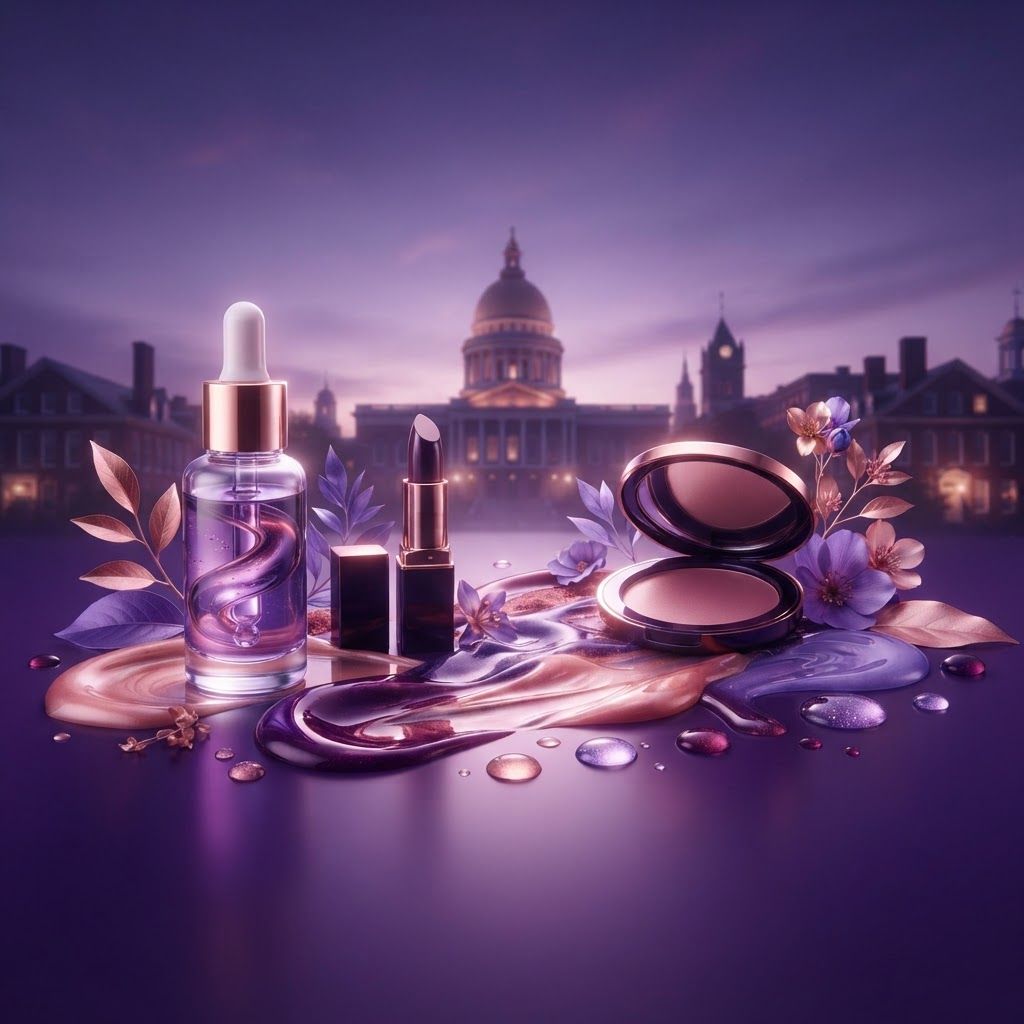
A Small City With Serious Beauty Talent
Cosmetics might not be the first industry associated with Providence, but the city has quietly developed a credible beauty manufacturing and formulation community. Part of this traces to New England's chemistry and materials expertise, part to a design culture that produces strong packaging and brand identity, and part to a consumer base willing to support independent labels.
The result is a market where small brands can actually develop, test, and produce locally. Several Providence cosmetics companies formulate in small batches, allowing them to iterate on textures and pigments in ways large corporations cannot justify.
How to Evaluate a Cosmetics Brand
Ingredient transparency comes first. Full INCI listings, disclosed concentrations for active ingredients, and clear allergen information distinguish serious brands from those relying on vague marketing language. Testing practices matter too, including stability testing, microbial testing, and patch testing protocols.
Shade range is a meaningful indicator of who a brand considers its customer. A foundation line that covers deep and light complexions with appropriate undertone variation reflects genuine investment. Packaging performance is often overlooked but important, since air and light degrade many actives. Finally, evaluate claims honestly. Responsible brands describe what a product does rather than implying medical outcomes.
The Top 10 Cosmetics Brands in Providence
1. Benefit Street Beauty Lab. A skincare-forward brand focused on well-formulated serums with disclosed active concentrations. Their approach emphasizes short ingredient lists and gradual routine building rather than selling large regimens at once.
2. Foundry Cosmetics Co. Known for complexion products with an unusually broad shade range, including neutral, olive, and warm undertones across depths. Their matching guidance is practical and avoids the guesswork common in online buying.
3. Narragansett Naturals. A clean beauty brand working with plant-derived ingredients and minimal synthetic preservatives, balanced by rigorous stability testing. They are transparent that natural does not automatically mean gentler, which builds credibility.
4. Eastside Color Studio. A color cosmetics label specializing in pigment-dense eyeshadows, liners, and lip products. Their formulations prioritize blendability and wear time, and they release limited palettes rather than constant new launches.
5. Pawtuxet Skin Science. A clinically oriented skincare brand offering retinoids, exfoliating acids, and barrier repair products with clear usage instructions. They provide honest guidance on irritation and ramp-up schedules, which reduces misuse.
6. Harborline Sun Care. Specializing in sunscreens formulated for daily wear, including mineral options that avoid heavy white cast. Given coastal sun exposure, their focus on cosmetically elegant protection addresses a real local need.
7. College Hill Apothecary. A small-batch brand producing balms, oils, and simple cleansers with a minimalist philosophy. Their products appeal to customers with reactive skin who prefer fewer ingredients and unscented formulations.
8. Mill District Fragrance House. An independent perfumer creating eau de parfum and solid fragrances in limited runs. They disclose concentration and note structure clearly, and they offer sample sets rather than expecting blind purchases.
9. Federal Hill Beauty Collective. A multi-line brand covering makeup and haircare essentials at accessible price points. Their strength is consistency and availability, making them a practical everyday choice.
10. Blackstone Mineral Cosmetics. Focused on mineral-based powders, blushes, and finishing products with minimal binders. Their formulations suit customers with sensitive or acne-prone skin who react to heavier emollient bases.
Trends in the Cosmetics Industry
Skin-first beauty continues to dominate, with hybrid products such as tinted sunscreens and serum foundations blurring the line between skincare and makeup. Ingredient literacy among consumers has risen sharply, pushing brands toward clearer labeling and away from unverifiable claims.
Refillable and reduced packaging has moved from novelty to expectation, particularly among independent brands with the flexibility to redesign. Shade inclusivity is now a baseline requirement rather than a differentiator, and brands launching narrow ranges face immediate criticism.
There is also a noticeable shift toward fewer, better products. Consumers are consolidating routines, which favors multi-use formulations and brands willing to advise against unnecessary purchases.
Buying Cosmetics Wisely
Patch test new actives, especially retinoids and acids, and introduce one product at a time so you can identify reactions. Pay attention to expiration and period-after-opening indicators, particularly for sunscreens and products containing vitamin C.
Request samples before committing to foundation or fragrance, since both perform differently on individual skin chemistry. Store products away from heat and direct light, which matters in bathrooms with sunny windows. And be skeptical of any product promising dramatic structural change to skin, because meaningful results come from consistent use of proven ingredients over months.
Providence's independent beauty brands compete on formulation rather than advertising budgets. For consumers, that usually means better ingredient value and more honest conversations about what products can actually deliver.
Building a Routine That Fits New England Weather
Climate has a larger effect on skincare results than most product marketing acknowledges. Providence summers are humid, which means lighter gel textures and non-comedogenic sunscreens generally perform better. Winters bring dry indoor heating that strips the skin barrier, making richer occlusive moisturizers and reduced exfoliation frequency far more appropriate.
A practical approach is to keep a stable core of cleanser, moisturizer, and sunscreen while adjusting texture seasonally rather than replacing entire routines. Actives such as retinoids often require reduced frequency in winter, and many people who believe they cannot tolerate them simply began during the wrong season.
Local brands tend to understand this because their customers experience it. Asking a formulator directly how a product behaves in January versus July will usually produce more useful guidance than any label claim.