
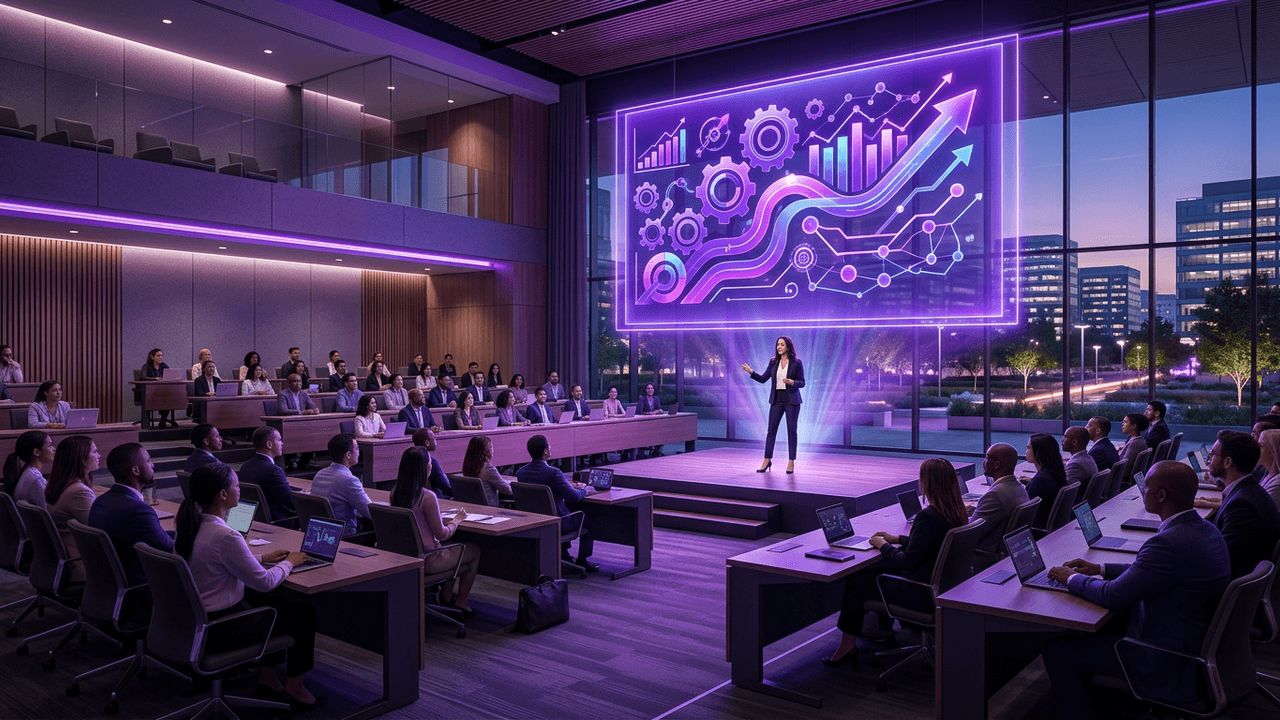
Why Corporate Training Matters in Santa Clara
Technology evolves quickly in Santa Clara, and so do the skills employees need to succeed. Engineers must learn new programming frameworks and AI tools, managers must lead hybrid teams effectively, and executives must guide organizations through constant change. Companies that invest in training see stronger performance, higher engagement, and better retention, which is critical in a competitive talent market.
Corporate training companies provide structured programs in leadership, communication, technical skills, and professional development. Below are ten of the most respected training providers serving Santa Clara organizations.
The Top 10 Corporate Training Companies Serving Santa Clara
1. Dale Carnegie
Dale Carnegie is one of the oldest names in professional development, offering training in communication, leadership, presentation skills, and customer service. Its programs focus on building confidence and interpersonal effectiveness, which are valuable for technical professionals stepping into leadership roles.
2. FranklinCovey
FranklinCovey is known for programs based on The 7 Habits of Highly Effective People and for training in leadership, execution, and productivity. Its All Access Pass gives organizations flexible access to a library of content delivered live, virtually, or on demand.
3. Center for Creative Leadership
The Center for Creative Leadership is a nonprofit leadership development organization with decades of research behind its programs. It offers executive education, leadership assessments, and custom programs designed to build leadership capacity at every level.
4. BTS
BTS specializes in business simulations and experiential learning. Its programs help leaders practice strategic decision-making in realistic scenarios, making it a strong choice for companies implementing new strategies or transformation initiatives.
5. DDI
DDI, Development Dimensions International, focuses on leadership assessment and development. Its programs help organizations identify high-potential leaders, build frontline manager skills, and create leadership pipelines.
6. Crucial Learning
Crucial Learning, formerly VitalSmarts, offers well-known courses such as Crucial Conversations. Its training helps employees communicate effectively during high-stakes discussions, improving collaboration, accountability, and workplace culture.
7. General Assembly
General Assembly provides training in technology skills such as software engineering, data science, user experience design, and AI. Its corporate programs help companies reskill employees and build talent pipelines for in-demand technical roles.
8. Learning Tree International
Learning Tree offers IT and technical training, including cloud computing, cybersecurity, project management, and agile methodologies. Its instructor-led courses and certification preparation programs help technical teams stay current.
9. Skillsoft
Skillsoft provides digital learning content covering technology, leadership, compliance, and business skills. Its platform combines on-demand courses with coaching and certification preparation, offering scalable training for large organizations.
10. Coursera for Business
Coursera for Business gives employees access to courses and professional certificates from leading universities and companies. It is particularly popular for data science, AI, and technology training, allowing organizations to offer high-quality learning at scale.
Types of Corporate Training
Corporate training generally falls into several categories. Leadership development prepares managers and executives to lead teams and drive strategy. Technical training builds skills in software, cloud, data, and cybersecurity. Soft skills training covers communication, collaboration, and emotional intelligence. Compliance training addresses legal and regulatory requirements, including California's mandatory harassment prevention training for employers with five or more employees.
How to Choose a Training Provider
Start by identifying the skills gaps that most affect performance. Look for providers with proven methodologies, measurable outcomes, and flexible delivery options such as in-person workshops, virtual classrooms, and self-paced learning. Ask how the provider measures effectiveness, whether through assessments, behavior change, or business metrics. Customization is important for organizations with unique cultures or specialized needs.
Training Trends in Silicon Valley
AI literacy has become one of the most requested training topics. Companies want employees at every level to understand how to use AI tools effectively and responsibly. Skills-based talent strategies are also growing, with organizations mapping skills and building internal mobility programs. Microlearning, coaching, and personalized learning paths powered by AI are making training more engaging and relevant.
Hybrid work has increased demand for training in remote collaboration, virtual leadership, and inclusive communication, ensuring that distributed teams remain connected and productive.
Building a Learning Culture
Training programs deliver the greatest impact when they are part of a broader learning culture. Leaders should model continuous learning, allocate time for employees to participate, and connect training to career growth opportunities. Peer learning, mentorship programs, and internal knowledge-sharing sessions reinforce formal training. Measuring results through skill assessments, engagement surveys, and performance metrics helps organizations refine their investments and demonstrate the return on training to executives and stakeholders.
Training for Small and Mid-Sized Businesses
Smaller Santa Clara companies can access high-quality training without large budgets through virtual workshops, digital learning subscriptions, and community college partnerships that offer affordable, practical courses for working professionals.
Final Thoughts
In Santa Clara's fast-paced economy, learning never stops. By partnering with the right corporate training provider, organizations can build stronger leaders, more capable teams, and a culture of continuous growth that keeps them competitive for years to come.