
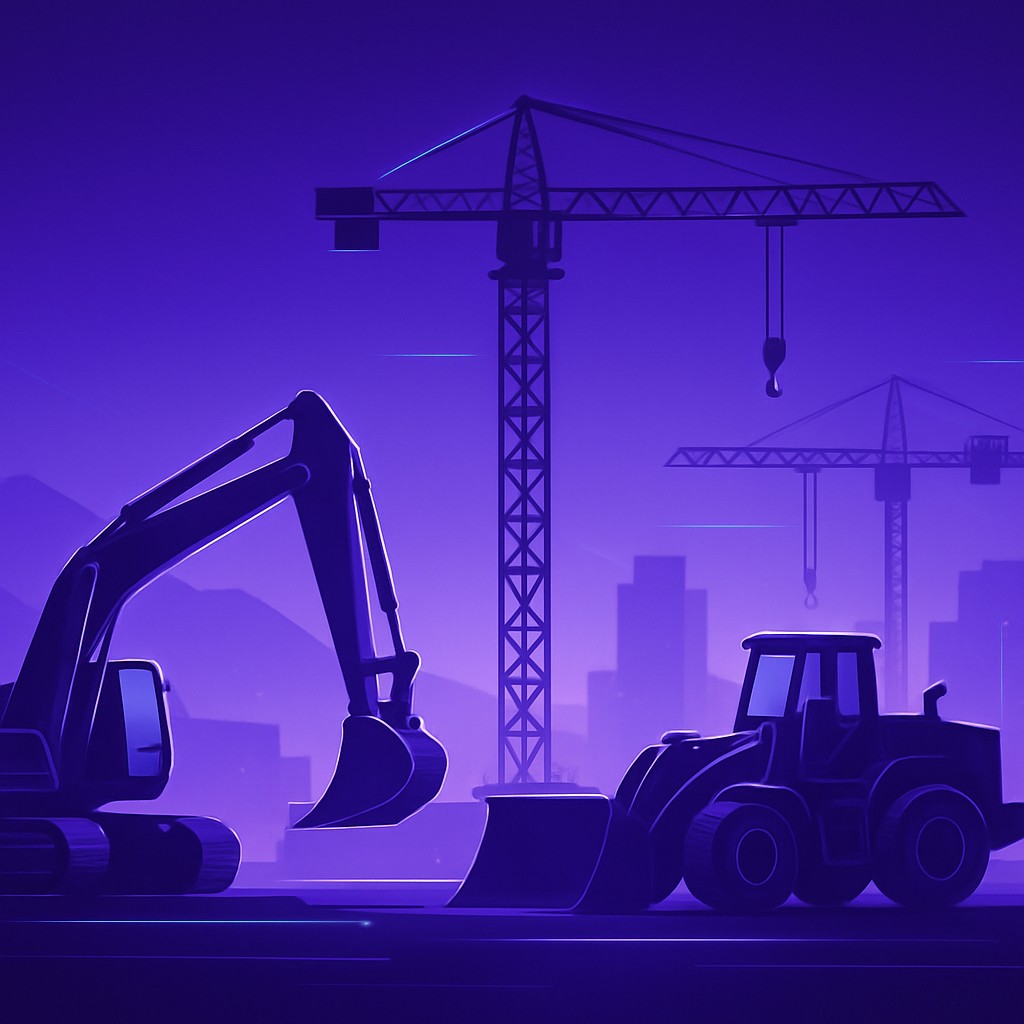
The Growing Demand for Equipment Rentals
Guatemala's construction sector has experienced steady growth, fueled by infrastructure development, commercial expansion, and residential building. As projects become more ambitious, contractors increasingly turn to equipment rental rather than outright purchase. Renting heavy machinery offers a cost-effective alternative that reduces capital expenditure, eliminates maintenance burdens, and provides access to specialized equipment for short-term needs.
For both large construction firms and small contractors, rental services unlock flexibility. Instead of tying up funds in machinery that may sit idle between projects, companies can rent exactly what they need, when they need it. This approach has transformed how building projects are planned and executed across the country.
Benefits of Renting Construction Equipment
Equipment rental delivers several clear advantages. The most obvious is financial: avoiding the substantial upfront cost of purchasing excavators, cranes, loaders, and other heavy machinery. Rental also shifts the responsibility for maintenance, storage, and repairs to the provider, freeing contractors to focus on their core work.
Access to modern, well-maintained equipment is another benefit. Reputable rental companies regularly update their fleets, ensuring clients use machinery that meets current safety and performance standards. This is especially valuable for specialized tasks that require advanced equipment used only occasionally.
Leading Equipment Rental Companies
Maquinaria Pesada Guatemala offers an extensive fleet of excavators, bulldozers, and loaders, serving major infrastructure and commercial projects. Their reputation for well-maintained machinery and reliable delivery has made them a preferred partner for large contractors.
Renta de Equipos Industriales specializes in versatile equipment for medium-sized projects, including compactors, generators, and aerial work platforms. Their flexible rental terms appeal to contractors managing variable workloads.
Alquiler de Maquinaria del Sur focuses on serving the southern and coastal regions, providing earthmoving and material-handling equipment suited to local construction conditions. Their regional presence ensures prompt service and support.
Construrent Guatemala is known for combining equipment rental with technical guidance, helping clients select the right machinery for specific tasks. Their advisory approach reduces downtime and improves project efficiency.
Equipos y Grúas Centroamérica specializes in cranes and lifting equipment for high-rise and industrial projects, supported by experienced operators and strong safety standards.
Key Equipment Categories
The construction rental market covers a wide range of machinery. Earthmoving equipment such as excavators, backhoes, and bulldozers forms the backbone of most projects. Material handling equipment, including forklifts and telehandlers, supports logistics on busy sites. Aerial platforms and scaffolding enable safe work at height, while generators and compressors provide essential power and air supply.
Specialized equipment, such as concrete mixers, pavers, and compaction machinery, is also widely available. Renting these items allows contractors to take on diverse projects without committing to permanent ownership of niche machinery.
Safety and Compliance Considerations
Safety is paramount in construction, and the best rental companies prioritize it. Well-maintained equipment reduces the risk of mechanical failure, while certified operators and proper training minimize accidents. Reputable providers conduct regular inspections and ensure their machinery complies with safety regulations.
Contractors should verify that rental equipment is delivered in good working condition and comes with appropriate documentation. Many top companies also offer operator services, providing skilled professionals who understand both the machinery and site safety requirements.
How to Choose a Rental Partner
Selecting the right rental company involves evaluating fleet quality, availability, pricing transparency, and support services. A provider with a diverse, modern fleet can meet a wider range of project needs. Clear, upfront pricing helps contractors budget accurately and avoid unexpected costs.
Responsiveness and delivery reliability are equally important. Construction schedules are tight, and delays in equipment delivery can disrupt entire projects. The best rental partners offer dependable logistics, technical support, and flexible terms that accommodate changing project demands.
The Future of Equipment Rental
The equipment rental industry in Guatemala is poised for continued growth as construction activity expands. Technology is playing an increasing role, with telematics and GPS tracking helping companies monitor equipment usage and optimize fleet management. Sustainability is also gaining attention, with newer machinery offering improved fuel efficiency and reduced emissions.
As the market matures, clients can expect even greater convenience, including digital booking platforms and data-driven equipment recommendations. These innovations will further streamline project planning and execution.
Conclusion
Construction equipment rental has become an essential component of Guatemala's building industry, offering cost savings, flexibility, and access to modern machinery. The top rental companies distinguish themselves through well-maintained fleets, reliable service, and technical expertise. Whether you are managing a major infrastructure project or a small residential build, partnering with a reputable rental provider helps ensure efficiency, safety, and successful project completion. As the sector continues to evolve, equipment rental will remain a cornerstone of smart, sustainable construction practices throughout the country.