
The Role of Equipment Rentals in Detroit Construction
Detroit's construction boom, spanning residential rehabs, commercial developments, and infrastructure projects, has fueled strong demand for construction equipment rentals. Renting allows contractors, developers, and even ambitious homeowners to access the machinery they need without the enormous cost of ownership. The best rental companies provide well-maintained equipment, flexible terms, and knowledgeable support that keep projects moving.
For many businesses, renting is simply smarter than buying. It eliminates storage, maintenance, and depreciation concerns while providing the right tool for each specific job. This flexibility is especially valuable in a market as active and varied as Detroit's.
What the Best Rental Companies Offer
Leading equipment rental firms maintain a broad, modern fleet and keep it in excellent condition. They offer daily, weekly, and monthly rentals, along with delivery and pickup services that save clients time and hassle. The most reputable companies provide clear pricing, transparent contracts, and responsive support if issues arise on the jobsite.
Equipment reliability is paramount. A breakdown can stall an entire project, so top companies invest heavily in maintenance and promptly replace aging machines. Knowledgeable staff who can recommend the right equipment and explain safe operation add tremendous value, particularly for less experienced renters.
Common Equipment Available
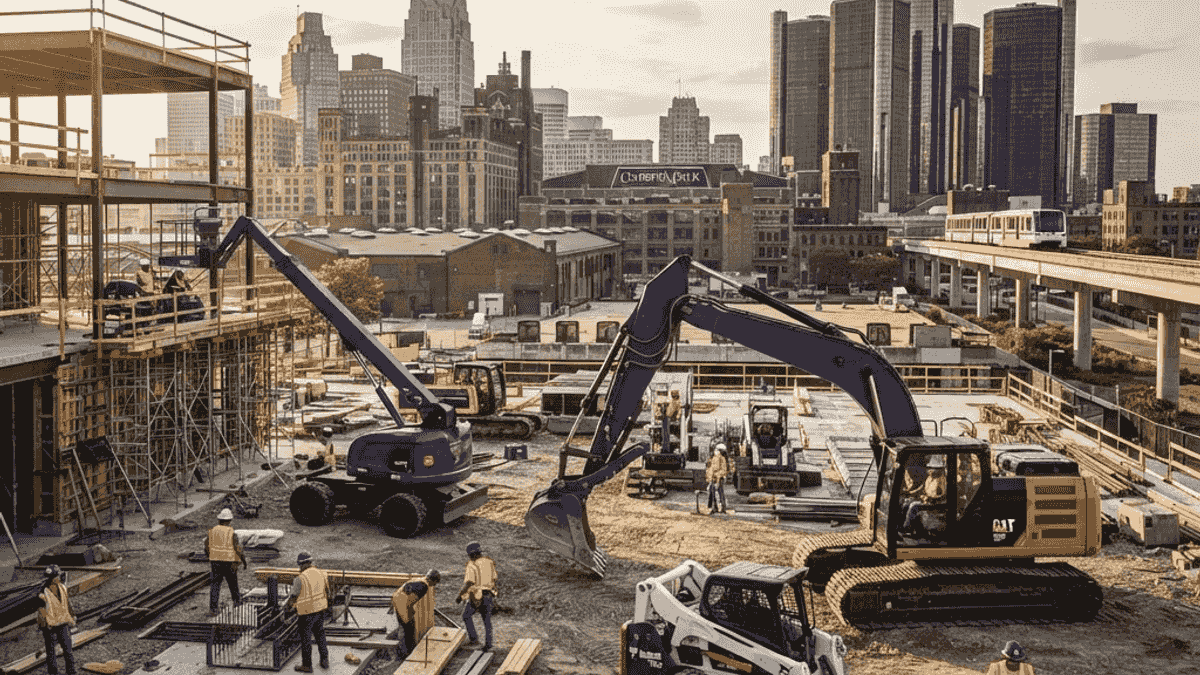
Rental fleets typically include excavators, skid steers, backhoes, loaders, and mini excavators for earthmoving and site work. Aerial lifts, scissor lifts, and boom lifts serve elevated tasks, while compactors, generators, and concrete equipment support a wide range of jobs. Many companies also rent smaller tools and attachments, offering a one-stop solution for project needs.
Trends in Equipment Rental
The rental market continues to grow as businesses prioritize flexibility and capital efficiency. Telematics and GPS tracking are increasingly standard, helping companies monitor equipment health and usage. Cleaner, more fuel-efficient machines are entering fleets in response to environmental concerns, and online booking is making the rental process faster and more convenient.
How to Choose a Rental Company
Look for companies with a modern, well-maintained fleet and strong customer reviews. Confirm delivery options, rental terms, insurance requirements, and support policies before committing. Ask about equipment condition, operating instructions, and what happens in the event of a breakdown. A knowledgeable, responsive rental partner can make a significant difference in project success.
Planning Your Detroit Project
Before contacting providers, write down the result you want, the boundaries of the work, and any deadline that truly matters. Gather photographs, plans, inspection reports, and relevant property records so prospective teams can evaluate the same information. This preparation produces more comparable proposals and helps specialists identify risks early. Detroit projects may involve city reviews, historic-district considerations, utility coordination, or weather-dependent scheduling, so ask who will manage each requirement and how it appears in the timeline.
Budget planning should include more than the headline price. Request an itemized proposal that separates labor, materials, equipment, permits, disposal, and optional upgrades. Keep a reasonable contingency for concealed conditions, especially in older Detroit properties where previous alterations may not be visible during an initial visit. The lowest estimate is not automatically the best value; a complete scope, dependable materials, qualified workers, and responsive project management can prevent expensive corrections later.
Questions to Ask Before Hiring
A productive interview reveals how a company operates when conditions change. Ask who will supervise the work, how often updates are provided, and how change orders are documented and approved. Confirm whether employees or subcontractors perform specialized tasks and how the company verifies their qualifications. It is also sensible to ask about recent projects of similar scale, expected lead times, safety procedures, warranties, and the process for resolving a concern after completion.
References are most useful when the projects resemble your own. Ask former clients whether the provider maintained the schedule, protected the property, communicated unexpected findings, and honored the final agreement. Verify current licensing and insurance directly when those credentials apply to the trade. A professional company should welcome careful questions and answer them without vague promises or pressure.
Getting Long-Term Value
The strongest result comes from evaluating lifetime value rather than initial expense alone. Durable materials, correct installation, efficient systems, and documented maintenance can lower ownership costs well beyond project completion. Request product information, warranty records, inspection approvals, and care instructions for your files. These documents simplify future maintenance and may support insurance claims or a property sale.
Good clients also contribute to successful delivery. Provide timely decisions, maintain clear access to the site, and communicate concerns through the agreed point of contact. Review milestones before payments are released and complete a detailed final walkthrough. When expectations, responsibilities, and documentation remain clear from the beginning, Detroit property owners and project teams are far more likely to achieve a safe, attractive, and durable outcome.
Conclusion
Detroit's best construction equipment rental companies provide the machinery, flexibility, and support that keep projects on track and budgets under control. By choosing a reliable partner with quality equipment and excellent service, contractors and property owners can tackle any job with confidence.