
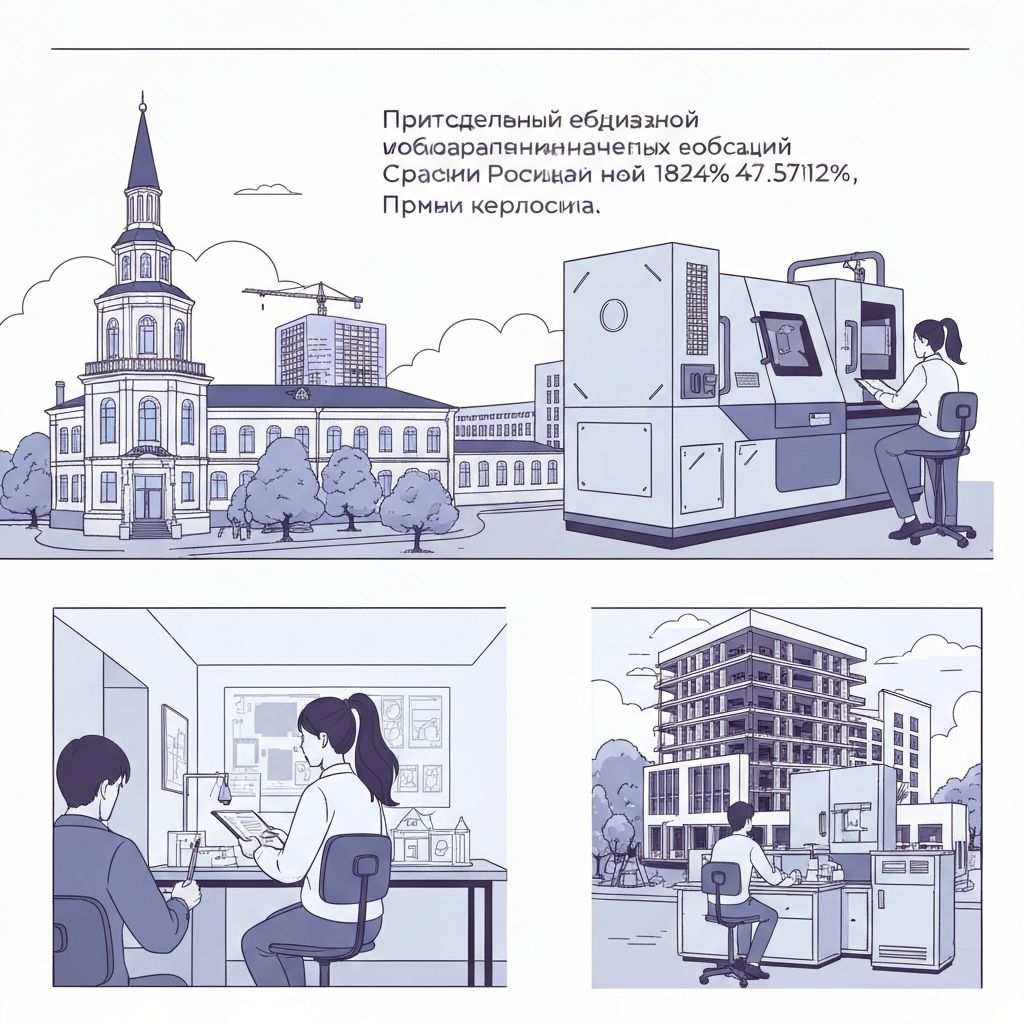
The Role of Colleges in Russia
In Russia, the term 'college' generally refers to secondary vocational education institutions (kolledzh and tekhnikum) that train mid-level professionals. These programs typically last three to four years and produce graduates with hands-on skills in engineering, IT, healthcare, design, hospitality, and the arts. They play a critical role in supplying skilled workforce to Russia's industrial and service sectors.
The Top 10 Colleges in Russia
1. Moscow Polytechnic College named after N.N. Godovikov is one of the largest technical colleges, training engineers, machinists, and IT specialists with strong industry ties.
2. Saint Petersburg College of Information Technology focuses on programming, network engineering, and cybersecurity, feeding talent to the city's tech sector.
3. Krasnodar Information Technology College trains software developers and system administrators with modern lab equipment and industry-aligned curricula.
4. Moscow State College of Electromechanics and Information Technology blends classical electrical engineering with cutting-edge automation programs.
5. College of Architecture, Design, and Reengineering No. 26 in Moscow specializes in industrial design, architectural drafting, and sustainable building methods.
6. Saint Petersburg State College of Industrial Technologies serves the manufacturing sector with programs in mechatronics, welding, and CNC machining.
7. Yekaterinburg Energy Technical College trains technicians for Russia's vast power and energy industry, including renewable energy modules.
8. Kazan College of Technology and Design blends Tatar craftsmanship traditions with modern fashion, textile, and graphic design programs.
9. Novosibirsk College of Telecommunications and Informatics partners with telecom giants to prepare network engineers and digital infrastructure specialists.
10. Sochi College of Hospitality and Service capitalizes on the resort city's tourism industry to deliver hospitality, culinary arts, and event management programs.
What to Expect from Russian Colleges
Vocational colleges in Russia combine classroom theory with extensive practical training, internships, and laboratory work. Students typically graduate with professional certifications recognized across Russia and the Eurasian Economic Union. Many programs offer pathways to bachelor's degrees through partnerships with universities, allowing graduates to fast-track into the third year of higher education.
Admissions and Tuition
Admission is based on school grades (the 'attestat' from grade 9 or 11) and sometimes entrance exams or creative portfolios. State-funded places are free for Russian citizens, while paid contracts are also widely available at affordable rates compared to universities. Foreign students can also enroll, often with Russian-language preparatory courses.
Industry Partnerships and Outcomes
Top Russian colleges maintain close partnerships with employers such as Rostec, Russian Railways, Sberbank, Yandex, and major manufacturing groups. These partnerships ensure relevant curricula, real-world projects, and direct hiring pipelines. Many graduates secure employment immediately after their final-year practicum.
Trends in Vocational Education
Russia has invested heavily in modernizing vocational education through programs such as 'Professionalitet,' which co-funds equipment upgrades and curriculum redesign with industry partners. Worldskills competitions have raised the prestige of skilled trades, while digital programs in IT, robotics, and AI have rapidly expanded enrollment.
Conclusion
Russian colleges deliver practical, industry-aligned education that opens doors to skilled, well-paying careers. The institutions highlighted above are leading the way in producing tomorrow's engineers, designers, IT specialists, and service professionals. For students seeking a faster, more applied alternative to university, Russia's top colleges are an excellent choice.