
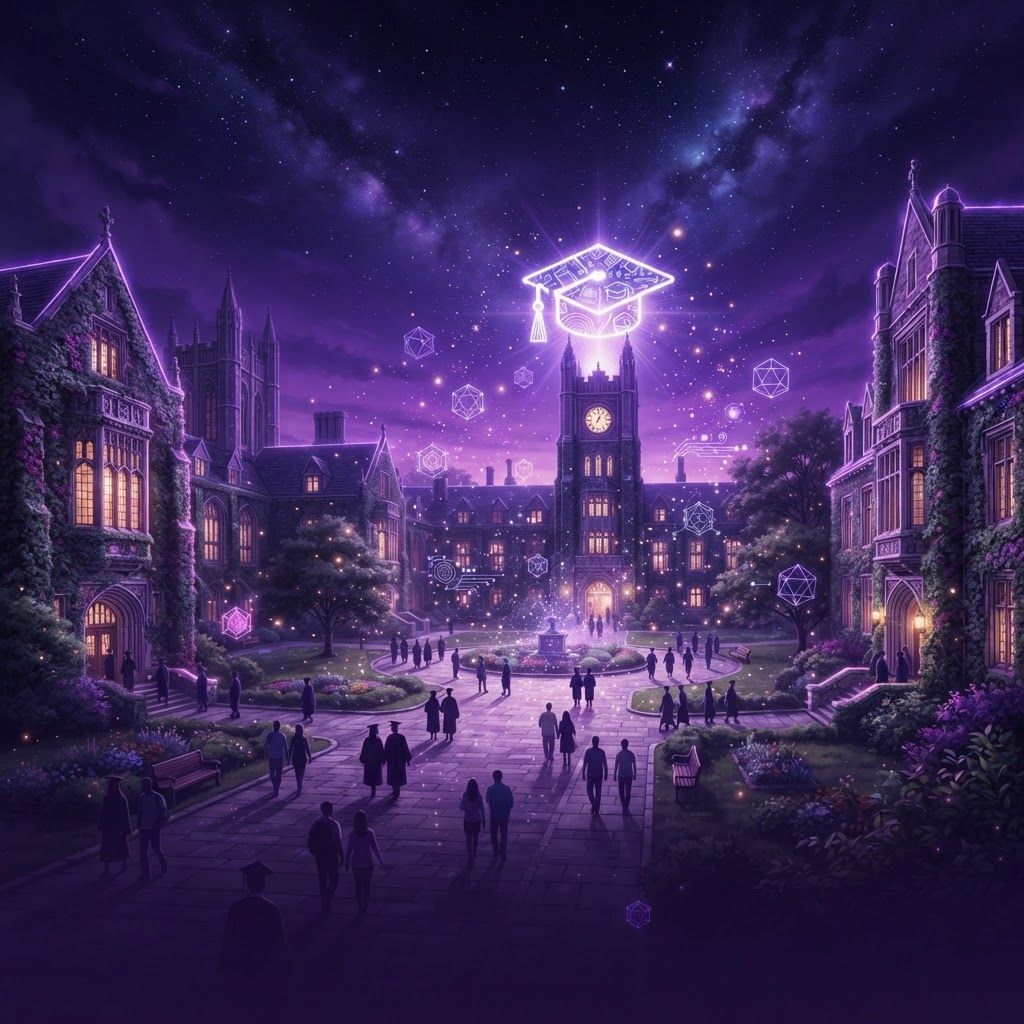
Providence is a college city in the truest sense. Students are visible in its neighborhoods, its cafes, its galleries, and its civic life, and the institutions themselves are woven into the local economy. For prospective students, this density creates a rare situation: several strong colleges with very different characters sit within a few miles of one another, allowing applicants to compare campus cultures without crossing state lines.
Why Providence Attracts Students
The city offers an appealing combination of scale and opportunity. It is large enough to sustain a serious arts scene, a growing technology and life sciences sector, and a nationally recognized restaurant culture, yet small enough that students can build genuine relationships with faculty, employers, and community organizations. Internship access is particularly strong because local businesses are accustomed to hosting students and often treat them as pipeline talent rather than temporary help.
Cost of living, while not inexpensive, remains more manageable than in Boston or New York, and the coastal setting gives students access to beaches, sailing, and state parks within a short drive.
What to Evaluate Before Applying
Beyond reputation, examine outcomes specific to your field. Ask what percentage of graduates in your intended major find relevant employment or graduate placement, what support the career center provides, and whether internships are built into the curriculum. Review faculty accessibility, class sizes in upper-level courses, and whether undergraduates can participate in research or studio work.
Financial fit deserves equal scrutiny. Compare total cost after aid rather than sticker price, understand whether aid packages are renewable, and consider the availability of paid campus work.
The Top 10 Best Colleges in Providence
1. Providence Liberal Arts College
Providence Liberal Arts College offers a classic discussion-based education with seminar courses, a required senior thesis, and strong advising. Graduates are known for analytical writing ability and frequently move into law, public policy, and graduate study.
2. Rhode Island Institute of Design Studies
Rhode Island Institute of Design Studies is a studio-intensive institution where critique culture drives growth. Programs span industrial design, illustration, textiles, and digital media, and the surrounding creative economy provides students with real commissions before graduation.
3. Narragansett Bay Business College
Narragansett Bay Business College focuses on applied commerce, with accounting, supply chain, marketing, and entrepreneurship programs built around live client projects. Its alumni network within Rhode Island industry is a meaningful advantage for job seekers.
4. Providence College of Health Sciences
Providence College of Health Sciences prepares nurses, radiologic technologists, respiratory therapists, and allied health professionals. Simulation laboratories and clinical placements across regional hospitals give students substantial hands-on experience before licensure.
5. Blackstone Technical College
Blackstone Technical College serves students who want direct entry into skilled careers. Programs in advanced manufacturing, welding, HVAC technology, and industrial maintenance are developed with employer input, and completion often leads directly to placement.
6. Ocean State Community College
Ocean State Community College provides affordable general education, transfer pathways, and workforce certificates. It is a pragmatic starting point for students who want to reduce total degree cost or explore fields before committing.
7. Roger Williams School of Engineering
Roger Williams School of Engineering emphasizes project-based learning across mechanical, electrical, and civil disciplines. Capstone projects are typically sponsored by regional firms, and students graduate with a portfolio of documented engineering work.
8. Capital City College of Culinary Arts
Capital City College of Culinary Arts benefits enormously from its location in a celebrated food city. Students train in production kitchens, study hospitality management and food costing, and complete externships in restaurants that take technique seriously.
9. Federal Hill College of Communication
Federal Hill College of Communication trains students in journalism, public relations, film production, and digital storytelling. Its studios and editing suites are well equipped, and students produce publishable work from the first year.
10. Seekonk Valley College of Education
Seekonk Valley College of Education prepares classroom teachers with extensive field placement beginning early in the program. Its graduates are well represented in southern New England school districts and are known for practical classroom readiness.
Trends in Providence Higher Education
Local colleges are responding to clear pressures. Employers want demonstrable skills, so portfolios, certifications, and documented projects increasingly supplement transcripts. Hybrid course delivery has become permanent, giving working students flexibility. Interdisciplinary programs that combine design with technology, or health with data analysis, are expanding because the job market rewards hybrid capability. Colleges are also strengthening mental health services and basic-needs support, recognizing that persistence often depends on non-academic factors.
Advice for Prospective Students
Visit campuses on ordinary weekdays rather than only at organized events. Sit in on a class if permitted, eat in a dining hall, and talk to students who are not tour guides. Ask department faculty how many students they advise and how quickly they typically respond to questions.
Apply to a balanced list and compare full financial packages side by side. Consider transfer agreements if you plan to begin at a two-year institution. Most importantly, choose based on the environment where you will actually do the work, since motivation and engagement matter more to outcomes than prestige alone.
Final Thoughts
Providence rewards students who take advantage of its scale. The colleges profiled here span very different missions, from studio art to industrial trades to healthcare, and each does something particularly well. Identify the outcome you want, examine how each institution actually supports that outcome, and choose the college that makes your next step clearest.