
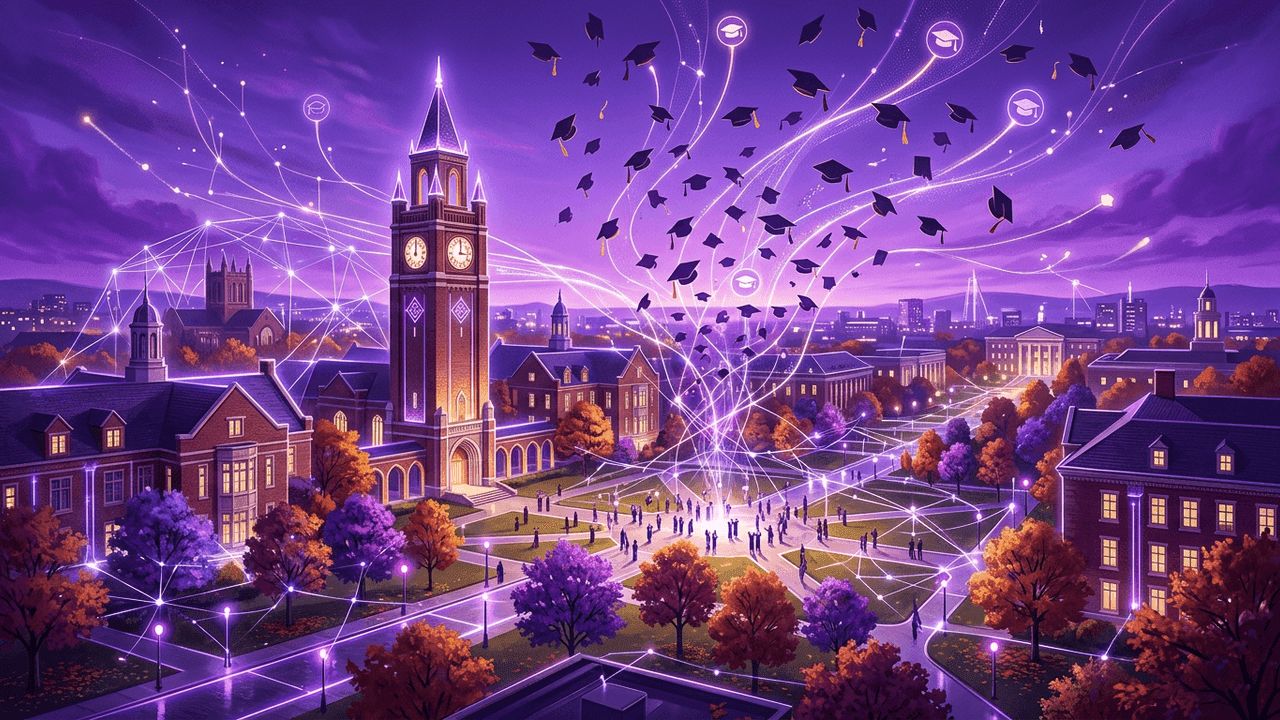
Higher Education in Michigan's Capital Region
Lansing and East Lansing form one of the Midwest's most vibrant higher education hubs. Michigan State University, a Big Ten research powerhouse, anchors the region with tens of thousands of students and world-class research programs. Lansing Community College serves a large and diverse population of learners. Private colleges, professional schools, and university satellite centers add even more choices. Whether you are a recent high school graduate, a working adult, or a career changer, the capital region offers a pathway to your goals.
How We Selected These Institutions
We considered academic reputation, program variety, student support, flexibility for working adults, career outcomes, and community impact. Each institution below brings something distinctive to the region's educational landscape.
1. Michigan State University
Michigan State University is one of the nation's leading public research universities. Founded as a pioneer land-grant institution, MSU offers more than two hundred programs of study, including nationally recognized programs in agriculture, education, supply chain management, nuclear physics, and veterinary medicine. Its beautiful campus along the Red Cedar River, Big Ten athletics, and global research impact make it a cornerstone of the region.
2. Lansing Community College
Lansing Community College is one of the largest community colleges in Michigan. It offers associate degrees, certificates, and transfer pathways in fields such as health careers, aviation, technology, and the arts. LCC's downtown campus and University Center partnerships allow students to complete bachelor's degrees without leaving Lansing.
3. Western Michigan University Cooley Law School
Cooley Law School was founded in Lansing and has trained thousands of attorneys. Its flexible scheduling options, including evening and weekend classes, serve working professionals pursuing legal careers.
4. Michigan State University College of Law
The MSU College of Law offers a comprehensive legal education with specialized programs in intellectual property, international law, and Indigenous law. Its location near the State Capitol provides valuable access to government and policy experience.
5. Davenport University Lansing Campus
Davenport University offers career-focused programs in business, technology, and health. Its Lansing campus and online options make it popular with adult learners seeking practical, workforce-ready education.
6. Great Lakes Christian College
Located in Lansing, Great Lakes Christian College is a small, private institution offering faith-based programs in ministry, music, psychology, and education. Its intimate setting fosters close relationships between students and faculty.
7. Spring Arbor University Lansing
Spring Arbor University offers degree programs for adult learners at its Lansing-area site and online. Its programs in business, nursing, and counseling are designed for working professionals.
8. Siena Heights University at Lansing
Through the Lansing Community College University Center, Siena Heights University provides bachelor's degree completion programs. Students who start at LCC can seamlessly transition to earning a four-year degree.
9. Central Michigan University Global Campus
Central Michigan University's Global Campus offers flexible graduate and undergraduate programs for working adults, including options for Lansing-area learners in fields such as administration and education.
10. Olivet College
Located a short drive from Lansing, Olivet College is a private liberal arts institution known for its emphasis on individual and social responsibility. Its small class sizes and personalized education attract students seeking a close-knit community.
The Impact of Higher Education on Lansing
Colleges and universities are major economic drivers in the capital region. Michigan State University alone employs thousands of people and generates significant research funding. Graduates fill positions in state government, healthcare, technology, manufacturing, and education. University research contributes to innovation in agriculture, medicine, and engineering, while cultural institutions like the Wharton Center and the Broad Art Museum enrich community life.
Partnerships between institutions and local employers create internships, apprenticeships, and job pipelines that benefit students and businesses alike. These connections help keep talent in the region and support Lansing's economic growth.
Trends in Higher Education
Flexible learning options are expanding rapidly. Online and hybrid programs allow working adults to pursue degrees while balancing careers and families. Short-term credentials and certificates in high-demand fields such as information technology, healthcare, and skilled trades are growing in popularity.
Affordability remains a key concern. Many students begin at Lansing Community College and transfer to four-year institutions to reduce costs. Scholarships, state programs such as the Michigan Achievement Scholarship, and employer tuition assistance help make higher education more accessible.
Tips for Choosing a College
Identify your academic and career goals, then research which institutions offer strong programs in those areas. Visit campuses, attend information sessions, and speak with current students and faculty. Compare costs, financial aid packages, and graduation outcomes. Consider whether you prefer a large university experience or a smaller, more personal environment.
Final Thoughts
The Lansing region offers exceptional higher education opportunities for learners at every stage of life. From the world-class research of Michigan State University to the accessible programs at Lansing Community College and the specialized focus of private and professional schools, the colleges above provide strong pathways to success.