
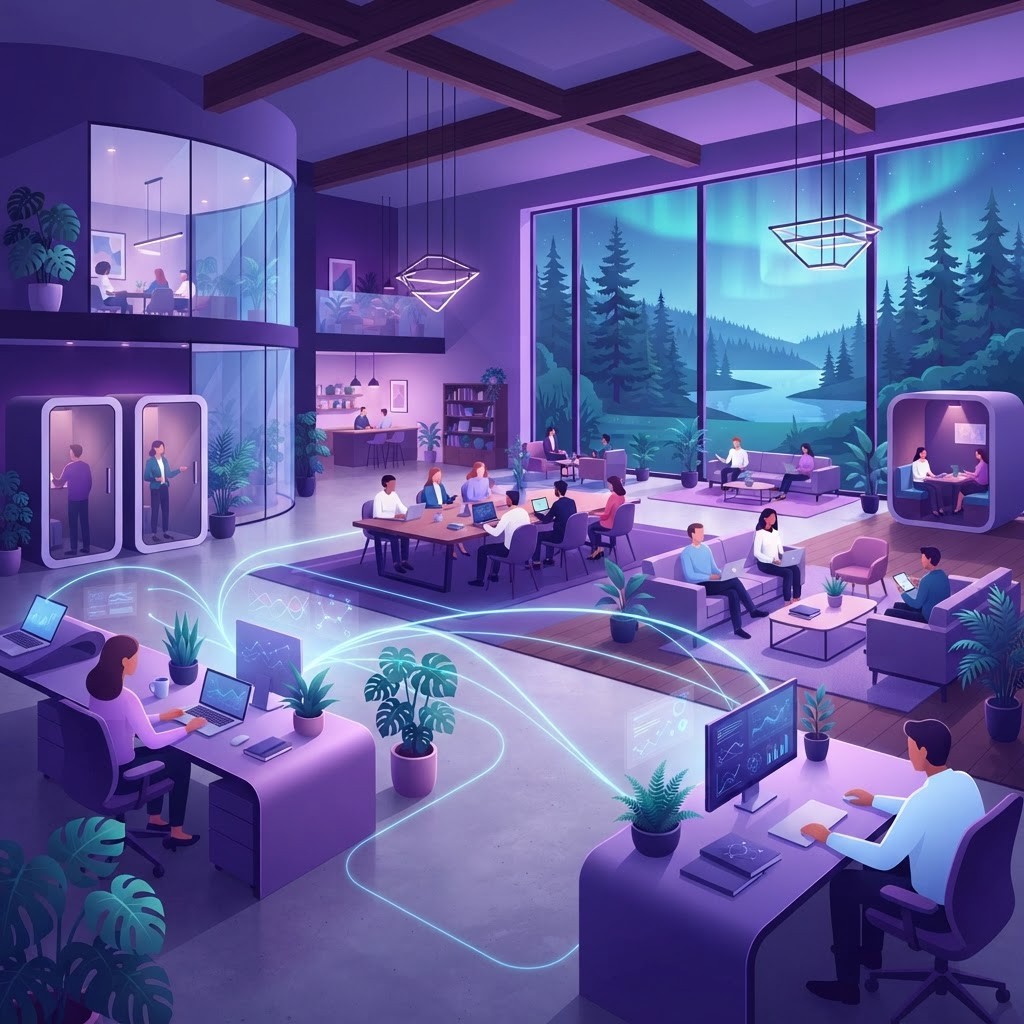
The Growth of Co-working in Finland
Finland has embraced flexible working with characteristic enthusiasm, and co-working spaces have become a vibrant part of its professional landscape. Fuelled by a thriving startup ecosystem, a strong culture of remote work, and a well-connected digital infrastructure, these shared workspaces provide more than just desks. They offer community, collaboration, and the flexibility that modern professionals increasingly demand.
From the buzzing tech corridors of Helsinki to growing hubs in Tampere, Turku, and Oulu, co-working spaces cater to freelancers, entrepreneurs, small teams, and even large corporations seeking satellite offices. The best spaces combine inspiring design, practical amenities, and a genuine sense of belonging that helps members do their best work.
Why Professionals Choose Co-working Spaces
Co-working appeals to a wide range of professionals for several reasons. For freelancers and remote workers, these spaces offer a productive alternative to working from home, complete with reliable internet, meeting rooms, and a professional environment for client calls. For startups, they provide affordable, scalable office solutions without long-term leases or heavy upfront investment.
Beyond the practical benefits, co-working spaces foster valuable connections. Networking events, workshops, and casual interactions often lead to partnerships, mentorship, and new business opportunities. In Finland, where innovation and collaboration are highly valued, this community aspect is a major draw.
The Top 10 Co-working Spaces
1. Maria 01 in Helsinki is one of the Nordics' largest startup campuses, hosting a dynamic community of technology companies, investors, and entrepreneurs in a historic former hospital setting.
2. UMA Workspace operates stylish, design-led spaces in prime Helsinki locations, offering flexible memberships, private offices, and premium meeting facilities.
3. Spaces brings its international co-working brand to Finland with vibrant, community-focused environments ideal for entrepreneurs and growing teams.
4. Regus provides a broad network of professional office and co-working solutions across multiple Finnish cities, valued for its flexibility and business-ready facilities.
5. Technopolis UMA and related Technopolis spaces combine flexible workspaces with extensive business park services, appealing to established companies and scaling startups alike.
6. Epicenter Helsinki is a premium innovation house that blends co-working with events, wellness, and a strong community of forward-thinking businesses.
7. Hub13 offers a welcoming, community-oriented space in Helsinki with a focus on comfort, collaboration, and a relaxed working atmosphere.
8. Crazy Town, with locations in cities such as Tampere and Jyväskylä, is a well-known entrepreneurial community offering shared offices and strong peer support for growing businesses.
9. Platform6 in Turku is a startup hub that combines co-working with acceleration programmes and a supportive founder community.
10. Business Aspa and similar regional spaces round out the list, providing flexible, locally rooted workspaces that support entrepreneurs across Finland.
Choosing the Right Co-working Space
Selecting the ideal co-working space depends on individual needs. Location is often the first consideration, as easy access by public transport and proximity to clients or home can make a significant difference. Membership flexibility is also important, ranging from hot desks and part-time access to dedicated desks and private offices.
Prospective members should evaluate the amenities on offer, including meeting rooms, high-speed internet, quiet zones, kitchen facilities, and event programming. Just as important is the community itself. Visiting a space, meeting current members, and getting a feel for the atmosphere can reveal whether it aligns with your working style and goals.
Trends in the Finnish Co-working Market
Hybrid working has accelerated demand for flexible spaces, with many companies adopting co-working as part of a distributed office strategy. This has led to a rise in premium, service-rich environments that emphasise wellbeing, sustainability, and design. Features such as ergonomic furniture, natural light, greenery, and wellness programmes are increasingly common.
Community and specialisation are also growing trends. Some spaces now focus on specific industries or missions, from technology and gaming to sustainability and creative work, helping members connect with like-minded peers. Sustainability more broadly is a priority, reflecting Finland's environmental values, with many spaces pursuing energy efficiency and responsible operations.
Conclusion
Co-working spaces have become an essential part of Finland's modern working culture, offering flexibility, community, and inspiration in equal measure. Whether you are a solo freelancer, an ambitious startup, or an established company seeking agile office solutions, Finland's top co-working spaces provide environments where ideas flourish and connections are made. By choosing a space that matches your needs and values, you can unlock greater productivity and become part of a thriving professional community.