
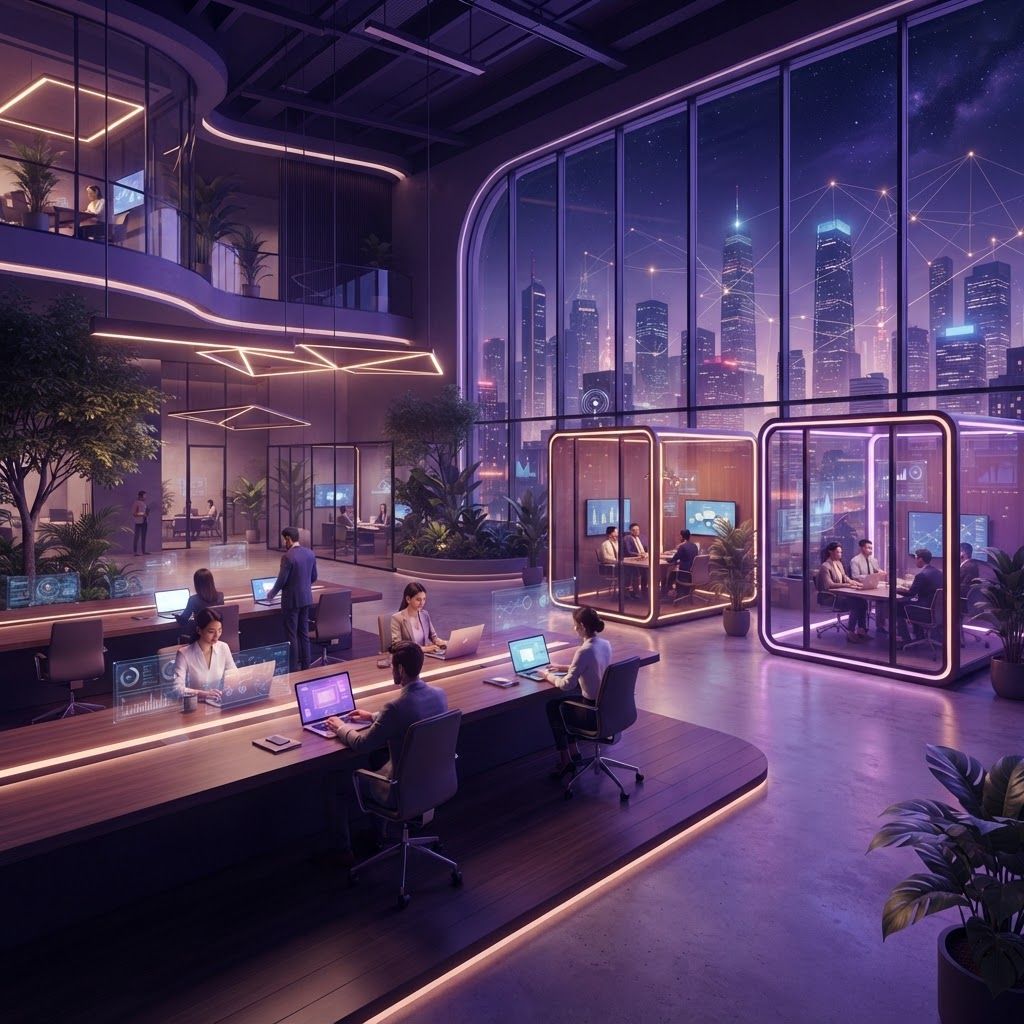
Why Co-working Took Hold in Des Moines
Des Moines has an unusual combination of ingredients that makes flexible workspace thrive. The metro hosts a dense concentration of insurance and financial services employers, a fast-growing technology and fintech community, a strong entrepreneurial support network, and housing costs low enough that independent professionals can afford to take risks. Add widespread hybrid work policies and you get consistent demand for professional space without a long-term lease.
The result is a co-working landscape that is more varied than many larger cities. Downtown spaces cater to founders and remote employees who want energy and proximity to clients. Suburban locations in West Des Moines and Ankeny serve professionals who want a short commute and easy parking. Specialized spaces support creatives, nonprofits, and makers.
The Top 10 Co-working Spaces in Des Moines
1. Gravitate
Gravitate is the anchor of the Des Moines co-working scene, with locations downtown and in the western suburbs. It is known for a genuine community culture rather than simply rented desks, offering member events, mentorship connections, and a mix of open seating, dedicated desks, and private offices. Founders, freelancers, and small distributed teams make up much of the membership, and the space has become a natural landing point for people new to the local business community.
2. Global Insurance Accelerator Space
Tied to the metro's insurtech ecosystem, this environment supports early-stage insurance technology companies with workspace alongside mentorship and investor access. It is a specialized option, but for founders building in insurance technology, the network value far exceeds the desk itself.
3. Forge Coworking
Forge offers a quieter, focused environment appealing to consultants, attorneys, accountants, and other professionals who need confidentiality and reliable meeting rooms more than social programming. Private offices, phone booths, and conference space form the core of the offering.
4. Iowa Startup Accelerator Network Spaces
Connected to Iowa's broader startup support system, these spaces combine desks with programming, workshops, and access to advisors. Early-stage teams benefit from proximity to peers navigating the same fundraising and product challenges.
5. Regus Des Moines
Regus provides the predictable international standard: professional reception, serviced private offices, meeting rooms bookable by the hour, and global network access. Corporate satellite teams and traveling professionals often choose it for consistency and a business-formal atmosphere.
6. Spaces by IWG
Operating under the same parent as Regus but with a more design-driven and creative feel, Spaces blends open lounge areas with private studios. It suits marketing teams, agencies, and companies that want a modern brand impression when clients visit.
7. The Foundry Coworking
The Foundry appeals to makers, designers, and hybrid teams that occasionally need space for hands-on work alongside conventional desks. Flexible layouts and community events give it a distinctly local character.
8. Franklin Junior High Coworking
Housed in a repurposed historic school building in the Beaverdale area, this space is a favorite for professionals who want character and neighborhood convenience rather than a glass tower. Natural light, high ceilings, and an informal atmosphere define the experience.
9. Nexus Executive Suites
Nexus focuses on executive suite arrangements: fully furnished private offices with shared administrative support, mail handling, and meeting facilities. Established small firms that have outgrown open co-working but do not want a conventional lease frequently choose this model.
10. Ankeny and Suburban Flex Offices
A growing cluster of independently operated flexible offices in Ankeny, Urbandale, and Clive serves the metro's northern and western suburbs. These spaces typically offer free parking, straightforward monthly terms, and short commutes, which increasingly outweigh downtown prestige for professionals with families.
What to Evaluate Before Committing
Internet reliability is non-negotiable, so ask about bandwidth, redundancy, and whether video calls degrade during peak hours. Examine meeting room policies, because included credits versus hourly billing can change the effective monthly cost substantially. Consider acoustics if your work involves constant calls, and check parking, since downtown ramp costs add up quickly. Finally, evaluate the community itself. The strongest argument for co-working over a home office is the people you meet, and that value only materializes in spaces with active programming and an engaged membership.
Trends in the Local Flexible Workspace Market
Hybrid schedules have shifted demand toward part-time memberships and day passes rather than full-time desks. Employers are increasingly purchasing memberships on behalf of remote staff, treating co-working as a benefit and a substitute for leased square footage. Suburban demand has grown faster than downtown demand, mirroring residential migration patterns across the metro. Meanwhile, meeting-room-only memberships have emerged for professionals who work from home but need a professional setting for client sessions.
Making the Right Choice
Tour at least three spaces at the time of day you would actually work. Sit for an hour, test the internet, listen to the noise level, and talk to current members. Negotiate a short initial term before committing to a year, and confirm what happens if your team grows by two or three people. The best co-working space is rarely the one with the nicest lobby; it is the one where you consistently do your best work.
Final Thoughts
Des Moines offers a mature, affordable, and genuinely community-oriented flexible workspace market. Whether you are a solo consultant, a venture-backed founder, or a corporate team piloting hybrid work, the metro has an option that fits. Match the space to your working style rather than to its reputation, and the membership will pay for itself in productivity and connections.