
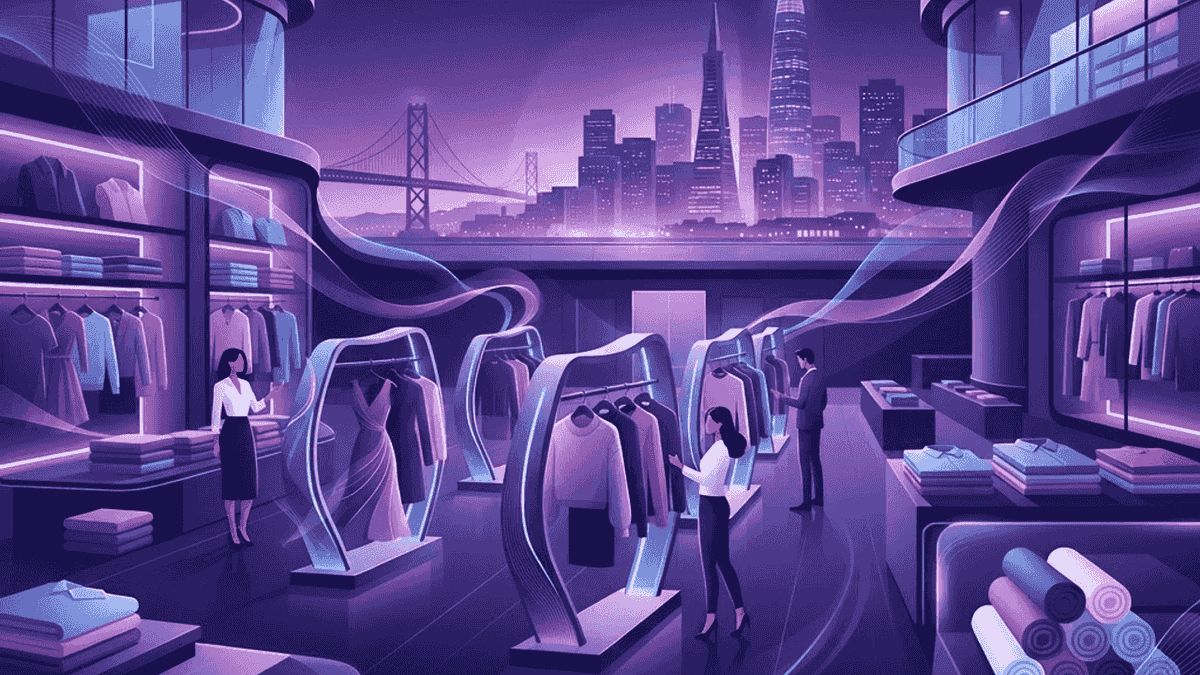
The Clothing Wholesale Scene in San Francisco
San Francisco's fashion identity blends practicality, sustainability, and a distinctly casual-yet-polished sensibility. The city's clothing wholesalers reflect this character, supplying everything from durable basics and activewear to elevated contemporary fashion for the region's many boutiques and independent brands. As a gateway to both domestic manufacturing and international supply, San Francisco offers retailers a rich range of sourcing options.
The local market is shaped by discerning consumers who increasingly ask about materials, ethics, and environmental impact. As a result, the strongest wholesalers offer not just competitive pricing and variety but transparency about sourcing and a growing selection of sustainable and ethically produced apparel. The city's retail landscape is remarkably diverse, encompassing neighborhood boutiques, online-first brands, resale and vintage shops, and established department stores. Each of these channels has different needs in terms of style, price point, and order volume, so the wholesalers who thrive here tend to be those that can adapt their assortments and terms to a wide variety of business models.
The Top 10 Clothing Wholesalers
1. Bay Area Apparel Distributors supplies a broad range of basics and blanks to retailers, screen printers, and brands, valued for consistent quality and stock.
2. Golden Gate Fashion Wholesale focuses on contemporary women's fashion, offering trend-driven collections to boutiques.
3. Mission Streetwear Supply specializes in urban and streetwear apparel, serving independent labels and retailers.
4. Presidio Activewear Distribution provides performance and athleisure apparel suited to the region's active lifestyle.
5. Embarcadero Denim Wholesale centers its offering on denim and casual wear, with a range of fits and washes.
6. Sunset Sustainable Apparel curates eco-friendly and ethically produced clothing, appealing to values-driven retailers.
7. Bayview Uniform & Workwear supplies durable uniforms and workwear for hospitality, healthcare, and industrial clients.
8. Marina Accessories & Apparel offers a mix of clothing and accessories, giving boutiques a convenient one-stop source.
9. Nob Hill Boutique Supply focuses on elevated, small-batch collections for upscale independent shops.
10. Twin Peaks Kids & Family Wholesale completes the list with children's and family apparel in a wide range of sizes and styles.
What Sets Top Clothing Wholesalers Apart
The leading clothing wholesalers distinguish themselves through product quality, range, and reliability. Retailers depend on consistent sizing, dependable stock, and accurate representation of colors and fabrics. A wholesaler that maintains these standards helps boutiques build trust with their own customers.
Flexibility is equally important. Boutiques often need smaller minimum orders and the ability to reorder popular items quickly, while larger retailers require volume and consistency. Wholesalers who accommodate a range of order sizes, and who communicate clearly about availability and lead times, earn lasting loyalty.
Trends in Clothing Wholesale
Sustainability is reshaping the apparel wholesale market. Retailers and consumers increasingly favor organic fibers, recycled materials, and ethically produced garments, prompting wholesalers to expand transparent, responsible offerings. Certifications and clear sourcing information have become valuable selling points.
Speed and flexibility are also crucial as fashion cycles accelerate. Many wholesalers now offer faster restocking and smaller, more frequent deliveries to help retailers respond to trends without overcommitting inventory. At the same time, the enduring popularity of versatile basics and athleisure continues to anchor steady demand.
How to Choose a Clothing Wholesaler
Start by aligning the wholesaler's focus with your store's identity, whether that is contemporary fashion, streetwear, sustainable apparel, or workwear. Request samples to evaluate fabric quality, construction, and sizing accuracy before placing larger orders. Consistency in these areas directly affects customer satisfaction and returns.
Consider minimum order requirements, reorder speed, and pricing structure to ensure the relationship fits your business model. For values-driven retailers, ask about sourcing and sustainability practices. Building a relationship with a reliable, transparent wholesaler helps you maintain a compelling, dependable inventory.
Merchandising and Inventory Strategy
Sourcing great apparel is only half the equation; how retailers manage and merchandise that inventory determines profitability. Working with wholesalers who offer smaller, more frequent deliveries allows boutiques to test styles, respond to demand, and avoid tying up capital in slow-moving stock. Many San Francisco distributors now support this nimble approach with quick reorders on core items and limited runs on trend pieces, helping retailers stay fresh without overcommitting.
Understanding size curves, color assortments, and seasonal timing also matters. Experienced wholesalers share insight into which styles perform, how to build balanced assortments, and when to introduce seasonal collections. Some provide marketing support such as lookbooks and product imagery, which is especially valuable for online sellers. By treating a wholesaler as a strategic partner rather than a mere supplier, retailers can improve sell-through, reduce markdowns, and strengthen their overall merchandising.
Final Thoughts
San Francisco's clothing wholesalers offer retailers a diverse, high-quality range of apparel backed by a strong emphasis on sustainability and service. Whether you run a boutique, an online store, or a growing brand, the city's distributors provide options to match your niche. By evaluating quality, flexibility, and sourcing transparency, buyers can secure a wholesale partner that supports both their inventory and their values.