
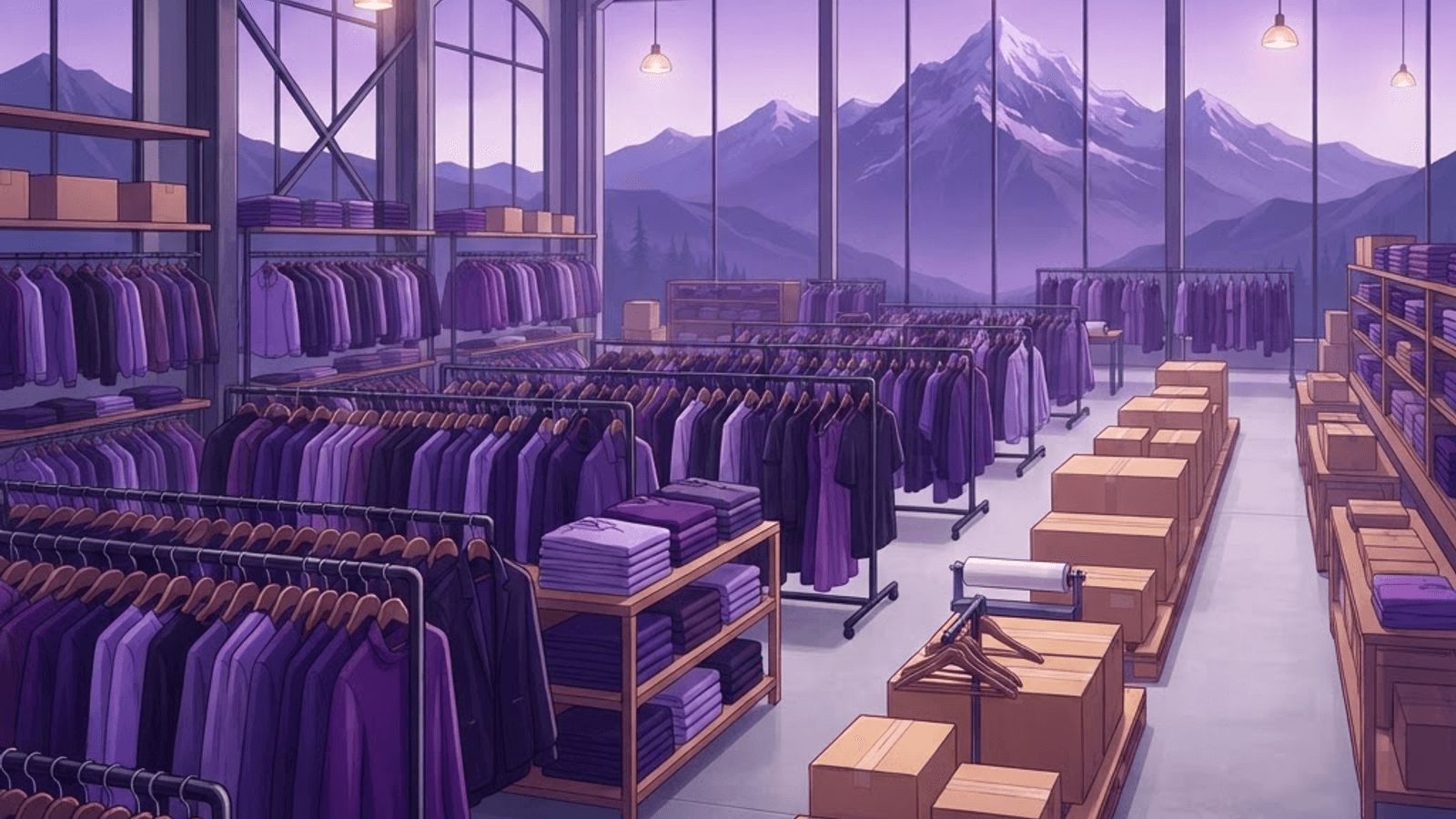
The Salt Lake City Wholesale Apparel Landscape
Apparel wholesaling in Salt Lake City reflects the character of the region. Outdoor and activewear dominate, supported by the presence of major mountain sport brands and a population that genuinely lives outdoors. Around that core sits a healthy trade in blank apparel for decoration, uniform programs for the hospitality and healthcare sectors, boutique fashion supply and a rapidly growing online reseller community.
Wholesale relationships work differently across these segments. A boutique buyer needs curated selection, small minimums and frequent new arrivals. A promotional products company needs enormous blank inventory in consistent colors. A uniform program needs sizing consistency, reorder availability for years and embroidery capability. Choosing the right wholesaler starts with knowing which of these you are.
Ten Clothing Wholesalers Serving Salt Lake City
1. Alphabroder Salt Lake City
National blank apparel distributors with regional distribution centers supply t shirts, fleece, polos, outerwear and headwear to decorators and promotional companies. Fast regional shipping and deep size and color inventory are the primary reasons screen printers rely on them for daily replenishment.
2. SanMar Regional Distribution
As one of the largest blank apparel suppliers in the country, SanMar serves Utah decorators with a broad catalog spanning basic tees to premium branded outerwear. Its strength lies in consistency, allowing a uniform program to reorder identical garments over multiple years.
3. Wasatch Outdoor Apparel Wholesale
Outdoor apparel distributors in the valley supply retailers with technical layers, insulated jackets, hiking apparel and accessories. Their buyers understand seasonal timing in mountain markets, where ski shops preorder far in advance and replenishment windows are narrow.
4. Salt Lake Uniform Supply
Uniform wholesalers provide scrubs, chef wear, hospitality attire, work wear and safety apparel to healthcare systems, restaurants, hotels and industrial employers. Services often include sizing events, embroidery, individual employee ordering portals and long term product continuity.
5. Bonneville Boutique Apparel Distribution
Boutique focused wholesalers curate women fashion, accessories and seasonal collections with low minimums suited to independent shops. Their competitive advantage is trend selection and frequent new arrivals rather than depth in any single style.
6. Intermountain Activewear Wholesale
Activewear distributors supply leggings, performance tops, sports bras and athleisure to studios, gyms and retailers. Utah strong fitness culture and the prevalence of direct selling apparel businesses have made this an unusually active segment locally.
7. Great Basin Workwear Distributors
Work apparel wholesalers stock flame resistant clothing, high visibility garments, insulated work wear and rugged pants for construction, mining and utility employers. Compliance with safety standards is non negotiable, so documentation and certified product sourcing matter enormously.
8. Alta Children and Family Apparel Wholesale
Children apparel wholesalers serve boutiques and online sellers with kids clothing, infant wear and family coordinated collections. Utah relatively young population supports steady demand in this category throughout the year.
9. Canyon Vintage and Secondhand Wholesale
Vintage and resale wholesalers supply bulk sorted secondhand clothing to thrift retailers, vintage shops and online resellers. Sustainability interest and vintage fashion trends have made this segment considerably more sophisticated than it once was, with graded bales and curated lots.
10. Silicon Slopes Print on Demand Apparel Partners
Print on demand and dropship apparel suppliers allow online sellers to offer custom designs without holding inventory. Integration with e commerce platforms, print quality consistency and reliable fulfillment turnaround are the deciding factors for sellers choosing among them.
Trends in Wholesale Apparel
Sustainability requirements have intensified. Buyers now ask about organic cotton, recycled polyester, water use in dyeing and labor practices. Wholesalers who can provide certification documentation win business from brands making public commitments.
Inventory agility has replaced bulk purchasing as the dominant strategy. Retailers order smaller quantities more frequently to reduce markdown risk, which has pushed wholesalers to improve replenishment speed and reduce minimums.
Customization at scale continues to grow, with direct to garment printing, embroidery and heat transfer allowing personalization at quantities that were impossible a decade ago. Meanwhile size inclusivity has become a baseline expectation rather than a specialty offering, and wholesalers with genuinely complete size ranges have a clear advantage.
How to Choose a Clothing Wholesaler
Evaluate minimums and terms against your actual sales velocity. Ordering deeper than you can sell within a season ties up capital and forces discounting. Ask whether the wholesaler offers open stock reordering or only seasonal buys.
Request physical samples before committing. Photographs cannot convey fabric hand, weight, stitch quality or true color, and fit consistency across sizes is impossible to judge remotely. For decorated apparel, test how the fabric accepts printing or embroidery.
Confirm inventory reliability, particularly for uniform programs that require identical garments over multiple years. Ask how the wholesaler communicates discontinuations. Review return, exchange and defect policies carefully.
Finally, consider the relationship. Wholesalers who share sell through data, flag emerging trends and help with assortment planning function as partners rather than order takers, and that guidance is especially valuable for newer retailers.
Final Thoughts
Clothing wholesalers in Salt Lake City cover an impressive spectrum, from technical outdoor apparel and safety work wear to boutique fashion and print on demand fulfillment. The region logistics strength means inventory moves quickly, and local relationships allow buyers to inspect goods before committing. Match your wholesaler to your business model, verify quality physically, and build supply relationships that support steady growth.