
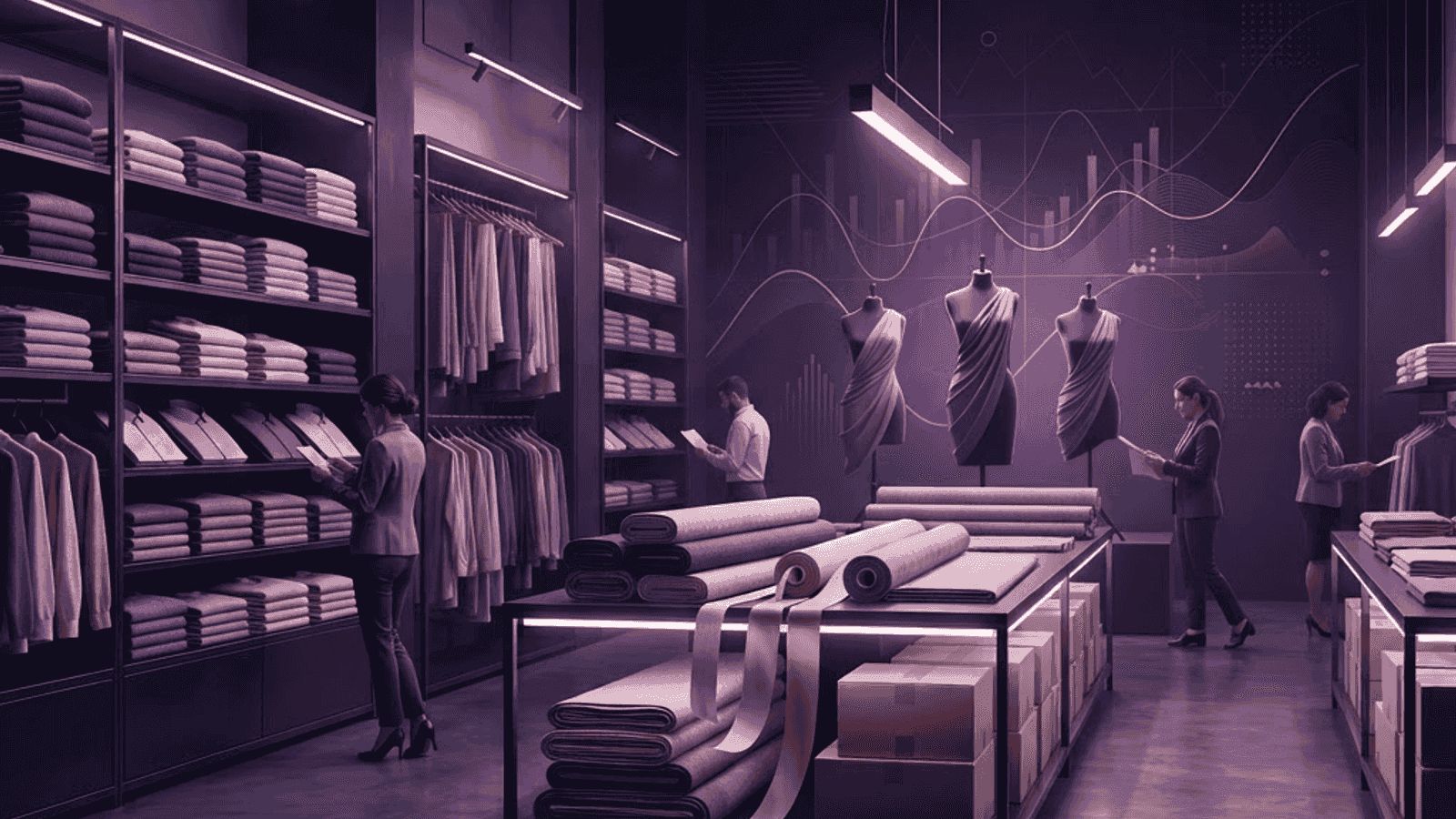
Oakland's Apparel Wholesale Landscape
Oakland's relationship with clothing is distinctive. The city has a strong independent fashion culture, a deep screen printing and embroidery community, an active streetwear scene, and a large base of organizations needing uniforms and branded apparel. All of that demand flows through wholesalers, who hold inventory, break cases, and make it possible for a boutique or a startup brand to operate without importing container loads.
Compared with the Los Angeles apparel district, Oakland's wholesale sector is smaller but notably more accessible. Minimums tend to be lower, buyers can often meet owners directly, and suppliers are accustomed to working with small brands still figuring out their assortment. For a designer launching a first collection, that patience has real commercial value.
Understanding the Apparel Wholesale Segments
Apparel wholesale is not one market. Blank apparel distribution supplies undecorated tees, hoodies, and caps to printers and brands, competing on fabric quality, color range, size availability, and fill rates. Fashion wholesale offers finished designed garments to boutiques, typically sold by season with pack requirements.
Uniform and workwear distribution serves hospitality, healthcare, trades, and schools, where durability, consistent restocking over years, and decoration services matter more than trend. Accessories wholesale covers bags, hats, socks, and jewelry, often used by retailers to raise transaction value. Vintage and secondhand wholesale supplies curated bales and sorted goods to resale shops, an especially active category in the East Bay. Finally, textile and trim wholesale serves manufacturers rather than retailers.
The Top 10 Clothing Wholesalers in Oakland
1. Estuary Blanks Supply. A blank apparel distributor stocking tees, fleece, and headwear across multiple quality tiers, Estuary serves the region's print and embroidery shops. Its differentiator is inventory accuracy and same-day pickup, which lets decorators accept rush jobs confidently instead of guessing at availability.
2. Bayline Fashion Wholesale. Supplying contemporary women's and men's apparel to boutiques, Bayline curates seasonal assortments with flexible pack requirements. Buyers value its willingness to allow smaller initial orders followed by reorders on proven styles, which reduces markdown risk for small shops.
3. Fruitvale Uniform & Workwear. This distributor serves restaurants, hotels, clinics, and trade contractors with durable uniform programs, including chef coats, scrubs, hi-visibility gear, and work pants. Multi-year program continuity, so a business can replace one item without changing its whole look, is its central strength.
4. Mandela Streetwear Distribution. Focused on the streetwear and skate market, Mandela distributes graphic apparel, headwear, and accessories to independent retailers. Its buyers stay close to local culture, which means assortments reflect what the community actually wears rather than a national forecast.
5. Broadway Accessories Wholesale. Carrying bags, belts, scarves, socks, and costume jewelry, Broadway helps retailers build margin-rich impulse categories. Low minimums and frequent new arrivals make it practical for shops that refresh displays monthly.
6. Lakeside Activewear Supply. Specializing in performance apparel, including moisture-wicking layers, leggings, and team uniforms, Lakeside serves fitness studios, schools, and athletic programs. Technical fabric knowledge helps buyers match garments to actual use rather than marketing language.
7. Peralta Vintage Wholesale. Sorting and grading secondhand apparel for resale retailers, Peralta supplies curated selections by era, category, and condition. Transparent grading standards distinguish it in a category where inconsistent quality can ruin a buyer's margins.
8. Jack London Children's Apparel. This wholesaler supplies children's and infant clothing to boutiques and gift shops, with attention to safety requirements, fabric softness, and practical laundering durability. Its size curve guidance helps small retailers avoid stranded inventory.
9. Foothill Sustainable Textiles. Offering organic cotton, recycled polyester, and responsibly certified blanks and finished garments, Foothill serves brands with environmental commitments. Documentation support makes verifiable claims possible, which increasingly matters to both consumers and wholesale buyers.
10. Redwood Heights Fabric & Trim. Supplying fabric by the roll, along with zippers, labels, thread, and packaging, this wholesaler serves cut-and-sew manufacturers and designers producing locally. Small-quantity availability lets brands sample before committing to production yardage.
Trends Shaping Apparel Sourcing
Small-batch production has become the dominant strategy for emerging brands. Rather than gambling on large initial runs, brands now produce limited quantities, measure demand, and reorder. Wholesalers who support low minimums and quick reorders enable this model, and those who insist on large commitments are steadily losing that customer segment.
Sustainability expectations have matured beyond vague claims. Buyers ask about fiber content, certification, and factory conditions, and consumers increasingly notice when answers are evasive. Wholesalers who can document their supply chain give their customers a credible story to tell.
Decoration integration is another shift. Many wholesalers now offer or coordinate printing, embroidery, and labeling, allowing a brand to receive finished, tagged goods ready for sale. This reduces handling steps and shortens time to market considerably.
Finally, the resale and secondhand market continues to expand, particularly in the East Bay. This has increased demand for graded vintage wholesale and has pushed some traditional wholesalers to add refurbished or overstock programs.
How to Choose an Apparel Wholesaler
Order samples before committing. Photographs cannot convey fabric hand, weight, or how a garment recovers after washing, and sizing consistency varies enormously between suppliers. Wash and wear samples before you build an assortment around them.
Understand minimums, pack structures, and reorder availability. A great style is worthless if you cannot restock it mid-season. Ask about fill rates, meaning what percentage of ordered units actually ship, because a supplier that consistently short-ships creates gaps in your size runs.
Clarify return and defect policies, and confirm whether exclusivity is available in your area if you sell fashion. For uniform programs, confirm how long a style will remain available, since replacing a discontinued garment across an entire staff is expensive and disruptive.
Final Thoughts
Oakland's clothing wholesalers offer a practical, relationship-driven alternative to distant sourcing, with the flexibility that small and growing brands genuinely need. Whether you are outfitting a restaurant staff, stocking a boutique, supplying a print shop, or launching a label, the city's suppliers cover the range. Prioritize sample quality, fill reliability, and honest communication, and the sourcing side of your business becomes a strength rather than a constant worry.