
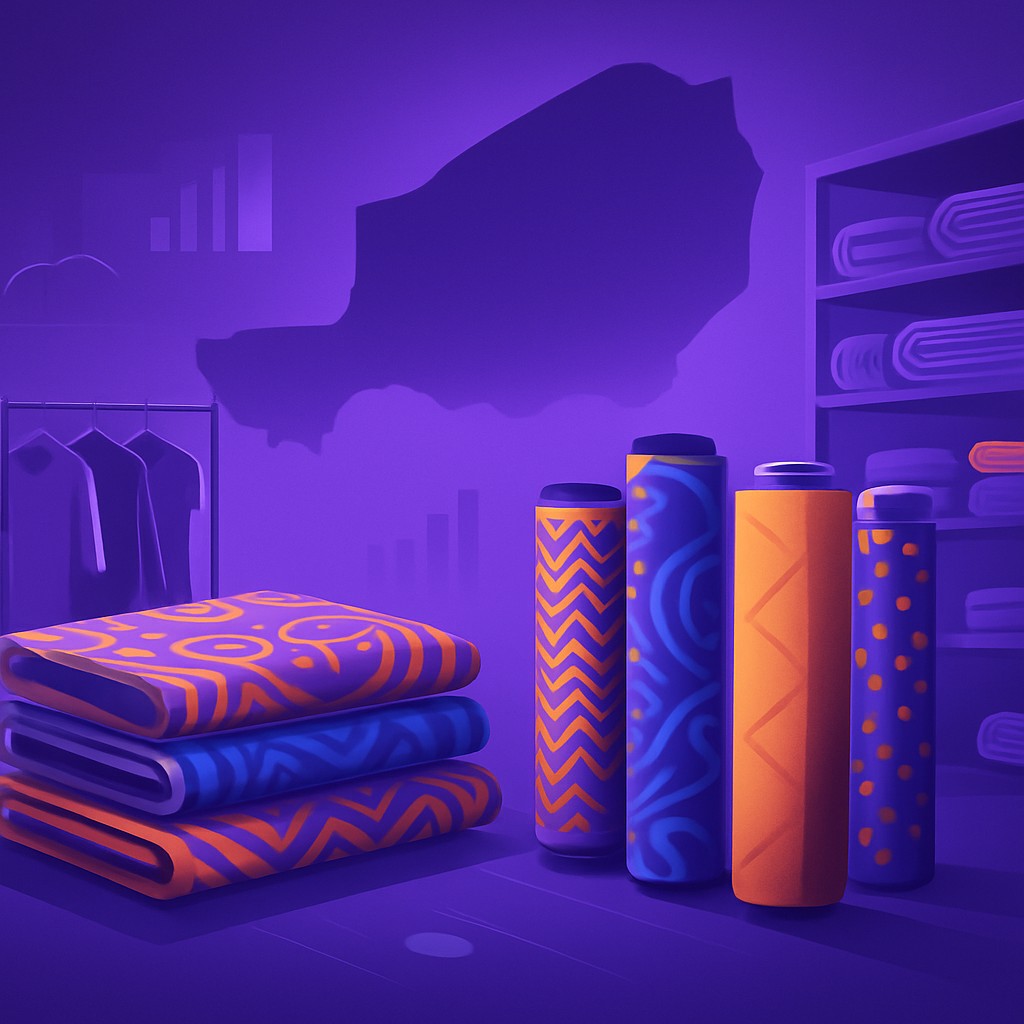
Niger's Vibrant Clothing Trade
Clothing wholesalers are central to Niger's thriving textile and apparel market, supplying fabrics, ready-to-wear garments, and accessories to retailers, tailors, and market traders across the country. With a rich tradition of textile use and a strong culture of bespoke tailoring, demand for quality fabrics and clothing remains robust. Wholesalers ensure a steady flow of products that keep markets vibrant and businesses thriving.
The sector blends imported fabrics and garments with locally relevant styles, catering to diverse tastes and occasions. From everyday wear to festive and ceremonial attire, clothing wholesalers play a key role in meeting the needs of a fashion-conscious population.
What Makes a Leading Clothing Wholesaler
The best clothing wholesalers are known for the quality and variety of their products, competitive pricing, and reliable supply. The ability to offer a wide range of fabrics and garments, respond to changing trends, and serve both large retailers and small traders is highly valued. Strong distribution networks and dependable service are essential in this fast-moving sector.
The Leading Clothing Wholesalers
Niamey Textile Wholesale is a major supplier of fabrics and garments, valued for its extensive selection and reliable stock.
Sahel Fabric Distributors specialises in quality textiles, offering a wide range of materials for tailoring and fashion.
Maradi Apparel Supply focuses on ready-to-wear garments for men, women, and children.
Zinder Clothing Traders serves market traders and retailers with affordable apparel and accessories.
Sahara Textile Trading offers a diverse catalogue of fabrics and finished clothing.
Niger Fashion Wholesale concentrates on trend-driven apparel for urban retailers.
Tahoua Garment Distributors serves regional markets with a broad range of clothing products.
Dosso Fabric & Apparel specialises in both textiles and ready-made garments for diverse buyers.
Agadez Clothing Supply provides apparel and fabrics to the northern regions.
Tillaberi Textile Hub rounds out the list with a focus on affordable fabrics and clothing for traders and retailers.
Products and Styles
Niger's clothing wholesalers offer a rich variety of products. Fabrics are among the most important items, supporting the country's strong tradition of tailoring and bespoke garment-making. Wholesalers supply a range of materials suited to everyday wear, professional attire, and festive occasions, enabling tailors and retailers to meet diverse customer needs.
Ready-to-wear garments are also in high demand, providing convenient options for consumers across all age groups. Accessories complement these offerings, completing the wholesalers' catalogues. By supplying both fabrics and finished clothing, wholesalers serve the full spectrum of the apparel market.
Trends Shaping the Sector
Fashion in Niger reflects a blend of tradition and contemporary influences. Demand for colourful, patterned fabrics remains strong, while interest in modern styles continues to grow, particularly among younger urban consumers. Wholesalers that can offer both traditional textiles and trend-driven apparel are well positioned to capture diverse segments of the market.
Seasonal and festive demand also shapes the sector, with peaks around celebrations and ceremonies. Wholesalers that anticipate these patterns and maintain appropriate stock levels can serve their customers more effectively and capitalise on high-demand periods.
Choosing the Right Wholesaler
Retailers and traders selecting a clothing wholesaler should consider product quality, variety, pricing, and reliability of supply. The ability to access a wide range of fabrics and garments from a single source can simplify procurement and support business growth. Responsiveness to trends and dependable distribution are also important factors.
Supporting Tailors and Local Fashion
Clothing wholesalers are deeply connected to Niger's strong tradition of tailoring. By supplying a steady stream of quality fabrics, they empower local tailors and designers to create bespoke garments that reflect personal style and cultural identity. This relationship sustains thousands of small businesses and artisans who depend on reliable access to materials to serve their communities.
The sector also supports the broader fashion economy, from market traders to emerging designers experimenting with contemporary styles. Wholesalers who curate diverse collections enable retailers to respond quickly to changing tastes, keeping markets dynamic and competitive. By bridging importers, manufacturers, and the countless tailors and traders who serve customers directly, clothing wholesalers help preserve craftsmanship while fueling innovation in Nigerien fashion.
Conclusion
Clothing wholesalers are at the heart of Niger's vibrant textile and apparel trade, supplying the fabrics and garments that keep markets lively and businesses thriving. The ten distributors featured here represent the diversity and strength of the sector. As fashion tastes evolve and demand grows, wholesalers that combine quality, variety, and reliable service will continue to drive the country's clothing market forward.
For retailers, tailors, and traders, a strong wholesale partner is the foundation of a successful business. The distributors profiled here provide the fabrics, garments, and accessories that keep shops stocked and customers satisfied throughout the year. As Niger's fashion culture continues to flourish, blending heritage with contemporary influences, these wholesalers will remain central to a trade that is as economically important as it is culturally vibrant and deeply rooted in everyday life.