
Apparel Wholesale in the Dallas-Fort Worth Market
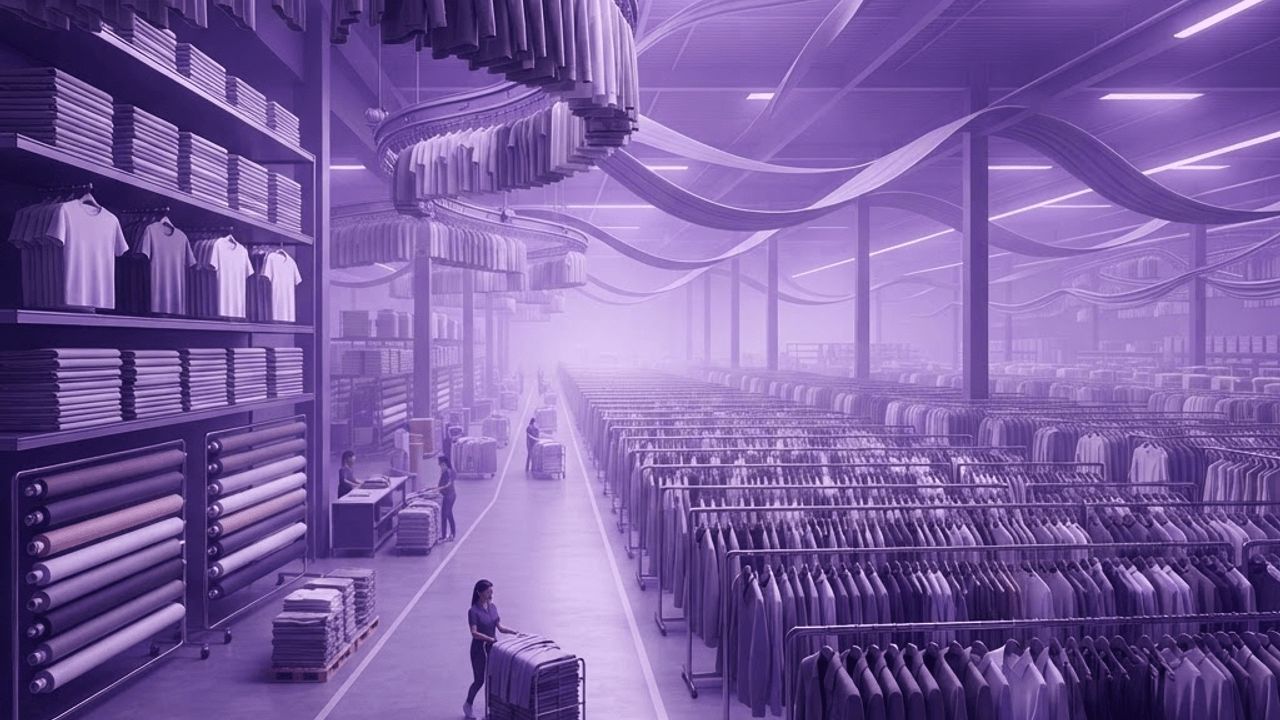
North Texas has one of the most active apparel trade markets in the country, and Grand Prairie benefits directly from that ecosystem. Its warehouse capacity, freight access and proximity to the regional apparel mart make it a practical base for wholesalers serving independent boutiques, uniform programs, screen printing businesses, online sellers and event merchandisers across Texas and the surrounding states.
The local wholesale apparel scene divides into recognizable segments. Fashion wholesalers carry trend-driven women's, men's and children's clothing in curated assortments. Blank apparel distributors supply undecorated garments to printers and embroiderers. Uniform and workwear suppliers serve businesses, healthcare and hospitality. Activewear and accessories specialists round out the market. Each segment operates on different minimums, margins and reorder rhythms, and choosing suppliers whose model matches your business is more important than chasing the lowest per-unit price.
How to Evaluate an Apparel Wholesaler
Start with minimum order requirements and pack structures. Some wholesalers sell prepacked size runs, which simplifies ordering but can leave you with sizes that do not sell in your market. Others allow open stock, letting you buy by piece and tune your size curve to actual demand. For a small boutique, open stock flexibility usually outweighs the slightly lower prepack price.
Sizing consistency is the next factor, and it is chronically underestimated. Garments from different production lots or factories can vary noticeably, generating returns and customer frustration. Ask whether the wholesaler maintains measurement specifications, whether it inspects incoming production and how it handles lots that deviate. Request samples before large commitments, and wash-test them, because shrinkage and colorfastness problems surface after purchase rather than before.
Reorder reliability determines whether you can build a business on a product. A garment that sells out and cannot be replenished creates disappointed customers. Ask which items are core program stock versus one-time buys. Finally, review return and defect policies, payment terms and how quickly orders ship, since apparel is seasonal and late delivery can eliminate an entire selling window.
The Top 10 Clothing Wholesalers in Grand Prairie
1. Prairie Apparel Wholesale
A broad-line fashion wholesaler carrying women's, men's and children's apparel in curated seasonal assortments. Prairie Apparel Wholesale offers open stock purchasing with modest minimums, making it accessible to small boutiques and online sellers. Buyers value its consistent replenishment on core items and clearly published measurement charts.
2. Lone Star Blanks and Basics
Serving screen printers, embroiderers and merchandise businesses, Lone Star Blanks and Basics stocks t-shirts, fleece, polos, headwear and bags in wide size and color ranges. Deep local inventory allows same-day pickup for rush decorating jobs, and the company provides fabric weight and shrinkage data that decorators need for accurate quoting.
3. Trinity Uniform Supply
Trinity Uniform Supply provides workwear, medical scrubs, hospitality uniforms and corporate apparel with program management for multi-location employers. Size sample kits, employee ordering support and multi-year color continuity keep uniform programs consistent as staff turn over.
4. Metroplex Activewear Distribution
Focused on performance apparel, Metroplex Activewear Distribution supplies moisture-wicking tops, leggings, compression garments and athletic accessories to gyms, teams and retailers. Technical fabric specifications and durability data support buyers who must justify performance claims to their own customers.
5. Summit Children's Clothing Wholesale
Summit Children's Clothing Wholesale carries infant, toddler and youth apparel with attention to the safety requirements specific to children's products, including fastener security and flammability compliance for sleepwear. Its assortments are built around practical, washable everyday garments rather than short-lived novelty items.
6. Crossroads Denim and Casual Wear
Specializing in denim, casual bottoms and everyday tops, Crossroads Denim and Casual Wear maintains consistent fits across production runs, which allows retailers to reorder confidently. Extended size ranges have become a significant part of its business as retailers broaden their offerings.
7. Vantage Accessories Wholesale
Vantage Accessories Wholesale supplies scarves, belts, hats, socks, bags and fashion accessories that improve retail attachment rates. Low minimums and frequent new arrivals let boutiques refresh impulse purchase displays without significant inventory risk.
8. Pioneer Western Wear Distribution
Reflecting genuine regional demand, Pioneer Western Wear Distribution wholesales western shirts, jeans, hats, belts and boots to retailers across Texas and neighboring states. Authentic construction details and durable materials distinguish its offerings from fashion imitations, which matters to customers who wear the clothing to work.
9. Skyline Outerwear and Workwear
Skyline Outerwear and Workwear supplies jackets, high-visibility apparel, flame-resistant garments and cold-weather gear for industrial and construction employers. Compliance documentation for safety-rated garments is provided with orders, which employers need for their own regulatory records.
10. Grand Prairie Closeout Apparel
Rounding out the list, Grand Prairie Closeout Apparel handles overstock, end-of-season and liquidation apparel for discount retailers and value-focused sellers. Lot manifests and condition disclosure allow buyers to assess opportunities accurately, and the channel keeps large volumes of wearable clothing in circulation.
Trends in Apparel Wholesale
Smaller, more frequent buying has become the dominant retail strategy. Rather than committing to large seasonal orders, boutiques now buy tighter assortments and reorder what sells, which rewards wholesalers holding local inventory with fast replenishment. Extended size ranges have moved from optional to expected, and suppliers offering full size curves capture more retail business as a result.
Transparency around sourcing and materials continues to grow. Customers ask about fabric composition, production location and labor practices, and retailers need suppliers who can answer credibly. Meanwhile, the practical logistics of e-commerce have pushed wholesalers toward better product photography, accurate measurement data and clean product feeds, since online sellers cannot list what they cannot describe precisely.
Building a Profitable Buying Strategy
Know your customer before you buy. The most common inventory mistake is purchasing garments the buyer personally likes rather than what the store's actual demographic wears. Track sell-through by style, size and color, then let that data drive reorders instead of intuition.
Start conservatively with new suppliers, order samples, verify quality and delivery performance, then scale. Negotiate terms once you have a track record, since payment flexibility improves cash flow more than a small unit discount. Watch total landed cost including freight and returns, and calculate margin on what actually sells rather than what you bought. Grand Prairie's clothing wholesalers offer the assortment breadth and local availability that make disciplined, data-driven buying practical for even small retail operations.