
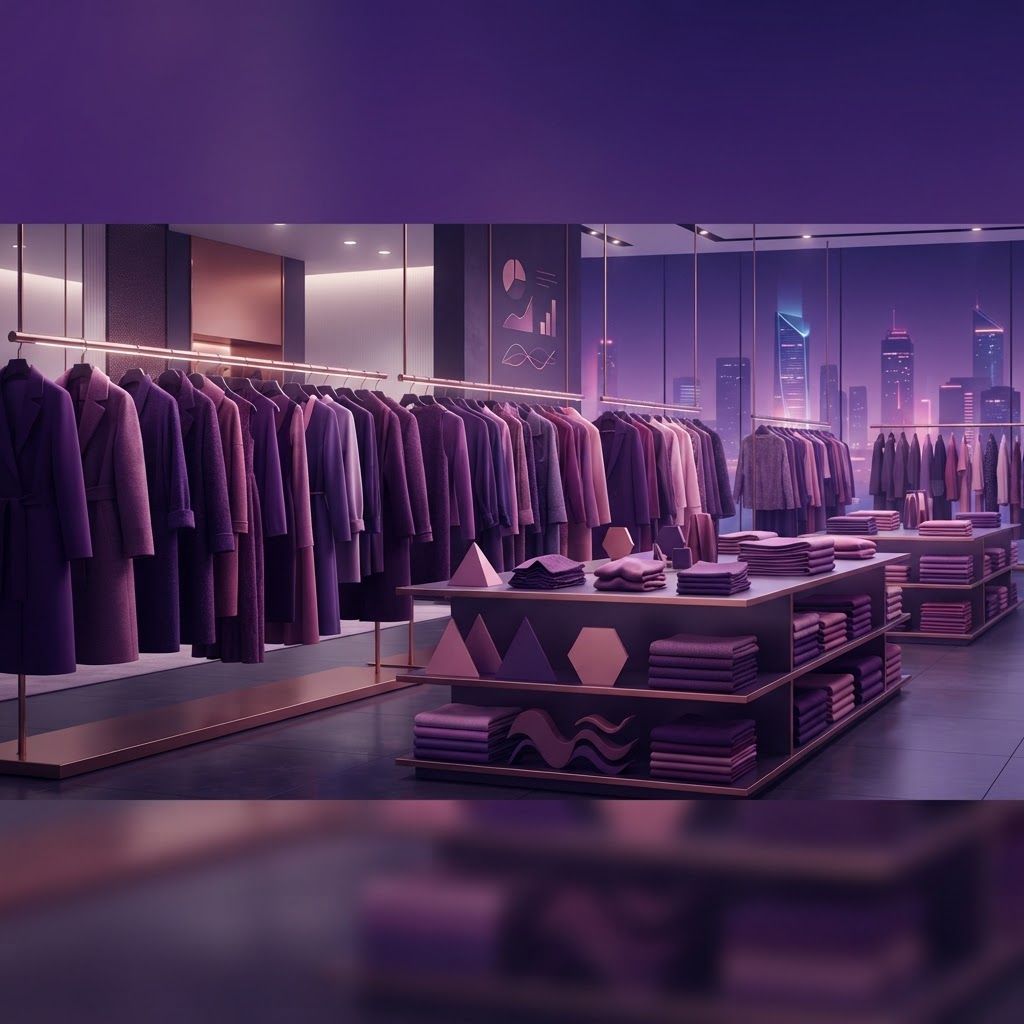
Apparel Wholesale in the Dallas Market
Dallas has long been a significant apparel wholesale center, anchored historically by its market district and supported by a dense network of importers, jobbers, and distributors. Garland businesses operate within that ecosystem, serving boutique retailers, online sellers, screen printers, promotional product companies, and uniform buyers across North Texas and beyond.
The wholesale apparel business rewards buyers who understand its rhythms. Fashion moves on seasonal calendars with buying windows months ahead of the selling season, while basics and blanks move on continuous replenishment. Confusing the two leads to either missed trends or dead inventory, and both are expensive mistakes for a small retailer.
Types of Clothing Wholesalers
Blank apparel distributors supply undecorated t-shirts, fleece, and headwear to screen printers and embroiderers, competing on availability and price. Fashion wholesalers and importers carry seasonal styles for boutiques, typically with pack minimums and limited reorder ability. Uniform and workwear suppliers serve businesses needing durable branded garments with consistent long term availability. Closeout and off price wholesalers move excess inventory at steep discounts with no reorder guarantee. Private label manufacturers and sourcing agents help brands produce their own designs at higher minimums.
Top 10 Best Clothing Wholesalers in Garland
1. Metroplex Blank Apparel
A blanks distributor stocking major t-shirt and fleece brands in depth, serving screen printers and embroiderers with same day pickup and next day regional delivery.
2. Lone Star Boutique Wholesale
Fashion forward women's apparel sold in prepacked assortments to boutique retailers, with seasonal line releases and showroom appointments.
3. Garland Uniform Supply
Workwear and uniform programs for healthcare, hospitality, and industrial employers, including decoration, sizing sets, and managed reorder programs.
4. Trinity Import Apparel
An importer carrying basics and casual apparel at aggressive price points, oriented toward volume buyers who can commit to case quantities.
5. Northgate Kids and Family
Children's and family apparel wholesale covering everyday basics, seasonal outerwear, and character licensed goods for independent retailers.
6. Apex Activewear Distribution
Performance and athleisure apparel wholesale serving gyms, teams, and retailers, with technical fabric options suited to decoration.
7. Cedar Ridge Closeouts
Off price and closeout apparel inventory sold by the lot, priced for discount retailers and online resellers comfortable with variable assortments.
8. Vertex Private Label
Private label development and sourcing for emerging brands, handling tech packs, sampling, and production coordination at moderate minimums.
9. Shiloh Denim and Casual
Specializes in denim and casual bottoms across fits and washes, with size run packs designed for small retail assortments.
10. Redline Accessories and Headwear
Hats, bags, socks, and accessories wholesale, positioned as an add on category for retailers and decorators building complete offerings.
How to Evaluate a Clothing Wholesaler
Minimum order requirements shape whether a supplier fits your business. Some wholesalers sell by the piece, others require prepacked size runs, and importers may require case or container quantities. Prepacks force you to accept sizes you may not sell, so calculate cost per sellable unit rather than cost per piece.
Quality consistency deserves physical verification. Order samples and inspect fabric weight, stitching, sizing accuracy against the stated size chart, and colorfastness after washing. Sizing inconsistency drives returns, which for online sellers can erase the margin on an entire style.
Reorder reliability separates dependable suppliers from opportunistic ones. If a style sells well, can you get more, and how quickly? Fashion wholesalers often cannot reorder, while blanks distributors compete on exactly that capability. Know which you are dealing with before you build a business around a style.
Terms and logistics affect real economics. Confirm payment terms, freight cost and who arranges it, return policy on defects, and typical shipping time. Ask whether the wholesaler sells directly to consumers or to competing retailers in your area, since channel conflict undermines your positioning.
Building a Buying Strategy
Balance basics against fashion. Basics carry lower margin but predictable sell through and reorder ability, while fashion carries higher margin and higher markdown risk. Most successful small retailers anchor inventory in basics and use fashion selectively.
Buy narrow and deep rather than broad and shallow when testing a supplier. A small number of styles in adequate size depth tells you more about sell through than one piece of everything.
Track sell through by style and supplier so buying decisions rest on data rather than impression. The supplier whose goods move fastest deserves more of your open to buy budget regardless of how appealing the line sheets look elsewhere.
Final Thoughts
Clothing wholesalers serving Garland cover blanks, fashion, uniforms, closeouts, and private label. Buyers succeed by matching supplier type to their business model, sampling before committing, understanding reorder limitations up front, and measuring sell through honestly. In apparel, disciplined buying protects margin far more effectively than aggressive negotiating.