
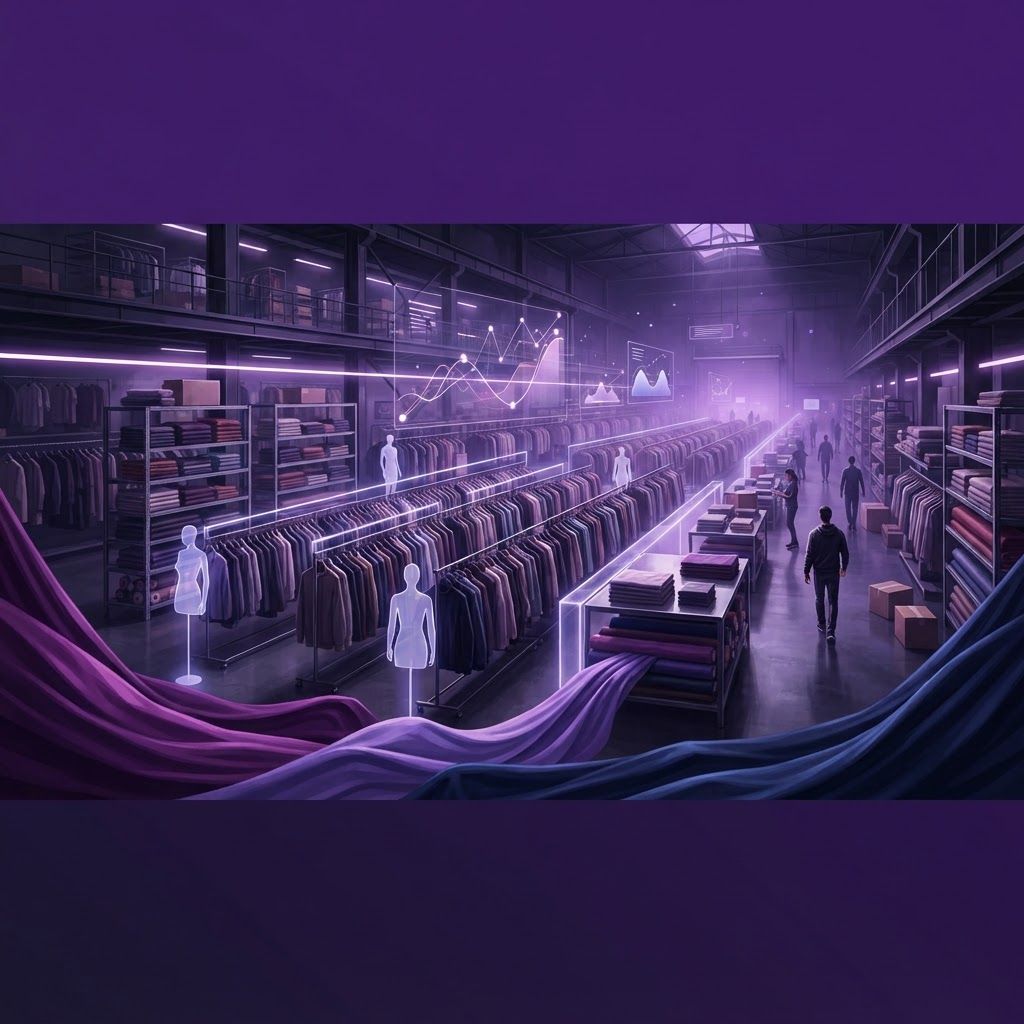
Apparel Wholesale in a Border City
Brownsville occupies an unusual position in apparel distribution. It serves a local retail market, a substantial cross-border shopping economy, and a regional network of boutiques and uniform programs throughout the Rio Grande Valley. That combination supports wholesalers carrying everything from fast-fashion basics to workwear and specialty garments.
Cross-border trade shapes the market in specific ways. Wholesalers here understand customs documentation, duty considerations, and the preferences of shoppers who travel from northern Mexico. Many maintain bilingual sales teams and pricing structures designed for buyers purchasing in quantity for resale.
What Retail Buyers Should Evaluate
Quality consistency is the foundation. A wholesaler whose garments vary in sizing, stitching, or fabric weight between shipments creates returns and customer dissatisfaction that erase margin quickly. Asking for samples from actual production lots, not showroom pieces, is a practical safeguard.
Beyond quality, buyers should assess minimum order quantities, restocking speed on proven sellers, and whether the wholesaler offers assortment flexibility. Ethical sourcing has also become a real purchasing factor, with retailers increasingly asking about factory conditions and material origins.
1. Rio Grande Apparel Wholesale
Rio Grande Apparel Wholesale carries a broad line of everyday clothing for men, women, and children. Its buying team refreshes assortments frequently, which helps boutique clients keep displays current without large seasonal commitments.
2. Brownsville Fashion Distributors
Brownsville Fashion Distributors focuses on trend-driven women's apparel and accessories. The company works on short cycles, bringing in current styles quickly so independent boutiques can compete with larger chains on newness.
3. Gateway Uniform and Workwear Supply
Gateway Uniform and Workwear Supply provides industrial uniforms, medical scrubs, hospitality attire, and safety garments. Customization services including embroidery and screen printing let employers outfit teams with consistent branding.
4. Frontera Denim and Casual Wear
Frontera Denim and Casual Wear specializes in jeans, casual pants, and everyday basics across a wide size range. Consistent fit across production runs is a point of emphasis, which matters enormously in denim retail.
5. Valley Children's Clothing Wholesale
Valley Children's Clothing Wholesale supplies infant, toddler, and youth apparel. Safety considerations such as secure fastenings and appropriate fabric treatments guide product selection alongside style and price.
6. Southmost Activewear Distribution
Southmost Activewear Distribution carries athletic apparel, performance fabrics, and athleisure products. Growing interest in comfortable, versatile clothing has expanded this category well beyond traditional sporting goods retail.
7. Cameron Western Wear Wholesale
Cameron Western Wear Wholesale distributes boots, hats, shirts, and western-styled apparel that remain strong sellers throughout South Texas. Authenticity of construction, particularly in boots and leather goods, defines its buying standards.
8. Laguna Swimwear and Resort Apparel
Laguna Swimwear and Resort Apparel serves coastal retailers and resort shops with swimwear, cover-ups, and warm-weather clothing. Its seasonal planning helps beach-market retailers stock ahead of peak demand periods.
9. Port Brownsville Textile Imports
Port Brownsville Textile Imports operates at container scale, supplying larger retailers and secondary wholesalers. Logistics coordination and customs expertise are central to the company's service model.
10. Border Bridal and Formal Wear Wholesale
Border Bridal and Formal Wear Wholesale supplies bridal gowns, formal dresses, and special occasion attire to boutiques across the region. Careful handling, garment protection, and made-to-order coordination distinguish this specialized category.
Trends Shaping Apparel Wholesale
Inventory discipline has become the dominant theme. After years of overstock cycles, retailers are buying smaller quantities more frequently, which pushes wholesalers to hold inventory and support rapid reorders rather than requiring large upfront commitments.
Sustainability is reshaping sourcing conversations, with growing demand for organic fibers, recycled materials, and transparent supply chains. Size inclusivity has expanded as well, with retailers requiring broader size ranges as standard rather than as a separate specialty line. Finally, digital catalogs and virtual showrooms have made it practical for buyers to review assortments without traveling.
How to Choose a Clothing Wholesaler
Start with a small test order to evaluate garment quality, packaging, and fulfillment accuracy. Clarify return policies for defective goods and how the wholesaler handles size run imbalances. Understand reorder lead times on best sellers, since the ability to restock a proven item quickly is often more valuable than access to a wide initial assortment. Finally, negotiate terms transparently, including freight, payment timing, and any exclusivity arrangements within your trade area.
Building a Profitable Assortment
Successful apparel retailing depends less on finding unique items than on constructing a balanced assortment. Core basics generate steady turnover and predictable margin. Seasonal and trend pieces create newness that brings customers back. Size curves must reflect the actual local customer base rather than a generic distribution, or the store ends up with unsold extremes and constant shortages in the middle sizes.
Good wholesalers help with this. Those who track what sells across their accounts can advise retailers on proven items and warn against pieces that photograph well but move slowly. That guidance is often worth more than a small price advantage.
Seasonal Planning in a Warm Climate
South Texas apparel retailing does not follow the national seasonal calendar. Heavy outerwear has a short and unreliable window, while lightweight fabrics, breathable construction, and sun protection sell nearly year-round. Wholesalers based in the region understand this and stock accordingly, which is a real advantage over distant suppliers pushing assortments designed for colder markets.
Holiday and event-driven demand is significant as well. Graduations, quinceañeras, weddings, and religious celebrations create predictable spikes in specific categories, and retailers who plan inventory around the local event calendar consistently outperform those following generic retail timelines.
Final Thoughts
Brownsville's clothing wholesalers cover fashion, workwear, children's apparel, activewear, western wear, and formal categories. For retailers who value quick restocking, quality consistency, and bilingual cross-border service, the local wholesale market offers meaningful advantages over distant suppliers.