
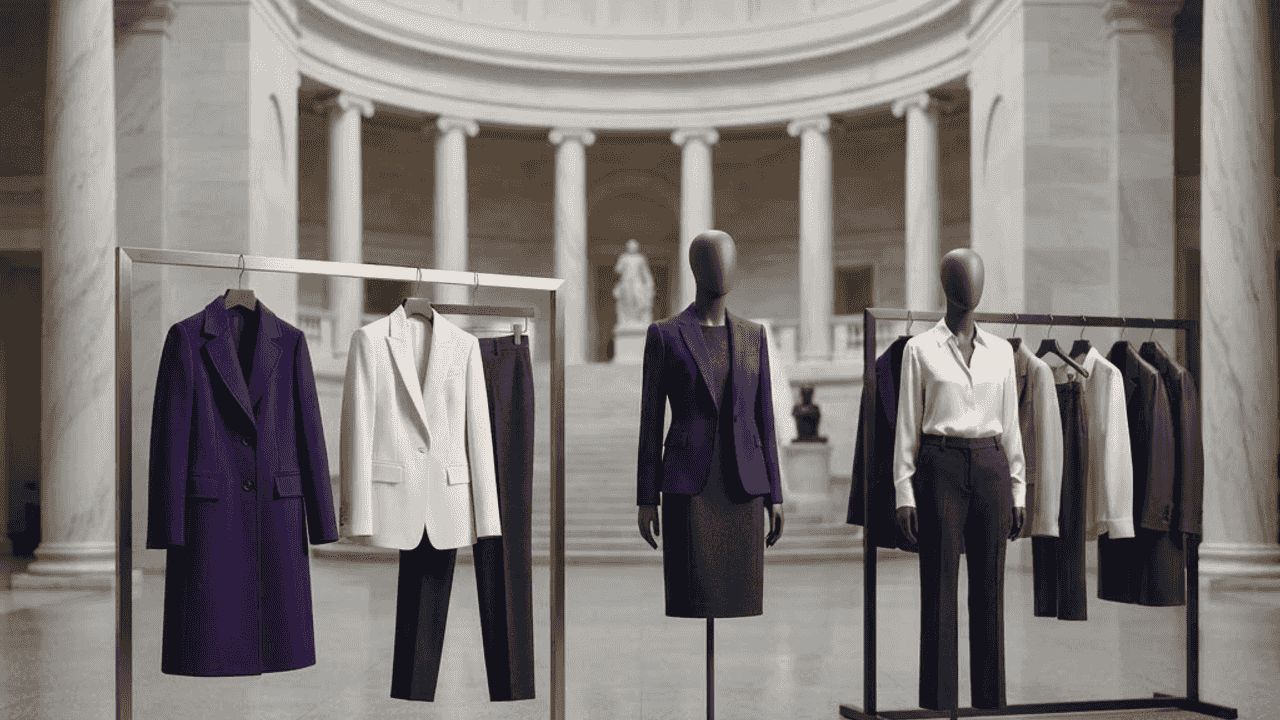
Dressing for Life in Washington, DC
Washington wardrobes must move easily among professional offices, receptions, museums, neighborhood restaurants, weekend travel, and humid summer streets. The city remains more tailored than many American markets, yet dress codes have broadened. Refined separates, comfortable shoes, breathable fabrics, and adaptable layers now matter as much as a traditional suit. Buyers also increasingly examine material quality, supply-chain transparency, repairability, and cost per wear.
This guide highlights widely recognized brands accessible to Washington shoppers through local retail destinations and major shopping districts. It is not a universal ranking: fit, workplace culture, style, and budget should drive the final choice. Collections change seasonally, so examine each garment’s fabric and construction rather than relying on a label alone.
1. Ralph Lauren
Ralph Lauren offers a broad interpretation of American style, from casual polos and knitwear to tailored clothing and evening pieces. Washington shoppers may appreciate how easily its classic colors and shapes integrate into professional and weekend wardrobes. The range spans multiple lines and price points, making fabric and construction comparisons important. Its strongest pieces often deliver longevity when chosen for fit rather than visible branding.
2. Brooks Brothers
Brooks Brothers has a historic connection to American professional dress and remains relevant for shirts, suits, blazers, knitwear, and traditional accessories. It can serve government, legal, policy, and business professionals seeking conservative foundations. Modern buyers need not adopt a complete uniform; an oxford shirt, navy jacket, or fine-gauge sweater can anchor more contemporary combinations. Alterations are essential for tailored pieces.
3. Theory
Theory is known for minimal, polished separates in streamlined silhouettes. Trousers, jackets, knitwear, and dresses can create a flexible office capsule without excessive ornament. This makes the brand attractive for Washington professionals who move between formal meetings and business-casual environments. Neutral styling improves versatility, though customers should assess fabric durability and care requirements before building a rotation.
4. J.Crew
J.Crew blends American casual references with approachable tailoring, color, and seasonal pieces. Its chinos, shirts, suiting, knits, and outerwear can support both office and off-duty outfits. The brand is useful for shoppers who enjoy mixing classic items with current proportions. Because fit and fabric vary across collections, trying pieces in person and watching garment measurements is more reliable than ordering by habitual size.
5. Banana Republic
Banana Republic has shifted toward elevated fabrics, relaxed tailoring, and travel-inspired design. Washington customers may find its coordinated separates useful for presentations, dinners, and hybrid workplaces. Linen, wool, suede, and structured outerwear can add texture to a restrained wardrobe. The key is selecting pieces that work in several combinations instead of buying a single styled look.
6. Everlane
Everlane focuses on modern essentials, including denim, knitwear, shirts, trousers, and simple outerwear. The restrained palette can help shoppers create a repeatable capsule suited to commuting and casual offices. Its public emphasis on sourcing has also attracted customers who want more information about production. Buyers should still evaluate each product individually for fit, fiber content, and expected wear.
7. Patagonia
Patagonia is an outdoor brand, but its durable layers are useful for Washington’s parks, bike commutes, rainy days, and regional weekend trips. Fleece, shells, insulated jackets, and casual basics complement rather than replace professional clothing. The company’s repair and environmental initiatives are notable differentiators. Technical garments perform best when buyers understand waterproofing, insulation, breathability, and intended activity.
8. Barbour
Barbour’s waxed and quilted jackets provide a recognizable blend of rural utility and city practicality. They suit Washington’s transitional seasons and pair naturally with business-casual clothing. A waxed jacket requires occasional care, but the material develops character and may remain useful for years. Shoppers should choose weight and fit based on layering plans rather than appearance alone.
9. Vince
Vince specializes in understated luxury, soft knitwear, fluid separates, and clean casual clothing. It can appeal to Washington shoppers who prefer quiet design and tactile materials over conspicuous logos. Fine fabrics require attention to cleaning and storage, so the long-term routine should fit the buyer’s lifestyle. Carefully selected knitwear or outerwear can elevate simpler wardrobe foundations.
10. Uniqlo
Uniqlo delivers functional basics, compact outerwear, knitwear, and heat- or moisture-oriented layers at accessible prices. These pieces can fill practical gaps in a Washington wardrobe, especially for seasonal layering and commuting. Simple design makes them easy to combine with premium garments. Customers should inspect fabric opacity, drape, and sizing, which can differ by collection and silhouette.
Building a Smarter Capital Wardrobe
Begin with actual weekly activities. A useful core might include two jackets, coordinated trousers, breathable shirts, fine knits, dark denim, weather-ready outerwear, and shoes appropriate for walking. Washington summers reward linen blends, tropical wool, and washable fabrics; winters call for layers that manage overheated interiors. A tailor can improve the appearance of moderate-priced clothing more than an expensive label in the wrong size.
Consider cost per wear, but do not confuse high price with automatic quality. Inspect seams, pattern alignment, buttons, zippers, lining, fiber composition, and care instructions. Avoid buying duplicates that serve the same narrow purpose. The best clothing brands for Washington are those that help a person look credible, feel comfortable, and transition through the city’s many settings without treating every invitation as a completely new wardrobe problem.