
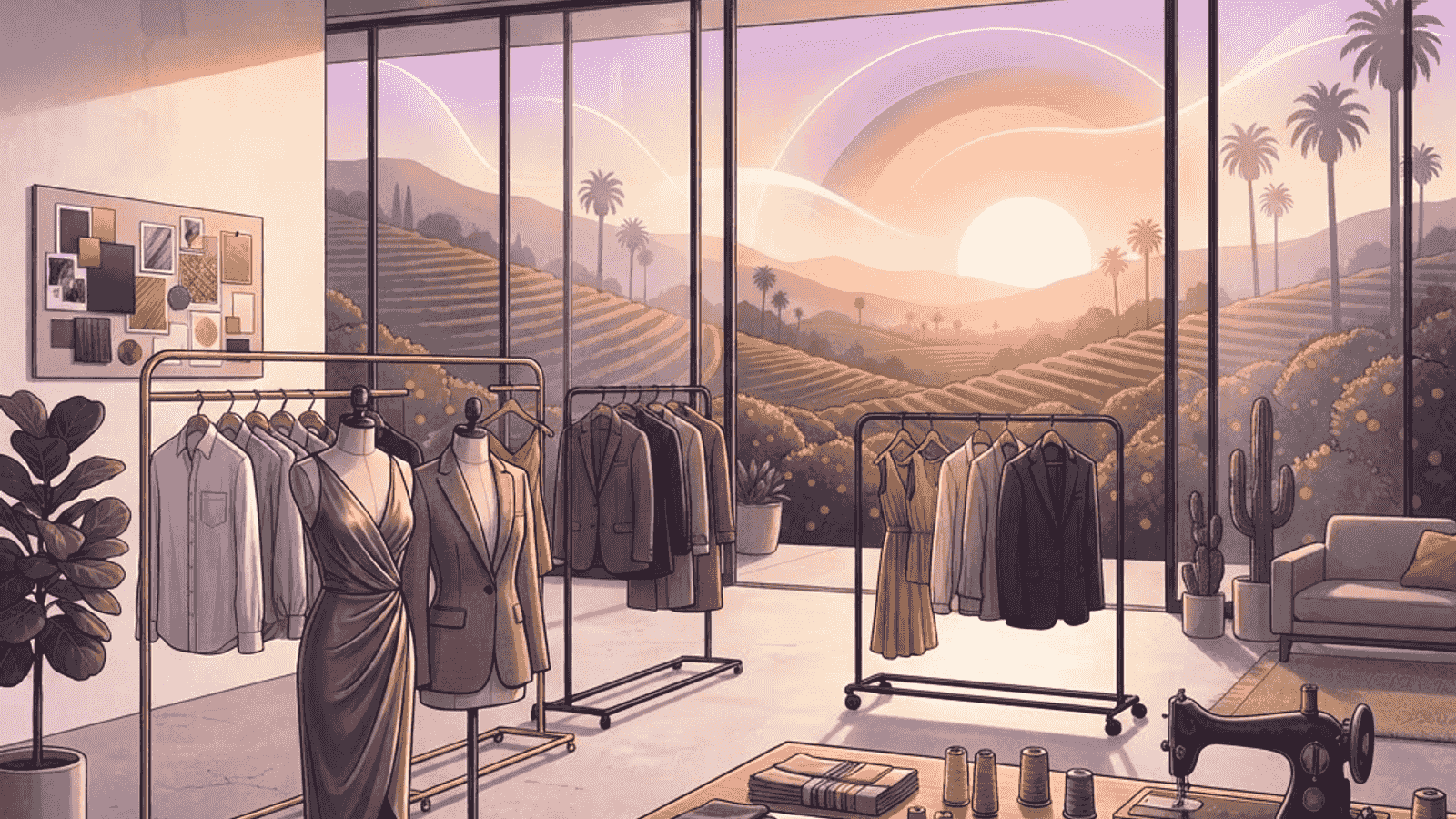
Riverside Style and the Inland Empire
Riverside occupies an interesting position in California fashion. It is unmistakably Southern Californian in its casual sensibility, shaped by heat that runs from spring through October and a lifestyle organized around outdoor activity. But the Inland Empire has developed a distinct identity separate from Los Angeles: less industry-oriented, more community-rooted, with strong Latino cultural influence and a substantial university population from UC Riverside contributing to a market that rewards authenticity over trend-chasing. The result is a clothing scene where independent labels genuinely compete, and where practical considerations like heat management and durability shape design decisions.
How to Evaluate a Clothing Brand
Fabric composition tells you most of what you need to know. Natural fibers breathe better in Inland Empire heat, while quality synthetic blends offer durability and shape retention. Check seam construction, particularly whether stress points are reinforced. Assess fit consistency across a brand's sizing, since inconsistency signals loose manufacturing quality control. For sustainability claims, look for specific certifications rather than vague language about being eco-friendly. Consider price per wear rather than purchase price, because a well-made garment worn a hundred times costs less per use than a cheap one discarded after ten.
Top 10 Best Clothing Brands in Riverside
1. Citrus Belt Apparel
Named for the region's agricultural heritage, Citrus Belt Apparel produces casual staples in breathable cotton and linen blends designed specifically for Inland Empire heat. Their approach emphasizes durability and timeless cuts over seasonal trends, with reinforced construction at stress points. Local design and regional manufacturing keep production oversight close, and their graphics reference Riverside history without descending into tourist souvenir territory.
2. Inland Empire Streetwear Collective
Streetwear has strong roots in the region, and this label produces graphic tees, hoodies, and caps with designs drawn from local culture rather than imported aesthetics. Heavyweight cotton and quality screen printing mean graphics survive repeated washing. Limited drops create genuine scarcity while keeping inventory risk manageable, and their collaborations with local artists channel money back into the creative community.
3. Mission Inn Heritage Clothing
Drawing on Riverside's distinctive architectural and historical identity, this brand produces refined casual wear including button-downs, chinos, and lightweight outerwear. Construction quality is a priority, with attention to fabric weight appropriate for a climate where genuine cold weather is brief. Their pieces work across the surprisingly wide range of occasions that Southern California professional life requires, from office to evening.
4. Santa Ana River Outdoor Wear
Trail access, cycling, and hiking are central to Riverside recreation, and this brand focuses on technical outdoor apparel suited to hot, dry conditions. Sun protection fabrics, moisture management, and lightweight layering address real requirements rather than aspirational mountaineering scenarios. Durability against abrasion from chaparral and rock matters more here than extreme cold performance, and their design reflects that honestly.
5. UCR Campus and Collegiate Apparel
University-affiliated clothing serves a large and consistent market. This label produces licensed collegiate wear with better fabric quality and fit than typical campus bookstore merchandise. Their range spans everyday tees and fleece to game day pieces. For students, alumni, and families, the combination of institutional pride and genuine wearability outperforms the stiff, boxy garments that dominate licensed apparel generally.
6. Valle Verde Sustainable Fashion
Environmental considerations carry real weight with younger Riverside consumers. Valle Verde Sustainable Fashion works with organic cotton, recycled fibers, and low-impact dyes, and publishes specifics about their supply chain rather than making unverifiable claims. Their garment repair program extends product life meaningfully. Higher price points reflect actual production costs, and they explain that pricing transparently rather than obscuring it.
7. Riverside Workwear Company
The region's substantial logistics, construction, and agricultural employment creates demand for genuinely durable work clothing. This brand produces reinforced pants, work shirts, and hi-visibility garments built for heat, since standard heavy workwear becomes dangerous in triple-digit temperatures. Ventilated designs and moisture-managing fabrics address heat illness risk, a serious occupational concern in Inland Empire summers.
8. Orange Grove Vintage and Reworked
Secondhand and reworked clothing has become a legitimate fashion channel rather than a budget compromise. This brand sources vintage pieces and reconstructs garments into new designs, producing genuinely one-of-a-kind items with substantially lower environmental impact than new production. Their curation skill separates them from generic thrift resale, and quality of alteration work determines whether reworked pieces read as intentional or improvised.
9. Casa Blanca Activewear
Fitness culture is strong throughout the region, and this brand produces leggings, sports bras, shorts, and tops with attention to compression, opacity, and seam placement that prevents chafing. Fabric performance in heat receives priority over cold weather features. Their inclusive size range addresses a persistent gap in activewear, and fit consistency across sizes reflects genuine pattern development rather than simple grading.
10. Alessandro Heights Tailoring and Custom Clothing
Rounding out the list, custom and made-to-measure clothing addresses fit problems that no off-the-rack garment solves. This atelier produces suits, shirts, and alterations with attention to Southern California climate, favoring lighter weights and half-canvas or unlined construction. For professionals, wedding parties, and anyone whose proportions defy standard sizing, the fit difference is immediately visible and justifies the investment.
Trends in Regional Fashion
Heat adaptation is driving genuine design innovation as summers lengthen, with breathable construction and sun protection becoming standard rather than specialized. Secondhand and resale channels continue growing rapidly, particularly among younger consumers who treat vintage as a primary rather than supplementary source. Direct-to-consumer models let small labels reach customers without wholesale gatekeeping, though customer acquisition costs have risen sharply. Size inclusivity has moved from marketing gesture to genuine pattern development at brands doing it seriously. Local manufacturing has gained modest ground as brands seek supply chain control.
Buying Guidance
Read fabric composition labels before buying, and favor breathable fibers for the majority of the year. Try on when possible, since sizing varies dramatically between brands. Inspect seams, buttonholes, and stress points for construction quality. Ask sustainable brands specific questions about their supply chain and note whether they answer concretely. Support local labels directly rather than through marketplaces where possible, as margins matter enormously for small producers. Care for garments properly, since washing practices affect lifespan more than most buyers realize.
Final Thoughts
Riverside's clothing brands reflect a region confident in its own identity, producing streetwear, heritage casual, technical outdoor apparel, heat-adapted workwear, and genuine custom tailoring. Buying well here means prioritizing fabric and construction over trend, and supporting the independent labels that keep the local creative economy alive. Price per wear, not price tag, is the number that matters.