
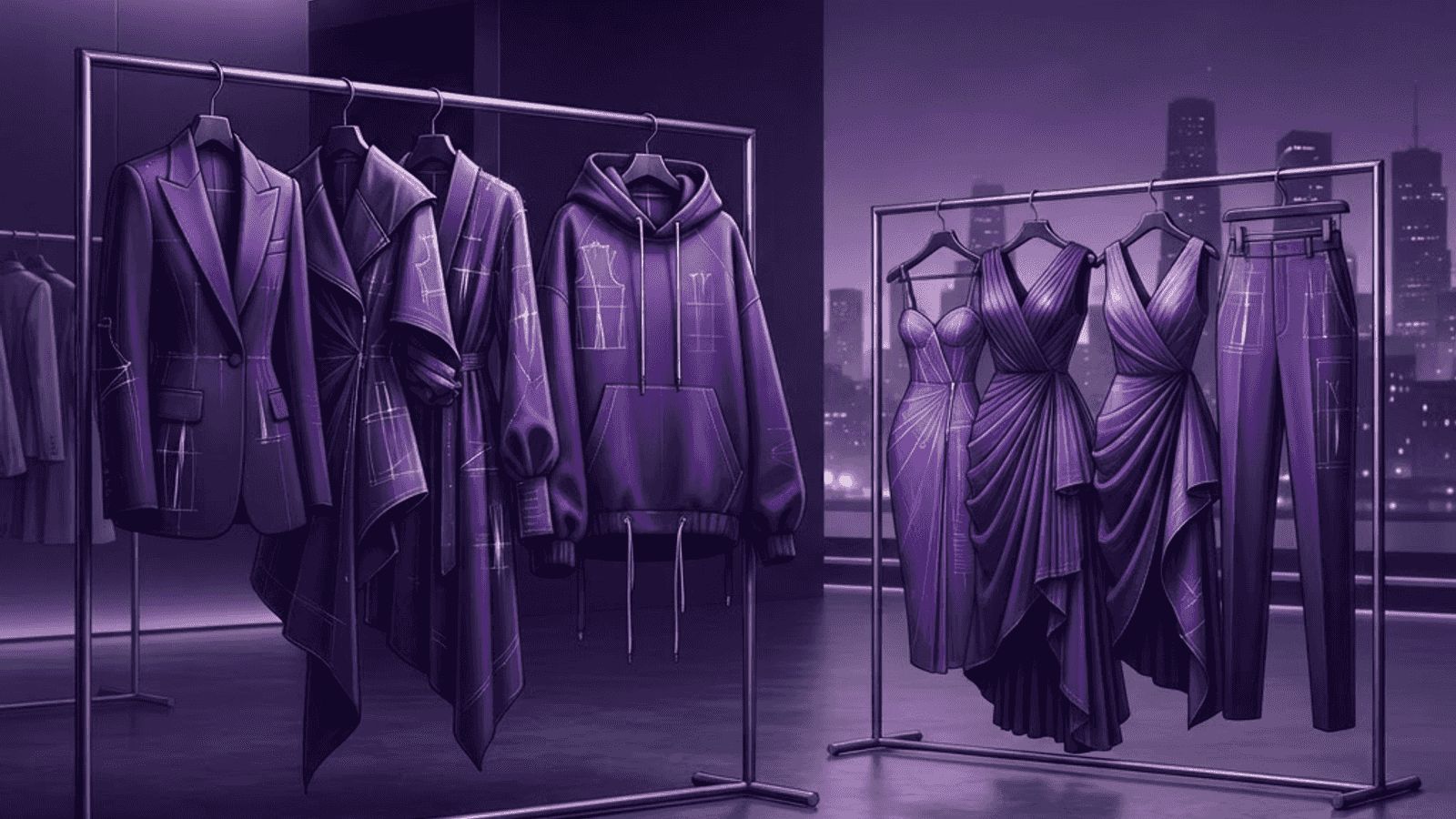
Apparel Culture in Newark
Newark occupies an interesting position in American apparel. It sits within one of the world's great fashion metropolitan areas while maintaining a distinctly independent identity, shaped by a diverse population, a long manufacturing and port history, and a street culture that has influenced style well beyond New Jersey. The result is a clothing market where high-end tailoring, functional workwear and expressive streetwear coexist comfortably.
Several structural factors support local brands. The city's proximity to garment production, textile suppliers and distribution infrastructure lowers barriers for small labels. Its immigrant communities have sustained tailoring, alterations and traditional garment skills across generations. And a young, style-conscious population supported by several universities creates receptive demand for independent labels rather than only national chains.
Ten Clothing Brands to Know
1. Ironbound Apparel Company produces durable everyday basics with heavyweight cotton and reinforced construction, drawing on the neighborhood's industrial character and appealing to buyers who prioritize longevity.
2. Brick City Streetwear creates graphic-driven collections rooted in local visual culture, releasing limited runs that build community around each drop rather than maintaining continuous inventory.
3. Passaic Tailoring House offers made-to-measure suiting and alterations, continuing a hand-finishing tradition that produces fit quality mass production cannot match.
4. Weequahic Knitwear focuses on sweaters, cardigans and knit layers using natural fibers, with construction detail such as fully fashioned shoulders that improves drape and durability.
5. Newark Denim Works specializes in raw and selvedge denim with repair services, positioning jeans as long-term garments rather than seasonal purchases.
6. Broad Street Outerwear designs coats and jackets suited to Northeast winters, balancing insulation performance with tailored silhouettes appropriate for professional wear.
7. Gateway Athletic Wear produces performance apparel for training and team use, with moisture management fabrics and construction tested for repeated laundering.
8. Halsey Street Atelier creates small-batch womenswear with an emphasis on pattern making and fit across a genuine size range, filling a gap between fast fashion and designer pricing.
9. Portside Workwear Supply serves trades and logistics workers with hardwearing pants, shirts and high-visibility garments built for daily industrial use.
10. Newark Heritage Uniform Company completes the list, producing school, hospitality and corporate uniforms with customization, fit ranges and reorder consistency.
Trends Shaping the Clothing Market
Durability has re-emerged as a selling point after years of disposable fashion. Buyers increasingly ask about fabric weight, stitch density and repairability, and brands offering repair services signal genuine confidence in their construction. This aligns with the broader move toward buying fewer, better garments.
Local and domestic production has gained appeal, partly for supply chain reliability and partly because shorter runs allow responsive design. Small brands producing regionally can test a style, adjust fit based on feedback and reorder quickly, an agility large importers lack.
Size inclusivity and genuine fit engineering have become competitive differentiators. Grading a pattern properly across a wide size range requires real technical work rather than simple scaling, and brands that invest in it earn strong loyalty. Direct-to-consumer channels, pop-up retail and limited drops continue to shape how independent labels reach customers without traditional wholesale.
How to Judge Clothing Quality
Examine construction before branding. Look at seam allowance, whether seams are finished or serged raw, stitch consistency, and whether patterns align at seams. Check that buttonholes are cleanly cut and reinforced, and that zippers operate smoothly under slight tension.
Fabric weight and fiber content tell much of the story. Heavier cotton jersey resists stretching out; tightly woven shirting resists wear at collar and cuff; natural fibers generally breathe better while blends can improve recovery and wrinkle resistance. Reading the composition label is a quick filter that eliminates many disappointing purchases.
Fit deserves priority over trend. A moderately priced garment altered to fit properly looks better than an expensive one that does not, which is why access to good tailoring, plentiful in Newark, effectively raises the value of every purchase. Finally, ask about care requirements honestly, since a garment requiring dry cleaning after every wear may not suit a practical wardrobe.
Building a Wardrobe That Lasts
The most economical approach is to invest in the pieces worn most often, typically outerwear, denim, knitwear and footwear, while spending less on items worn occasionally. Neutral, well-constructed foundations combine easily and outlast trend-driven purchases, and adding expressive pieces from local streetwear labels keeps a wardrobe personal without destabilizing it.
Newark's brands offer an unusually good range across that spectrum, from industrial-grade workwear to hand-finished tailoring. Buyers who evaluate construction, prioritize fit and use local alteration expertise get considerably more value from the market than those shopping on label recognition alone.
Care practices extend garment life substantially and cost almost nothing. Washing in cooler water, turning printed garments inside out, avoiding overloaded machines and air drying knitwear all prevent the shrinkage, pilling and fading that make clothes look old before they are worn out. Storing sweaters folded rather than hung preserves shoulder shape, and rotating heavily worn items gives fabric time to recover between wears. Simple repairs, replacing a button, closing a small seam split, patching a knee, keep items in circulation for years longer. For shoppers supporting Newark's independent labels, that care discipline also protects the investment made in genuinely better construction, which is the entire argument for buying from them in the first place.