
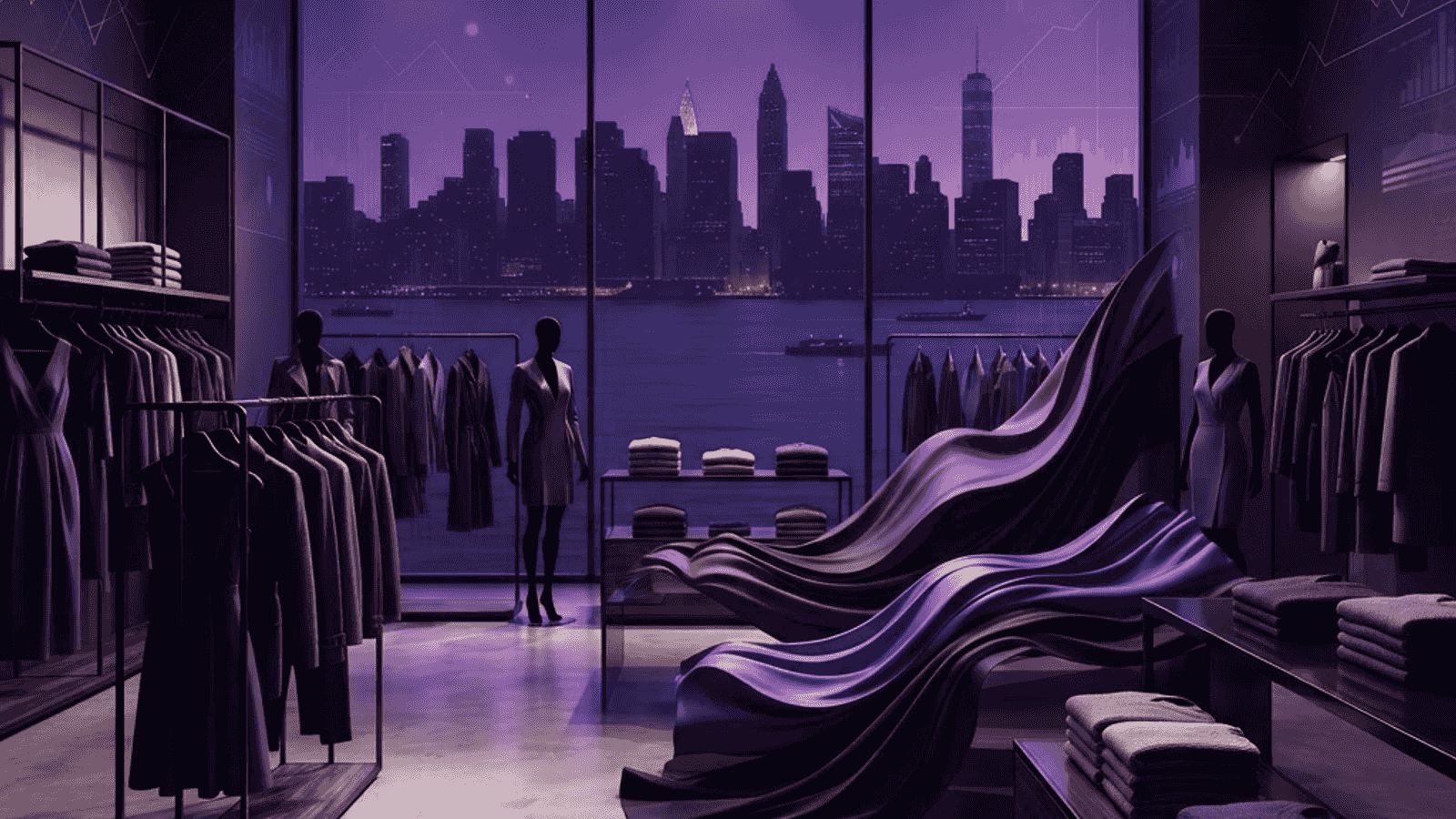
A Fashion Market With Its Own Identity
Jersey City sits minutes from Manhattan by train, which could have made it a fashion suburb. Instead it developed something more interesting. The city's remarkable diversity, its concentration of finance and technology professionals, its artist communities in converted industrial buildings, and its dense walkable neighborhoods have produced a market that buys differently than its neighbor across the Hudson. Practicality matters here. Clothing has to survive a commute, a work environment and a weekend without requiring three wardrobes.
The retail landscape reflects that. National brands with strong essentials programs perform extremely well, while local independent labels have found room by serving specific communities and aesthetics that mass retail overlooks. Understanding both halves of that market is necessary to shop the city well.
How to Judge a Clothing Brand
Beyond design, the measures that matter are fabric composition and weight, construction details like seam finishing and reinforcement at stress points, fit consistency across production runs, size range inclusivity, and honesty about materials and manufacturing. Price tells you relatively little; a well-constructed mid-price garment often outlasts a designer piece made from lightweight blended fabric. Longevity per dollar is the honest metric.
The Top 10 Clothing Brands in Jersey City
1. Uniqlo
Uniqlo has become a wardrobe foundation for Jersey City commuters through technical basics that solve real problems: lightweight down for transit-heavy winters, breathable synthetics for humid summers, and consistently sized cotton essentials at accessible prices. The brand's fabric engineering is genuinely differentiated, and its fit tends to suit a wide range of body types.
2. Levi's
Denim remains the backbone of American casual dressing, and Levi's holds that position in Jersey City through fit variety, durability and a resale ecosystem that keeps vintage pieces circulating. The brand's move toward water-reduction manufacturing has also given environmentally conscious shoppers a reason to choose it deliberately.
3. Everlane
Everlane built its following on supply chain transparency and clean minimal design, and it resonates strongly with the city's professional demographic. Its cotton basics, wool knits and workwear-adjacent trousers fit the hybrid office culture that now defines much of the Hudson waterfront employment base.
4. Carhartt
Originally workwear, Carhartt has crossed fully into everyday dressing without losing durability. In a city with substantial construction and trades employment alongside creative professionals who adopted the aesthetic, the brand occupies an unusual position where authenticity and fashion overlap without contradiction.
5. Journal Square Apparel Collective
Representing the city's independent design community, this collective label produces limited-run pieces referencing Jersey City geography, transit culture and immigrant heritage. Locally designed and small-batch produced, it has become a way residents signal genuine local identity rather than borrowed New York cachet.
6. Zara
Fast fashion's dominant player performs strongly here because it delivers current silhouettes quickly at moderate prices, particularly in tailored pieces and outerwear. Shoppers who focus on its structured items in heavier fabrics rather than its thinnest offerings can extract genuine value from the range.
7. Madewell
Madewell has cultivated a following through denim fit expertise and relaxed elevated basics. Its sizing consistency and generous alteration-friendly construction appeal to shoppers building a wardrobe deliberately rather than seasonally, and its denim recycling program has resonated locally.
8. Bergen Street Tailoring and Bespoke
Custom and made-to-measure clothing has quietly grown as remote work reduced suit volume but raised expectations for the suits people do wear. This local operation offers bespoke shirting, suiting and alterations, providing something no mass brand can: garments cut for one specific body.
9. Patagonia
Technical outerwear designed for durability and repairability has strong appeal in a city where walking and transit expose people to weather daily. Patagonia's repair program and environmental positioning have made it a values purchase as much as a functional one, and its fleece and shells are ubiquitous from October through April.
10. Newport Street Streetwear
The local streetwear scene, anchored by independent shops and small labels, produces graphic apparel, limited drops and collaborations tied to the city's music and skate communities. These brands operate on scarcity and cultural specificity rather than scale, and they have become an important entry point for young designers.
Trends Shaping Jersey City Fashion
Resale and vintage have become mainstream rather than alternative, with consignment and thrift shopping serving both budget and sustainability motivations across income levels. Wardrobe consolidation has continued as hybrid work blurred the line between office and casual dressing, favoring garments that work in both contexts. Material transparency now influences purchasing decisions meaningfully, with shoppers checking composition labels for synthetic content. And local manufacturing, though small in volume, has gained cultural weight as consumers seek alternatives to opaque global supply chains.
Shopping Smarter
Check fabric composition before price. Natural fibers and high-quality blends age better and feel better in humid summers than inexpensive polyester. Examine seams, buttonhole finishing and lining quality, which reveal construction shortcuts quickly. Buy for the life you actually live, accounting for commute conditions and laundry habits. Budget for alterations, because a moderately priced garment tailored properly outperforms an expensive one that fits poorly. And explore the independent labels, because they are where the city's own aesthetic actually originates.
Jersey City rewards shoppers who look past the obvious. Between well-engineered global basics and genuinely local design, it is possible to build a wardrobe here that neither Manhattan nor the suburbs could produce.