
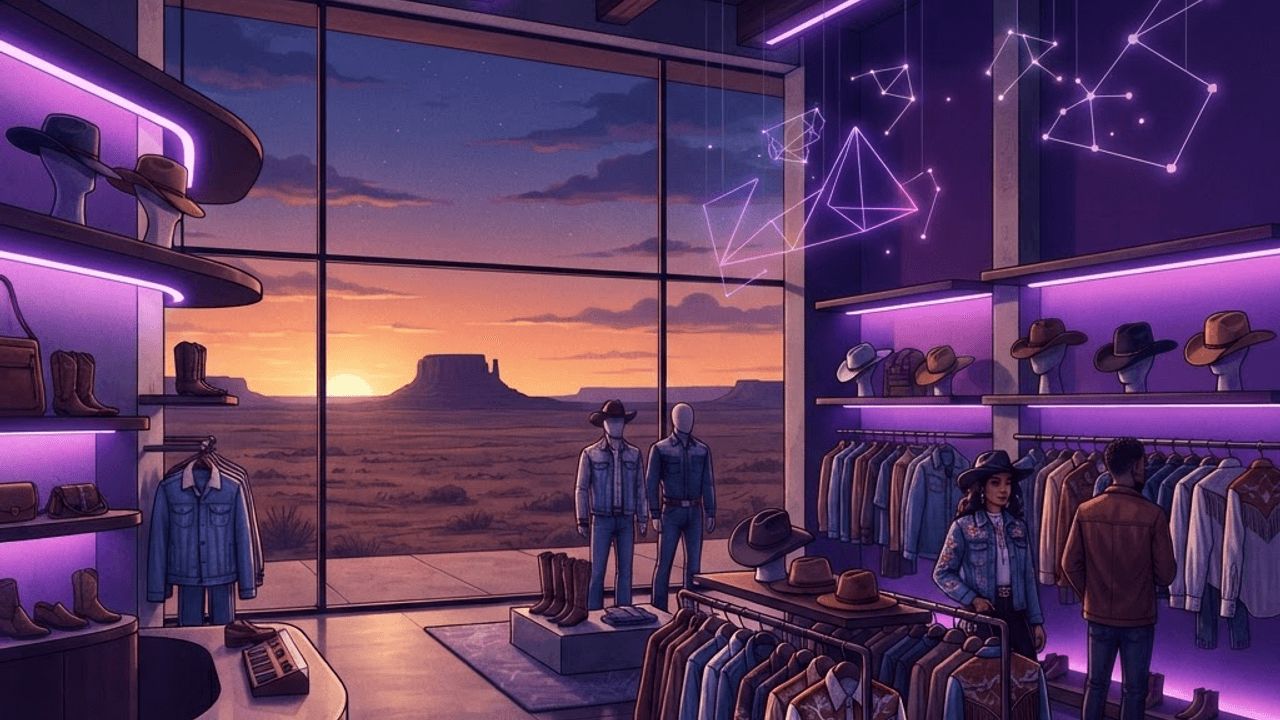
Dressing for the Texas Panhandle
Clothing in Amarillo has to answer to the climate before it answers to fashion. The Panhandle delivers persistent wind, wide daily temperature swings, intense high-plains sun, dust and genuinely cold winters, and garments that ignore those conditions get retired quickly. That is why the local market rewards durability, wind resistance, layering flexibility and fabric that survives repeated washing.
There is also a strong cultural dimension. Ranching, agriculture, energy work and rodeo remain economically and socially significant, and western wear here is functional clothing rather than costume. At the same time, Amarillo has a growing contemporary retail scene serving professionals, students and families who want current styling. The brands below reflect both traditions, which increasingly overlap.
The Top 10 Clothing Brands in Amarillo
1. Panhandle Plains Outfitters
Western shirts, jeans, jackets and hats built for daily working use rather than display. Reinforced stitching, generous yoke construction and honest sizing across a wide range make the brand a staple for people who wear their clothes hard.
2. Amarillo Denim Company
Denim specialists offering multiple rises, inseams and leg cuts with attention to fit over boots. Fabric weight options let customers choose between summer breathability and winter durability, and consistent shrinkage behavior keeps repeat purchases predictable.
3. Canyon Ridge Apparel
Contemporary casual clothing including knits, layering pieces and lightweight outerwear designed for temperature swings. Neutral palettes and versatile silhouettes suit an audience that needs one wardrobe for office, errands and evenings out.
4. Llano Estacado Workwear
Heavy-duty work clothing including canvas jackets, insulated coveralls, flame-resistant options and reinforced pants for agriculture, construction and energy work. Safety compliance documentation and abrasion resistance define the value here.
5. Route 66 Vintage Threads
Curated vintage and vintage-inspired pieces referencing the city's historic highway corridor, including denim jackets, western shirts and graphic tees. Scarcity and character give the brand cultural resonance that mass production cannot manufacture.
6. High Plains Activewear
Performance apparel for running, training and outdoor recreation with wind resistance, moisture management and sun protection. Fabrics selected for high UV exposure and dry air address the specific demands of exercising on the plains.
7. Palo Duro Outdoor Company
Technical outdoor clothing for hiking and camping in canyon and prairie terrain, emphasizing layering systems, packability and durability against rock and brush. Practical pocket configuration and hood design matter more here than styling details.
8. Yellow City Boutique Label
A locally designed women's line producing small-batch dresses, blouses and separates with regional influence. Limited runs and fit refinement based on direct customer feedback create loyalty that larger brands struggle to replicate.
9. Tascosa Rodeo Wear
Competition and performance western apparel including show shirts, riding jeans and protective gear. Range of motion, secure closures and durability under athletic stress are engineered rather than assumed.
10. Amarillo Kids & Family Clothing
Children's and family apparel emphasizing washability, growth-friendly sizing and weather adaptability. Reinforced knees, adjustable waistbands and quality fasteners extend garment life through active use and hand-me-down cycles.
How to Judge Clothing Quality
Examine construction before branding. Look at stitch density, whether seams are finished or raw, whether patterns align at seams, and whether buttons are anchored with reinforced thread. Check fabric weight against intended use, since lightweight cotton fails quickly in work applications regardless of how good it feels in a store.
Then evaluate fit against movement. Sit, reach and bend in the garment rather than judging it standing still. For western wear, confirm that jeans work with your boots and that shirts allow shoulder rotation. Ask about shrinkage and care requirements, and factor cost per wear rather than purchase price, because a durable garment worn two hundred times is cheaper than three cheap ones that fail.
Trends in the Amarillo Clothing Market
Western and workwear aesthetics continue to influence mainstream fashion, blurring the line between functional and stylistic purchases. Sun protective fabrics with rated UV performance are gaining traction as awareness of high-plains exposure increases. Local design labels are growing as customers seek regional identity, and durability is regaining priority as buyers push back against disposable fast fashion.
Built for Panhandle Weather
Clothing in Amarillo has to answer to the climate before it answers to fashion. Wind is the constant: sustained gusts across the flat Panhandle turn an unlined jacket into a sail and make cuff, collar and hem construction genuinely functional details rather than styling flourishes. Add thirty-degree daily temperature swings, intense high-plains sun and dust that finds every open seam, and the brands that endure locally are the ones designing for layering, wind resistance and easy washing.
That practicality shows up in fabric choices. Tightly woven cotton canvas, denim in heavier weights, brushed flannel and technical shells all outperform loose knits here, while UPF-rated shirting has moved from specialty gear to everyday wear for anyone working outdoors. Shoppers who prioritize wind resistance and layerability over seasonal trend cycles build wardrobes that actually get worn.
Western Heritage Meets Contemporary Design
Amarillo's clothing identity is genuinely its own. Western wear here is working attire before it is aesthetic, which is why local brands and retailers are judged on yoke construction, snap quality, sleeve length options and whether a shirt still fits after a season of real use. That functional standard has quietly influenced contemporary lines as well, producing pieces that read as fashion in Dallas and as sensible in Randall County.
The growth of local independent labels has added another layer. Small-batch producers working with regional cotton, screen printers documenting Route 66 and ranching culture, and designers reinterpreting traditional Western silhouettes give shoppers access to clothing that carries specific meaning rather than generic mall assortment. Buying those lines also keeps design and production income inside the region, which is part of why they have found such durable local support.
Final Thoughts
Amarillo's clothing market makes sense once you accept that the weather is the primary designer. Buy for wind, sun and temperature range, favor construction quality over label prestige, and support the local labels producing genuinely regional design. A wardrobe built on those principles performs better and lasts substantially longer.