
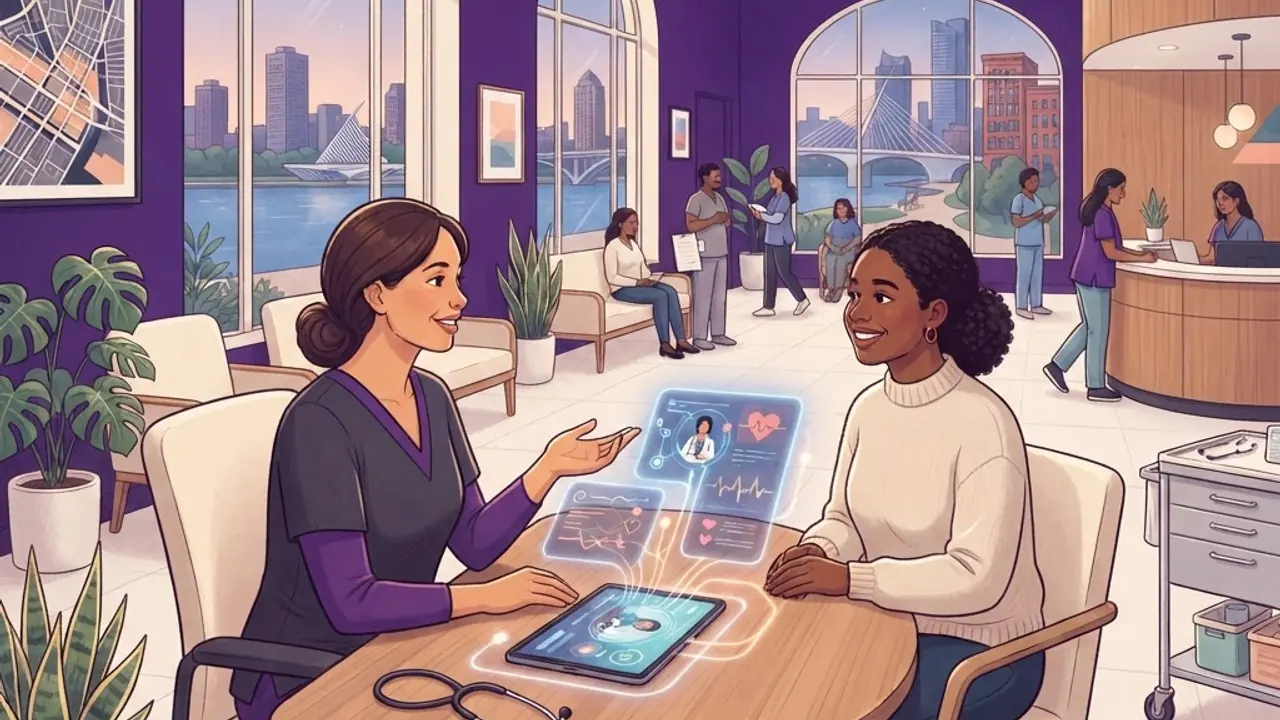
Convenient, Community-Focused Care
Clinics play an essential role in Milwaukee's healthcare landscape, offering accessible and personalized care for a wide range of everyday needs. Unlike large hospitals, clinics often provide a more intimate setting where patients can build lasting relationships with their providers. From primary care and urgent visits to specialized outpatient services, the city's clinics deliver convenient, high-quality care close to home.
For many residents, a trusted clinic is the first point of contact for health concerns. Understanding what distinguishes the best clinics helps individuals and families find reliable, compassionate care that fits their lives.
Qualities of a Great Clinic
Top clinics combine clinical excellence with a welcoming, patient-focused atmosphere. Skilled, attentive providers who take time to listen make a meaningful difference in the patient experience. Efficient scheduling, short wait times, and clear communication reflect a well-run practice that respects patients' time.
Comprehensive services, coordinated referrals, and thorough follow-up ensure continuity of care. A clean, comfortable environment and friendly staff further contribute to a clinic's reputation, turning routine visits into positive experiences.
Range of Services Available
Milwaukee clinics offer diverse services to meet community needs. Primary care clinics provide preventive care, checkups, and chronic disease management. Urgent care facilities treat non-emergency illnesses and injuries with convenience and speed. Specialty clinics focus on areas such as dermatology, women's health, pediatrics, and mental health.
Many clinics also provide vaccinations, health screenings, and diagnostic services, making them a practical resource for maintaining wellness. Some offer extended hours and walk-in availability, adding flexibility for busy patients.
Improving Access to Care
Clinics significantly improve healthcare access across Milwaukee. By offering affordable, convenient services in neighborhoods throughout the city, they reduce barriers to care and help patients address health issues early. Community clinics, in particular, serve individuals who might otherwise struggle to obtain treatment, promoting equity and better outcomes.
This accessibility strengthens overall community health, easing pressure on emergency departments and encouraging preventive care that keeps residents healthier over time.
Trends in Outpatient Care
Outpatient care continues to advance in exciting ways. Telehealth services now allow patients to consult providers remotely, expanding convenience and access. Integrated care models bring physical and mental health services together for more holistic treatment. Digital tools streamline scheduling, records, and communication, improving efficiency and patient engagement.
A growing emphasis on preventive care and wellness reflects a shift toward keeping patients healthy rather than simply treating illness, benefiting individuals and the broader community alike.
Conclusion
Milwaukee's clinics offer accessible, personalized, and dependable care for everyday health needs. With skilled providers, comprehensive services, and a patient-focused approach, the city's best clinics have become trusted community resources. By choosing a clinic that values quality and compassion, residents can take confident steps toward better health.