
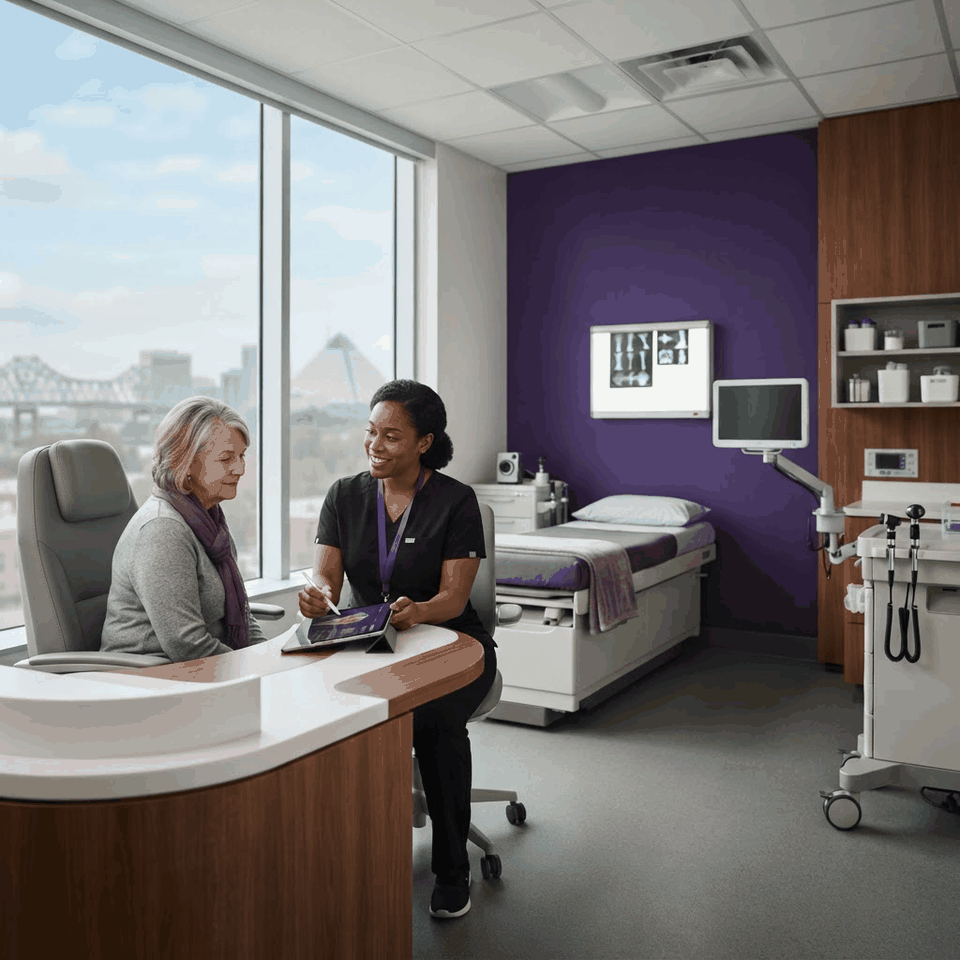
The Essential Role of Clinics in Memphis Healthcare
Clinics form the backbone of everyday healthcare in Memphis, offering accessible, convenient, and personalized services for individuals and families. Unlike large hospitals, clinics focus on routine care, preventive health, and outpatient treatment, making them the first point of contact for many residents. From annual checkups to managing chronic conditions, these facilities provide essential support that keeps the community healthy.
The best clinics in Memphis combine clinical expertise with a welcoming, patient-friendly approach. Understanding what to look for helps you choose a provider that meets your needs and fits comfortably into your life.
What Sets a Great Clinic Apart
Excellent clinics share several defining characteristics. Skilled, attentive providers are essential, offering thorough evaluations and clear communication. Convenience is also key, with accessible locations, flexible scheduling, and reasonable wait times that respect patients' busy lives. A clean, comfortable environment further enhances the experience.
Comprehensive services add significant value. The best clinics offer a range of care under one roof, from preventive screenings and vaccinations to lab work and minor procedures. This breadth reduces the need for multiple appointments across different facilities.
Primary Care and Preventive Health
Primary care clinics are central to long-term wellness. They provide routine checkups, health screenings, immunizations, and management of ongoing conditions such as diabetes and hypertension. By emphasizing prevention and early detection, these clinics help patients avoid more serious health problems and maintain a higher quality of life.
A strong relationship with a primary care provider offers continuity of care, ensuring your medical history is well understood and your treatment is consistent over time. This personal connection is one of the greatest benefits a clinic can offer.
Specialty and Urgent Care Options
Beyond primary care, Memphis is home to numerous specialty clinics focusing on areas such as dermatology, cardiology, women's health, and pediatrics. These facilities provide targeted expertise for specific conditions, delivering focused, high-quality treatment.
Urgent care clinics also play an important role, offering prompt attention for non-emergency illnesses and injuries. They provide a convenient alternative to emergency rooms for issues like minor infections, sprains, and fevers, often with shorter wait times and lower costs.
Convenience and Accessibility
One of the biggest advantages of clinics is their accessibility. Many are located throughout Memphis neighborhoods, making it easy to find care close to home or work. Extended hours, walk-in availability, and online scheduling further improve convenience, allowing patients to receive care when they need it.
This accessibility is especially valuable for busy families and working professionals who need efficient, reliable healthcare that fits their schedules.
Technology and Modern Care
Leading clinics embrace technology to enhance patient care. Electronic health records improve accuracy and coordination, while patient portals allow individuals to access test results, request prescriptions, and communicate with providers online. Some clinics also offer telehealth services, expanding access to care beyond the office visit.
These innovations make managing your health more convenient and help ensure your care is well organized and up to date.
Patient-Centered Service
The best clinics prioritize the patient experience. This means listening carefully, explaining conditions and treatments clearly, and involving patients in decisions about their care. A respectful, compassionate approach builds trust and encourages people to stay engaged with their health.
Many clinics also focus on affordability and transparency, helping patients understand costs and navigate insurance so that quality care remains within reach.
Questions to Ask Before Your First Visit
Before establishing care, ask whether the clinic is accepting new patients and which insurance plans it currently participates in. Confirm how quickly routine and same-day appointments are usually available, whether after-hours advice is offered, and which hospital system receives referrals when higher-level care is needed. It is also helpful to understand how prescription renewals, laboratory results, and specialist referrals are handled.
For a first appointment, bring a current medication list, relevant records, insurance information, and concise notes about your priorities. Arriving prepared gives the clinician more time to understand your history and build a practical care plan. If language access, mobility support, sensory accommodations, or other assistance is important, mention it during scheduling so the staff can prepare.
Coordinated Care and Long-Term Relationships
A clinic delivers the most value when it becomes a consistent medical home rather than a place visited only during illness. Regular primary care allows a provider to notice changes over time, connect symptoms that might otherwise seem unrelated, and recommend screenings based on age and risk. It also reduces duplicate testing because records remain organized in one system.
Strong clinics coordinate with specialists, hospitals, pharmacies, and rehabilitation providers. Patients should expect timely referrals and clear follow-up after outside treatment. Ask who will explain abnormal results and what happens if a referral office does not call. Reliable processes matter as much as a pleasant waiting room because they protect continuity and prevent important tasks from being overlooked.
Choosing the Right Clinic for You
When selecting a clinic, consider the services offered, provider qualifications, location, and hours. Read patient reviews to gauge satisfaction and reliability. If you have specific health needs, look for clinics with relevant expertise. For everyday care, a well-regarded primary care clinic close to home is often the ideal choice.
Memphis offers a wealth of excellent clinics dedicated to keeping the community healthy. By understanding what defines outstanding care, you can find a trusted provider that supports your well-being for years to come.