
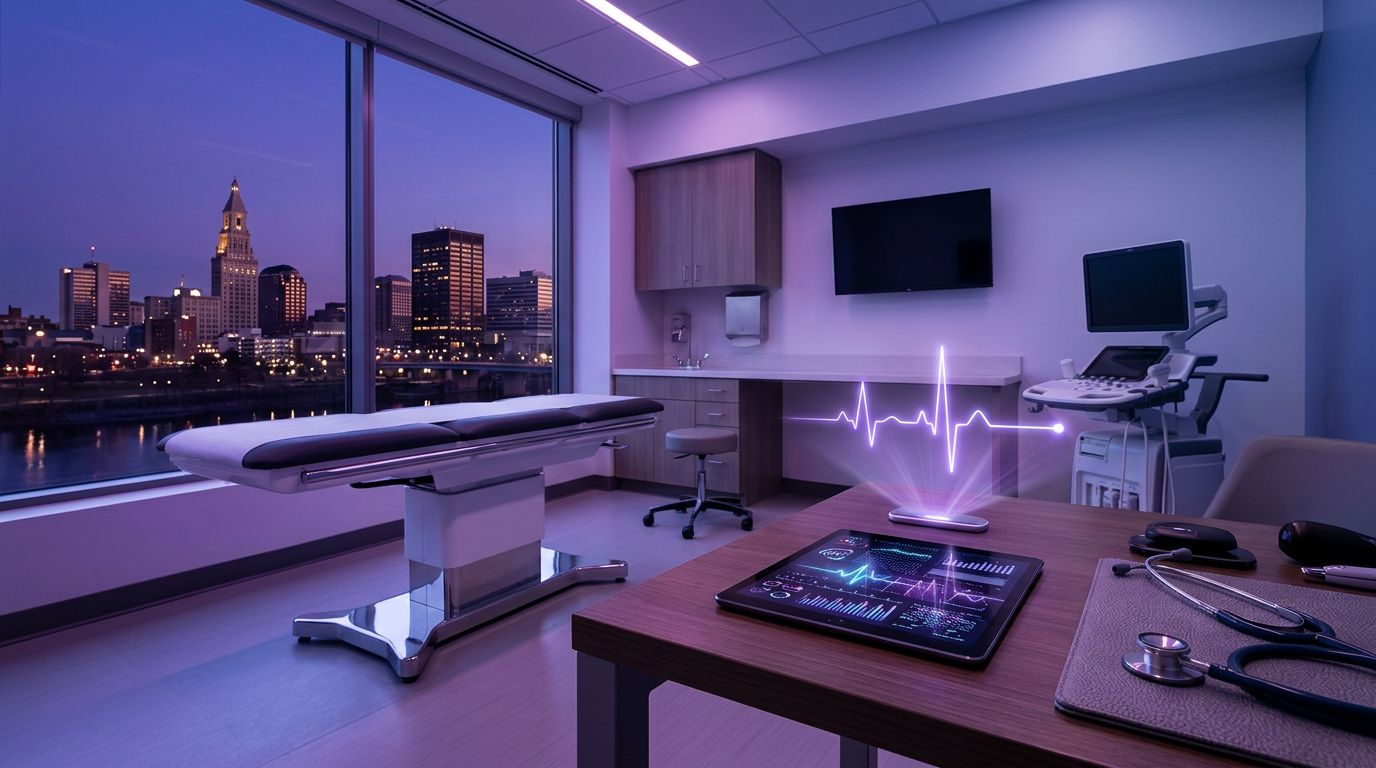
The Importance of Clinics in Hartford
Not every health concern requires a hospital visit. Clinics provide primary care, preventive services, urgent care, and specialty treatment in convenient and affordable settings. In Hartford, clinics play an especially important role in making care accessible to residents of all backgrounds, including those who are uninsured, underinsured, or who face language and transportation barriers.
The ten clinics and medical groups below are known for quality care, community commitment, and convenient access throughout the Hartford region.
1. Charter Oak Health Center
Charter Oak Health Center is a federally qualified health center that provides primary care, dental care, behavioral health, and social services to Hartford residents. It serves patients regardless of their ability to pay and offers bilingual staff, making it a vital resource for the community.
2. Community Health Services
Community Health Services, located in Hartford's North End, offers comprehensive primary care, pediatrics, dental, and behavioral health services. Its mission focuses on improving health outcomes in underserved neighborhoods, and it has served the community for decades.
3. Intercommunity Health Care
Based in East Hartford, Intercommunity Health Care specializes in integrated behavioral health, addiction recovery, and primary care. Its holistic approach recognizes the connection between mental and physical health and supports patients in achieving long-term wellness.
4. Hartford HealthCare GoHealth Urgent Care
Hartford HealthCare-GoHealth Urgent Care operates numerous locations across the region, providing walk-in care for minor injuries and illnesses. Online check-in and extended hours make it a convenient alternative to the emergency room for non-life-threatening conditions.
5. PhysicianOne Urgent Care
PhysicianOne Urgent Care offers fast, convenient care for illnesses, injuries, and occupational health needs at multiple Connecticut locations. Its clinics provide on-site X-rays and lab testing, helping patients receive diagnoses and treatment in a single visit.
6. Starling Physicians
Starling Physicians is a physician-led medical group with offices throughout central Connecticut. It offers primary care and a wide range of specialties, including cardiology, gastroenterology, and endocrinology, with a focus on coordinated, patient-centered care.
7. ProHealth Physicians
ProHealth Physicians operates many primary care and specialty practices across Connecticut. Its emphasis on preventive care, chronic disease management, and care coordination helps patients stay healthy and manage ongoing conditions effectively.
8. UConn Health Outpatient Services
UConn Health provides outpatient clinics in Farmington and across the region, offering primary care and specialty services backed by academic medicine. Patients have access to experienced physicians, advanced diagnostics, and clinical research opportunities.
9. Connecticut Children's Specialty Care
Connecticut Children's operates specialty care centers throughout the region, providing pediatric services close to home. Families can access pediatric experts in areas such as allergy, endocrinology, orthopedics, and neurology without traveling to the main hospital.
10. Planned Parenthood of Southern New England
Planned Parenthood of Southern New England operates a health center in Hartford that provides reproductive health care, preventive screenings, birth control, and sexual health services. Its confidential, nonjudgmental care serves patients of all ages and backgrounds.
Choosing the Right Clinic
Start by identifying the type of care you need. For routine checkups and ongoing health management, a primary care practice or community health center is ideal. For sudden but non-emergency issues, urgent care offers quick access. For specific conditions, specialty clinics provide focused expertise.
Check insurance coverage, office hours, location, and language services. Many clinics offer telehealth appointments, which can save time for follow-up visits and minor concerns. Reading patient reviews and asking for recommendations from friends or your doctor can also help you choose with confidence.
Trends in Hartford Clinical Care
Integrated care models that combine physical health, behavioral health, and social services are expanding. Telehealth continues to grow, offering greater convenience. Community health centers are increasingly focused on addressing social factors such as housing, nutrition, and transportation that affect health outcomes.
Frequently Asked Questions
Can I receive care at a community health center without insurance?
Yes. Federally qualified health centers in Hartford serve patients regardless of insurance status and offer sliding-scale fees based on income. They also help patients apply for coverage programs they may be eligible for.
What services do urgent care clinics typically provide?
Urgent care clinics treat minor injuries, sprains, cuts, infections, flu symptoms, and similar conditions. Many offer on-site X-rays, lab testing, vaccinations, and physicals for school, sports, or employment.
Is telehealth a good option for clinic visits?
Telehealth works well for follow-up appointments, medication management, behavioral health sessions, and minor concerns. Conditions that require a physical examination or testing still need an in-person visit.
How do I choose a primary care provider?
Look for a provider who accepts your insurance, has convenient office hours and location, and communicates in a way that makes you comfortable. Many Hartford practices offer introductory visits and online patient portals for messaging, scheduling, and test results. A long-term relationship with one provider improves preventive care and helps catch health issues early.
Conclusion
Hartford's clinics make quality healthcare accessible and convenient for residents across the region. From community health centers and urgent care to specialty practices, these ten clinics provide trusted care that helps individuals and families stay healthy.