
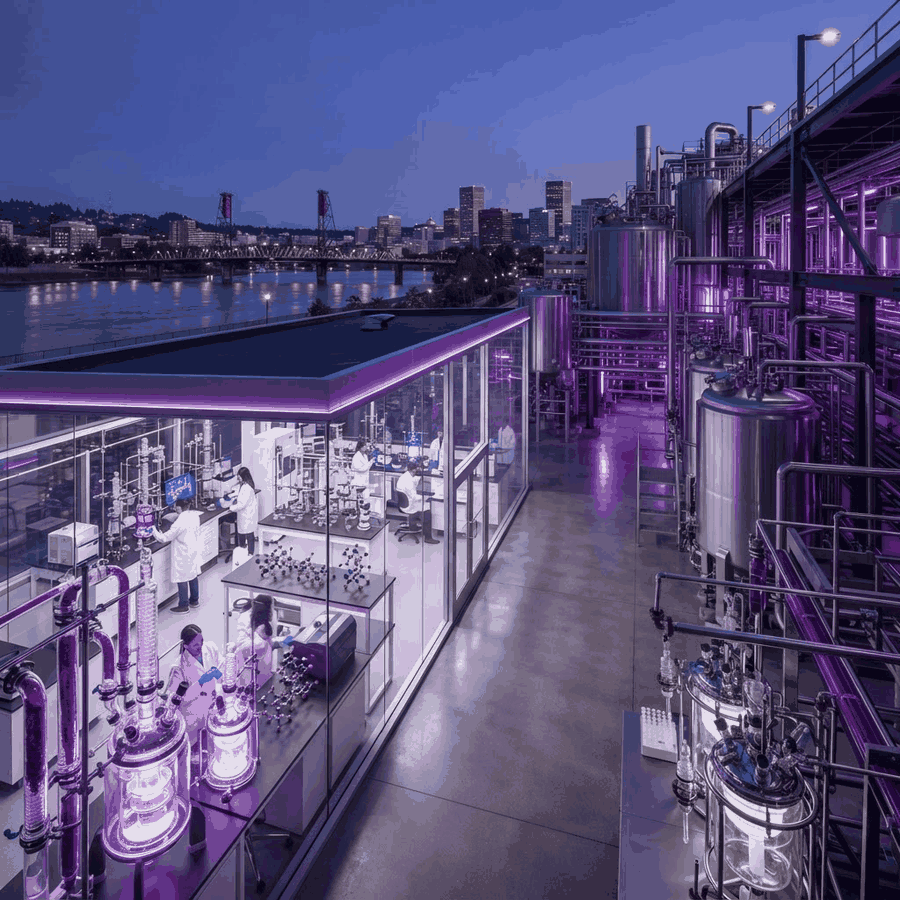
The Role of Chemical Companies in Portland's Economy
Chemical companies form an essential but often understated part of Portland's industrial ecosystem. These firms supply the specialty chemicals, coatings, adhesives, and processing solutions that support manufacturing, construction, agriculture, water treatment, and countless other sectors. The best chemical companies in Portland are distinguished by their technical expertise, rigorous safety standards, and dedication to environmentally responsible practices.
Given the region's strong environmental ethos, chemical companies in Portland face high expectations when it comes to sustainability and safety. The leading firms have responded by investing in cleaner processes, responsible waste management, and products designed to minimize environmental impact, earning them strong reputations among clients and communities alike.
Services and Specializations
Portland's chemical companies offer a diverse range of products and services. Some specialize in custom chemical formulation and blending, creating tailored solutions for specific industrial applications. Others focus on distribution, providing reliable access to bulk and specialty chemicals for manufacturers and processors throughout the region.
When evaluating a chemical supplier, businesses should consider the company's technical support capabilities, regulatory compliance, safety record, and ability to deliver consistent product quality. Many of the top firms also provide laboratory testing, custom packaging, and logistics services to streamline their clients' operations.
Leading Chemical Companies in the Region
Several chemical companies have earned recognition for their contributions to Portland's industrial base. Cascade Chemical Solutions is known for custom formulation and specialty coatings used across manufacturing and construction. Willamette Chemical Group provides water treatment chemicals and services essential to municipal and industrial facilities.
Rose City Specialty Chemicals focuses on adhesives, sealants, and industrial compounds, while Bridgetown Chemical Distribution offers reliable supply of bulk and specialty chemicals. Pacific Northwest Chemicals and Columbia River Chemical Company round out the list, contributing expertise in agricultural chemicals, process solutions, and environmentally conscious product lines.
Safety, Compliance, and Sustainability
Safety and regulatory compliance are paramount in the chemical industry, and Portland's leading companies treat these responsibilities with the seriousness they deserve. Adherence to environmental regulations, proper handling and storage protocols, and comprehensive employee training are hallmarks of a reputable chemical firm. Businesses partnering with these companies benefit from reduced risk and greater peace of mind.
Sustainability has become a defining priority for the sector. Many Portland chemical companies are developing greener formulations, reducing hazardous waste, and adopting energy-efficient production methods. This focus not only aligns with regional values but also helps clients meet their own sustainability goals, creating a mutually beneficial partnership.
Choosing the Right Chemical Partner
Selecting a chemical company is a decision that carries significant implications for product quality, operational efficiency, and regulatory compliance. Portland businesses benefit from working with local firms that understand regional requirements and can provide responsive support. The proximity of these companies allows for faster deliveries, easier technical consultation, and stronger long-term relationships.
The chemical companies of Portland offer a combination of technical excellence, unwavering commitment to safety, and forward-thinking sustainability practices. Whether a business needs custom formulations, reliable distribution, or specialized processing solutions, the region's top chemical firms provide the expertise and dependability required to succeed. Their ongoing investment in responsible practices ensures they remain trusted partners across a wide range of industries.
How to Compare Portland Industry Partners
A strong shortlist starts with a clearly defined scope. Buyers should document expected quantities, material or performance specifications, target delivery dates, testing requirements, and any regulations that apply to the finished product. Sharing this information early helps prospective partners provide accurate proposals and identify technical risks before production begins. It is also useful to ask for examples of comparable work, references from established customers, and an explanation of how quality is measured at each stage.
Capacity deserves careful attention as well. A company may perform excellent prototype work but lack the equipment or staffing needed for a larger production schedule. Conversely, a high-volume operation may not be the best fit for custom, low-quantity assignments. Discussing current workload, normal lead times, backup equipment, and contingency plans provides a more realistic view of what a supplier can deliver. Buyers should also understand which operations are performed in-house and which are entrusted to outside specialists.
Price matters, but the lowest initial quote does not always represent the best value. Rework, missed deadlines, inconsistent materials, and poor communication can quickly outweigh a modest upfront saving. A thorough comparison considers total cost, including tooling, packaging, delivery, maintenance, and the likely service life of the result. Clear payment terms and a written process for approving changes help both sides avoid surprises.
Making a Confident Final Decision
Before committing to a major order, consider beginning with a sample, prototype, or limited production run. This creates an opportunity to assess workmanship, responsiveness, documentation, and delivery performance under real conditions. A facility visit can provide additional insight into organization, safety, equipment condition, and employee expertise. For Portland-area buyers, local access makes this type of hands-on evaluation especially practical.
The most successful supplier relationships are collaborative rather than purely transactional. Companies that ask informed questions, recommend practical improvements, and communicate concerns early tend to create better long-term outcomes. Portland's connected business community also makes reputation meaningful, so consistent service and responsible practices matter. By balancing technical capability, quality systems, capacity, sustainability, and communication, buyers can choose a partner that supports both immediate needs and future growth.