
The Chemical Industry and North Texas
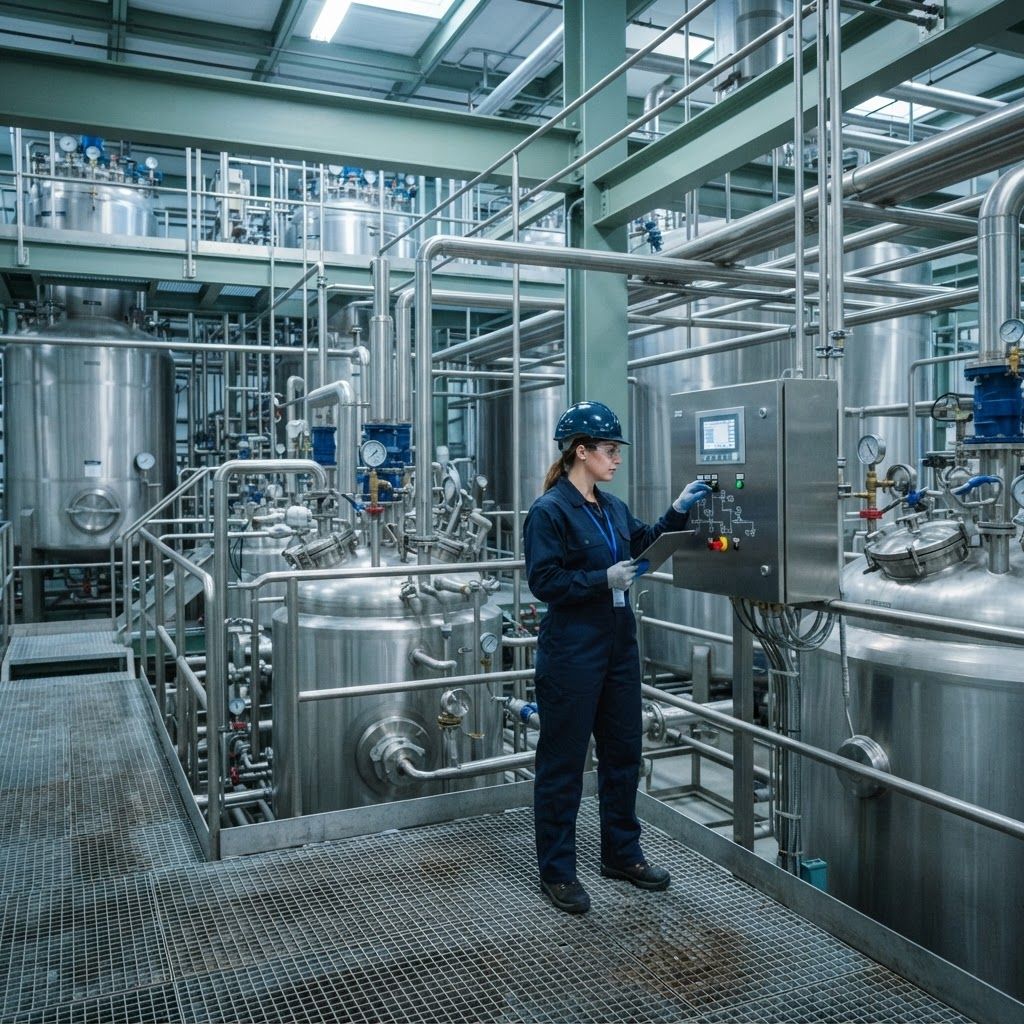
Texas produces more chemicals than any other state, anchored by the vast petrochemical complexes along the Gulf Coast. North Texas plays a different role in that value chain. Rather than cracking hydrocarbons at scale, the Dallas-Fort Worth region concentrates specialty formulation, blending, distribution, laboratory services, and technical sales. Frisco businesses interact with this sector constantly, often without recognizing it: water treatment chemistry for cooling towers, coatings for commercial construction, cleaning and sanitation products for restaurants and clinics, adhesives for manufacturing, and agricultural inputs for landscaping.
Because North Texas activity skews toward specialty and distribution, the relevant buying decisions center on formulation expertise, technical support, delivery reliability, and regulatory documentation rather than commodity pricing alone.
Ten Chemical Companies Relevant to Frisco
Celanese is a Texas-headquartered specialty materials producer supplying engineered polymers, acetyls, and additives used across automotive, medical, and consumer applications.
Kronos Worldwide produces titanium dioxide pigments used in coatings, plastics, and paper, with corporate operations based in the Dallas area.
NL Industries operates specialty chemical and component businesses with North Texas corporate presence.
Brenntag North America distributes a broad chemical portfolio with regional warehousing and blending, serving manufacturers needing reliable multi-product supply.
Univar Solutions provides chemical distribution alongside technical formulation support and regulatory documentation for industrial and specialty customers.
Hawkins supplies water treatment and specialty chemistry with service programs for municipal and commercial water systems.
ChemStation delivers custom-formulated industrial cleaning solutions in refillable bulk systems, reducing packaging waste for facility operators.
Sherwin-Williams industrial coatings operations manufacture and support protective and architectural coatings widely specified on North Texas construction projects.
Ecolab serves food service, healthcare, and hospitality with sanitation chemistry, dispensing equipment, and compliance training programs.
Nalco Water completes the list with cooling tower, boiler, and process water treatment programs important to large commercial buildings and data centers.
Where Frisco Businesses Encounter Chemistry
Commercial property managers rely on water treatment chemistry to prevent scale, corrosion, and biological growth in cooling systems, protecting equipment worth far more than the chemical program itself. Restaurants and medical practices depend on sanitation chemistry with documented efficacy and staff training. Construction contractors specify coatings, sealants, concrete admixtures, and adhesives whose performance determines building durability. Landscape and turf operations use fertilizers and treatments regulated by state agencies.
Industry Trends
Regulatory attention on specific chemistries has intensified, particularly regarding persistent compounds, volatile organic compound limits in coatings, and disclosure requirements for product ingredients. Suppliers investing in reformulation and transparent documentation have gained advantage with institutional buyers.
Sustainability has moved from marketing to specification. Bio-based feedstocks, concentrated products that reduce shipping weight, refillable delivery systems, and closed-loop container programs all appear in commercial procurement criteria now.
Digital tools have changed service delivery. Remote monitoring of water treatment systems with automated chemical feed adjustment reduces both consumption and equipment risk. Inventory management platforms track usage, reorder automatically, and maintain safety data sheet libraries accessible to facility staff.
Supply chain resilience remains a focus after disruptions tied to weather events on the Gulf Coast, which can idle production and constrain regional availability for weeks.
Safe Sourcing and Compliance Practices
Obtain current safety data sheets for every product on site and ensure they are accessible to employees. Maintain accurate secondary container labeling and provide hazard communication training. Verify that storage arrangements respect incompatibility rules, ventilation requirements, and secondary containment where applicable.
Confirm that transportation and waste disposal comply with applicable regulations. Generators of hazardous waste carry obligations that do not transfer simply because a contractor performs the hauling. Documented manifests and vetted disposal vendors protect the business.
For specialty formulations, require certificates of analysis for each lot and clarify specification tolerances. Substitutions should require written approval, since a seemingly minor change in a surfactant or solvent can affect downstream product performance.
How to Evaluate a Chemical Supplier
Technical support is the primary differentiator. Ask whether the supplier provides on-site assessment, application training, and troubleshooting from qualified chemists rather than sales representatives alone. Evaluate delivery reliability and local inventory depth, since production stoppages caused by a missing input are far costlier than a small price premium.
Review sustainability and safety records, insurance coverage, and responsiveness to incident reporting. For long-term relationships, negotiate documented service level expectations covering delivery windows, technical visit frequency, and reporting.
Final Thoughts
The chemical sector serving Frisco is built on specialty formulation, distribution, and technical service rather than bulk production. Businesses achieve the best results by treating chemical suppliers as technical partners, insisting on complete documentation, and evaluating total performance including equipment protection and compliance support rather than unit price in isolation.