
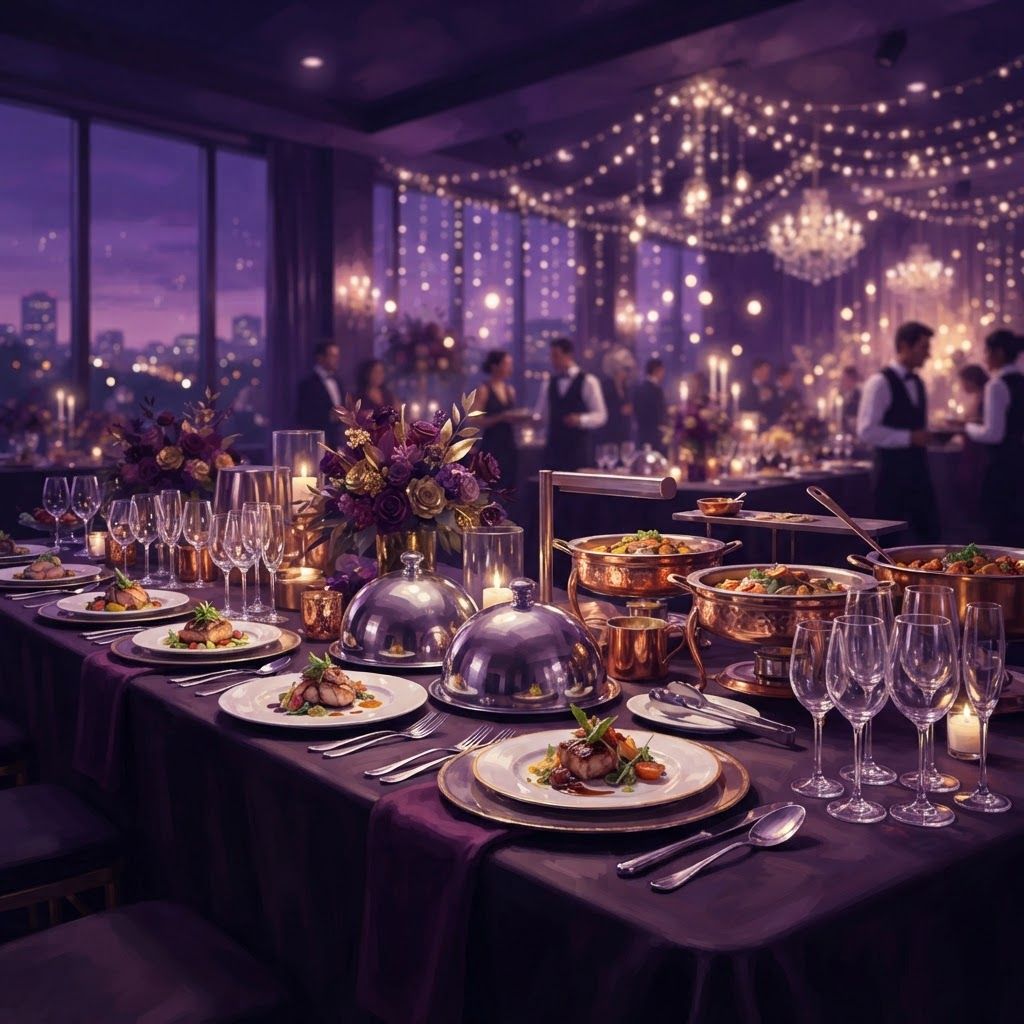
The Catering Landscape in North Hempstead
North Hempstead hosts an unusually broad range of events for a town of its size. Waterfront properties along the North Shore draw large weddings; the corporate corridor near Lake Success and New Hyde Park generates steady demand for business catering; and the town's diverse religious communities require caterers fluent in kosher, halal, vegetarian, and regionally specific menus. Few markets ask so much of their caterers, and the companies that thrive here tend to be unusually versatile.
That variety also means the wrong choice is easy to make. A company brilliant at 300-guest plated dinners may be poorly suited to a 25-person office lunch, and a beloved family restaurant with a catering menu may not have the staffing infrastructure for an off-premise event with rentals, bar service, and a timed program. Matching scale and specialty is the single most consequential decision a host makes.
How to Evaluate a Catering Company
Start with the kitchen. Ask whether food is produced in a dedicated commissary or in a restaurant kitchen between service periods, because that determines how many simultaneous events the company can handle without quality slipping. Ask how many events are booked on your date. A caterer running four weddings on a June Saturday is dividing its best staff four ways.
Next, interrogate the proposal line by line. Reputable caterers separate food, labor, rentals, bar, service charge, and gratuity so you can see what you are actually buying. Vague per-person pricing that bundles everything invisibly makes comparison impossible and often conceals thin food cost. Confirm staffing ratios as well: roughly one server per 12 to 15 guests for plated service, more for elaborate multi-course meals.
Finally, taste before you sign, and taste the menu you intend to serve rather than a showcase of the chef's favorites. Ask how dishes will be held and finished on site, since transport and reheating are where most catered food degrades. A caterer who talks openly about holding times and finishing stations understands the real problem of off-premise cooking.
Ten Catering Companies Serving the Town
North Shore Estate Catering operates at the top of the local wedding market, handling tented events on private waterfront properties where the caterer must build a temporary kitchen from scratch. Its strength is logistics: generators, refrigeration, service flow, and timeline management are planned with the detail of a construction schedule.
Manhasset Culinary Group takes a chef-driven, seasonal approach, writing menus around what North Shore farms and Long Island waters are producing that month. Clients who want a genuinely bespoke tasting menu rather than a package selection generally end up here.
Great Neck Glatt Catering provides fully supervised kosher service under reliable certification, covering weddings, bar and bat mitzvahs, and synagogue functions. Its kitchen manages the separation requirements of kosher production while still delivering contemporary menus rather than only traditional banquet fare.
Roslyn Corporate Cuisine concentrates on business catering: breakfast drops, boxed lunches, all-day meeting service, and client dinners. Punctuality and consistency matter more than showmanship in this category, and the company's reputation rests on hitting delivery windows precisely and labeling dietary items clearly.
Port Washington Raw Bar & Grill Co. specializes in seafood-forward events, from oyster and clam stations to whole grilled fish and lobster bakes. Given the town's coastal setting, this style suits summer gatherings, and the team's sourcing relationships with local shellfish suppliers show in the product quality.
Cuisine Specialists and Smaller Operators
Westbury Mediterranean Catering builds menus around Greek, Levantine, and Turkish traditions: charcoal-grilled meats, mezze spreads, warm flatbreads, and vegetable dishes substantial enough to satisfy guests who do not eat meat. Its buffet presentation translates well to large family celebrations.
New Hyde Park South Asian Catering serves a significant community with regional Indian, Pakistani, and Bangladeshi menus, offering both halal and vegetarian production and scaling comfortably to several hundred guests. The company also manages multi-day wedding functions, which require different planning from a single reception.
Albertson Italian Family Caterers is the classic neighborhood choice for communions, christenings, and milestone birthdays. Trays of baked pasta, chicken preparations, and antipasti arrive in quantities calibrated by decades of experience with how much a Long Island family party actually eats.
Herricks Plant-Based Kitchen answers rising demand for fully vegan and vegetarian events. Rather than removing meat from conventional menus, the team designs around vegetables, legumes, and grains, which produces food that satisfies omnivorous guests instead of merely accommodating dietary restrictions.
Searingtown Grazing & Events focuses on the smaller end of the market: charcuterie and cheese installations, dessert tables, cocktail-hour stations, and intimate at-home dinners for 10 to 40 guests. For hosts who want polish without a full banquet operation, this scale is often the better fit.
Current Trends in Local Catering
Interactive stations continue to displace static buffets, with chefs finishing pasta, carving proteins, or assembling small plates in front of guests. Dietary inclusion has moved from afterthought to design principle, and the strongest caterers now build menus where gluten-free and plant-based options are among the best dishes served rather than substitutions. Sustainability is also reshaping practice, with more companies committing to compostable service ware, reduced single-use plastic, and donation of surplus food.
Cost transparency has become a competitive advantage as well. Rising labor and ingredient costs have pushed caterers to itemize aggressively, and clients increasingly reward the companies that explain where money goes rather than those that quote the lowest headline number.
Practical Booking Advice
For weddings and large celebrations in North Hempstead, begin conversations nine to twelve months out, particularly for late spring and early fall dates. Confirm insurance and permitting requirements early if you are hosting at a private residence or a park facility, since some venues in the town require specific documentation from vendors. Lock final guest counts on the schedule your contract specifies, and put every menu change in writing.
Most importantly, treat the caterer as a partner in the event rather than a supplier of food. The companies listed here succeed because they think about traffic flow, timing, and guest experience as carefully as they think about seasoning, and hosts who share their full plan get noticeably better results.