
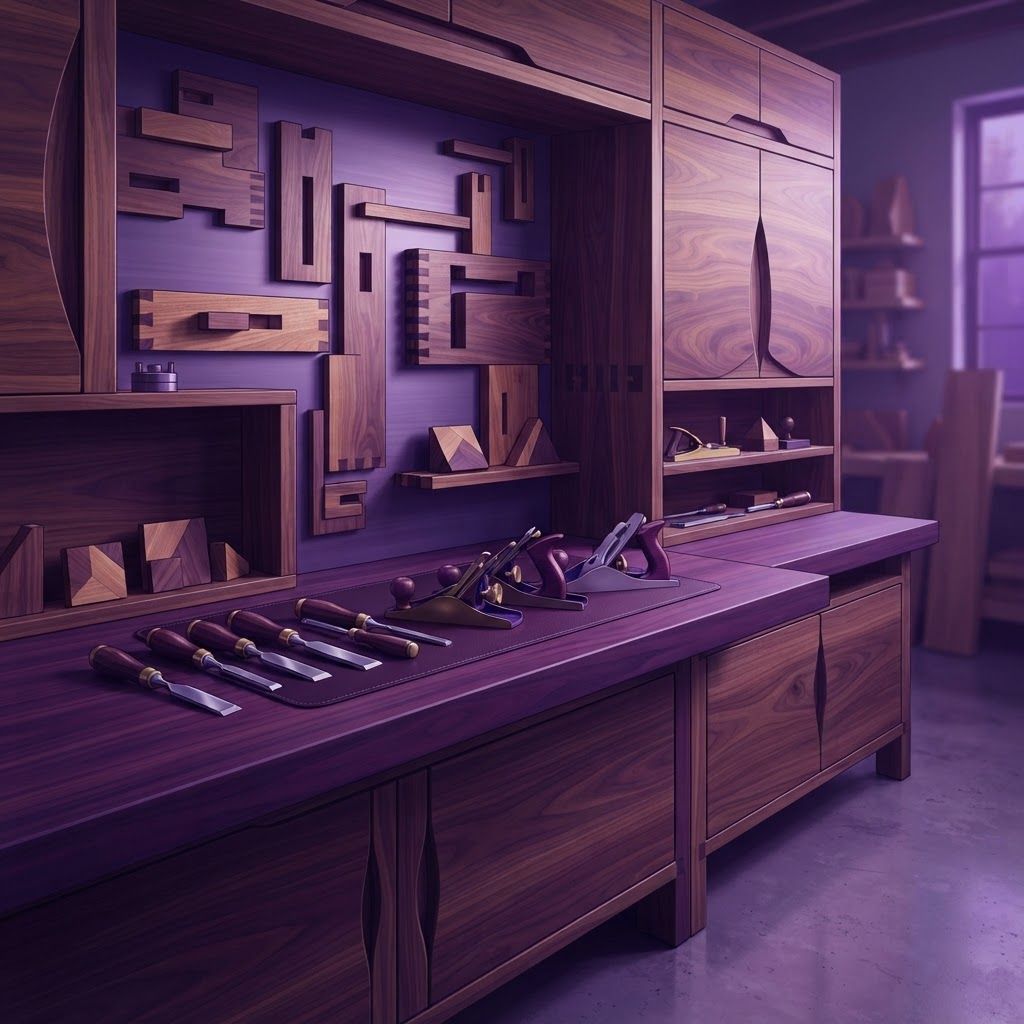
Carpentry's Role in Rochester Homes
Carpentry is the trade that most directly shapes how a home feels. Rochester's neighborhoods are full of houses built when millwork was standard: deep baseboards, coffered ceilings, built-in china cabinets, oak staircases, and window casings that no production builder would attempt today. Preserving, repairing, and reproducing that work requires a different skill set than framing a new addition, and the region supports carpenters across the full spectrum.
Broadly, carpentry divides into rough and finish work. Rough carpentry covers framing, decking, structural repairs, and anything that eventually gets covered. Finish carpentry covers trim, cabinetry, stairs, built-ins, and the visible details where precision is judged in fractions of an inch. Many local firms perform both, but the strongest ones are usually clear about where their expertise concentrates.
What to Look for in a Carpenter
Portfolio depth is the most honest indicator. Photographs of completed work reveal joinery quality, consistency of reveals, and whether a carpenter's aesthetic matches the project. Beyond that, shop capability matters for custom cabinetry, since a firm with a dedicated shop can build components in controlled conditions rather than fabricating everything on site.
Material knowledge is equally important. Rochester's humidity swings between damp summers and dry heated winters, and wood moves accordingly. Carpenters who account for seasonal movement in door panels, wide boards, and floor installations produce work that stays tight through the first several years instead of opening at every joint by February.
Ten Carpentry Providers in the Rochester Area
Genesee Woodcraft Studio is a custom cabinetry and built-in specialist with an in-house shop. Kitchens, libraries, and window seats designed for older homes make up much of their portfolio.
Heritage Trim & Millwork focuses on restoration carpentry, reproducing historic profiles and repairing damaged original woodwork in the city's older housing districts.
Flour City Framing handles structural carpentry including additions, dormers, floor system repairs, and sill plate replacement in homes with settlement or moisture damage.
Lakeside Deck Builders concentrates on outdoor carpentry, building decks, pergolas, and porch structures using pressure-treated lumber, cedar, and composite systems suited to harsh winters.
Northline Fine Carpentry works on high-end interior finish packages, including paneled walls, coffered ceilings, and custom stair construction.
Canal Street Cabinetmakers builds furniture-grade cabinetry and freestanding pieces, appealing to clients who want individual craftsmanship rather than modular systems.
Monroe Home Carpentry serves the general residential market with door and window installation, trim replacement, closet systems, and smaller improvement projects.
Empire Timber Works specializes in timber framing and exposed structural woodwork, often used in porch reconstructions, barn-style outbuildings, and feature beams.
Riverbend Restoration Carpentry combines carpentry with exterior repair, tackling rotted soffits, fascia, columns, and wood siding damaged by winter exposure.
Brighton Custom Interiors operates as a design-and-build carpentry practice, developing drawings and then producing the built-ins, mudroom systems, and office cabinetry those drawings describe.
Popular Carpentry Projects Locally
Built-in storage remains in high demand because older homes typically have limited closet space. Custom mudroom benches with hooks and cubbies handle boots and winter gear that would otherwise accumulate in entryways. Home office built-ins have grown steadily since remote work became routine.
Stair work is another common request. Refinishing or rebuilding a main staircase transforms a home's central impression, and replacing worn treads or dated railings delivers a disproportionate visual return for the cost.
Outdoor carpentry follows a compressed seasonal schedule. Deck and porch projects concentrate between late spring and early autumn, so booking early in the year secures better availability. Composite decking has gained popularity because it resists the moisture cycling that shortens the life of untreated wood in this climate.
Materials and Detailing
Oak, maple, cherry, and poplar dominate interior work, with poplar frequently used for painted trim because it machines cleanly and holds paint well. For exterior applications, cedar and modern composites outperform standard lumber in freeze-thaw conditions. Where original woodwork is being matched, carpenters often mill custom knives to reproduce profiles that are no longer commercially available.
Fastening and joinery choices separate durable work from cosmetic work. Glued and mechanically reinforced joints, properly sized fasteners, and allowances for expansion all contribute to work that survives decades of seasonal movement.
Planning and Budgeting
Custom carpentry is priced by labor hours far more than by material cost, so complexity drives budgets. Simplifying a design without abandoning its character often produces the best value. Requesting a detailed quote that separates design, shop fabrication, installation, and finishing helps clarify where the money goes and where adjustments can be made.
Lead times are worth planning around. Shop-built cabinetry commonly requires several weeks of fabrication after design approval, and finishing adds more. Coordinating carpentry with painting, flooring, and electrical work prevents the sequencing conflicts that delay renovations.
Final Thoughts
Carpentry rewards patience and craftsmanship in ways that are immediately visible. Rochester's mix of historic homes and modern renovations supports carpenters skilled in both restoration and contemporary design. Choosing a professional whose portfolio genuinely matches your project, and who understands how wood behaves in this climate, is the surest path to work that still looks intentional and tight many winters from now.