
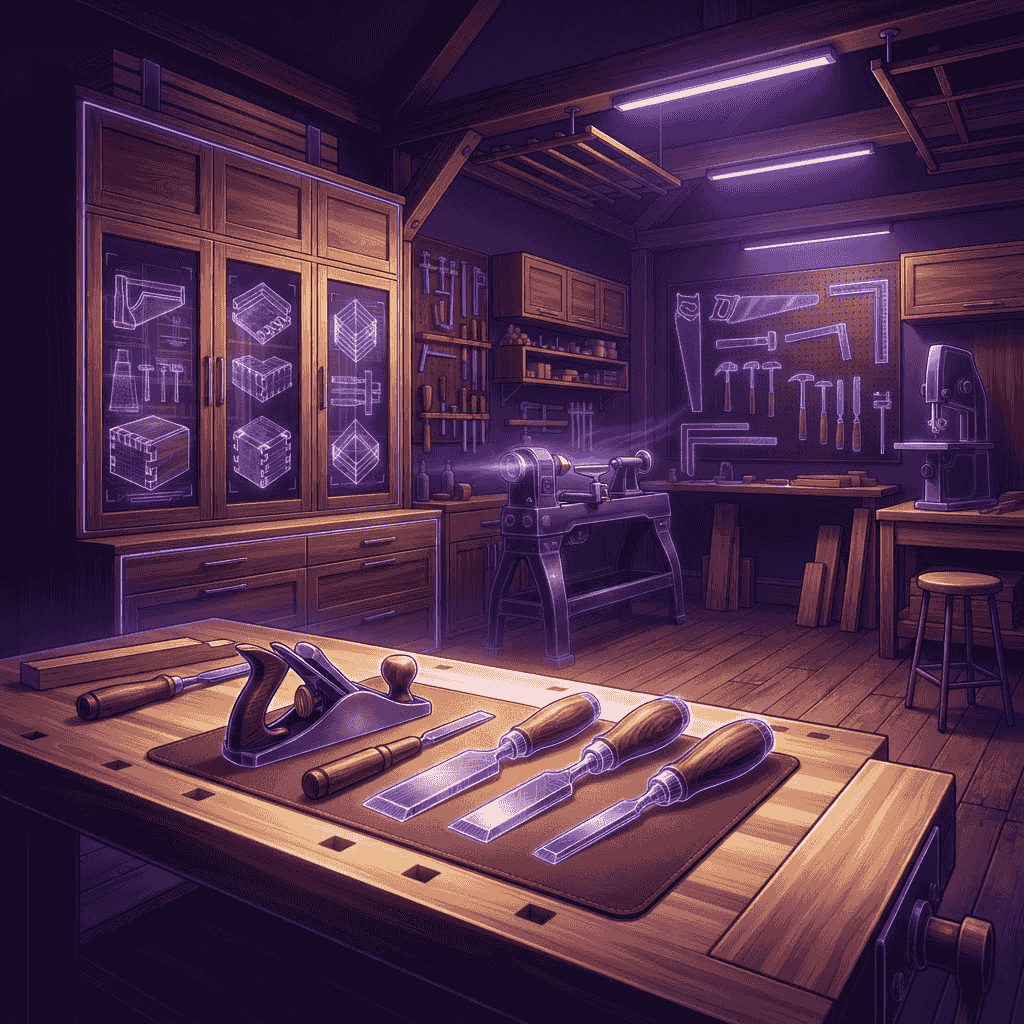
Carpentry Is the Craft That Shows
A structural engineer designs a building to be stable, a mechanical contractor ensures it functions, but a carpenter determines whether it feels thoughtful and refined. Baseboards, crown molding, door and window trim, built-in shelving, custom cabinetry, and architectural details are almost entirely within the carpenter's control. The scale can range from simple flat stock installation to complex curved millwork, but in every case, precision joinery, proper finishing and attention to detail separate competent work from master craft.
Raleigh has a healthy carpentry market because the city has established neighborhoods with character homes that reward refinement, newer areas where custom details add personality, and a renovation sector constantly reimagining interior spaces. The market also attracts skilled craftspeople because the building community is mature and discerning customers understand the difference between adequate work and excellent work.
Understanding Carpentry Specialties
Production carpentry is fast-tracked installation of standardized components like interior doors, baseboards and pre-made cabinetry, prioritizing speed and economy. Custom carpentry creates one-off pieces like specialized shelving, architectural trim work, and built-ins designed around a specific space. Finish carpentry involves precision fitting of trim around openings and edges where visibility is high. Rough framing, though also carpentry, is typically handled by framers rather than finish specialists and is usually less visible.
Understanding which specialty your project requires helps you hire the right professional. Kitchen and bath remodels typically benefit from both custom cabinetry design and precision finish carpentry. Additions and renovations usually involve a mix, with rough framing by a framing contractor and finish work by a carpenter. Architectural woodwork and specialty projects require true craftspeople with portfolio evidence of similar work.
The Top 10 Carpentry Services in Raleigh
1. Capital City Custom Carpentry
Full-service carpentry from design through installation of cabinetry, built-ins and architectural trim. Portfolio includes kitchen remodels, library built-ins and period-appropriate restoration work.
2. Oak City Millwork and Cabinets
Custom cabinetry and millwork shop producing everything from kitchen islands to fitted wardrobes, wall paneling and decorative elements, with on-site installation included.
3. Triangle Trim and Finish Carpenters
Specialists in interior trim installation, crown molding, baseboards, casings, doors and architectural details with precision fitting and finish quality emphasis.
4. Beltline Built-Ins and Shelving Design
Custom shelving, cabinetry, closet systems and wall-mounted storage designed and built to maximize space and match interior aesthetic.
5. Piedmont Hardwood and Architectural Woodwork
High-end hardwood flooring, wall paneling, coffered ceilings and custom architectural elements for homes where wood craftsmanship is a design priority.
6. Wake Heritage Restoration Carpentry
Repair and restoration of original millwork, crown molding, baseboards and built-ins in older homes, matching original profiles and finishes for period authenticity.
7. Glenwood Kitchen and Bath Cabinetry
Custom kitchen and bath cabinetry including drawer design, organization systems, specialty storage and integration with tile, countertop and appliance installation.
8. Neuse Valley Wood Finishing and Staining
Specializes in wood finishing, staining, varnishing and paint finishes on cabinetry and architectural millwork, including refinishing of existing pieces.
9. Crossroads Rough Framing and Structural Carpentry
Framing, wall removal, beam installation, structural additions and load-bearing modifications when renovation requires changes to home skeleton rather than cosmetic updates.
10. Research Triangle Architectural Woodwork
Museum and gallery-quality custom woodworking including specialty joinery, inlaid design, hand carving and one-of-a-kind architectural elements for significant projects.
Wood Selection and Finishing Matter
Hardwoods like oak, cherry, walnut and maple are traditional for visible millwork because they accept stain beautifully and develop patina with age. Softwoods like pine and fir are less expensive and suit painted finishes well. Plywood and MDF are functional for concealed structure and painted applications but are not appropriate for stained woodwork. Water resistance matters; bathrooms require moisture-resistant finishes and proper ventilation to prevent wood swelling and mold.
Stain type determines appearance and durability. Oil-based stains penetrate deeply and highlight grain, but cure slowly and off-gas volatile compounds. Water-based stains dry fast and have minimal odor but can raise wood grain slightly and require careful application. Natural finish leaves wood unprotected and is rarely appropriate except in low-moisture areas. Clear polyurethane or conversion varnish provides protection for kitchen and bath cabinetry while allowing wood character to show through.
What Separates Quality Carpentry
Tight joinery is the hallmark of excellent carpentry. Gaps at trim joints, uneven mitered corners, inconsistent nail hole spacing, and sloppy caulking are hallmarks of rushed work. Quality carpenters cut to fit precisely rather than caulking to conceal gaps. They use reveals and shadow lines intentionally to enhance design rather than hide imprecision. Finish quality includes consistent stain color, level surfaces, and fasteners set perfectly flush with surfaces destined for painting.
Final Thoughts
Carpentry separates a merely functional space from one that feels intentional and refined. The professionals listed above have earned reputation for meticulous joinery, thoughtful design and finish quality that endures. Whether your project is a custom kitchen, architectural built-ins or period restoration, engaging a skilled carpenter elevates the result beyond the ordinary.