
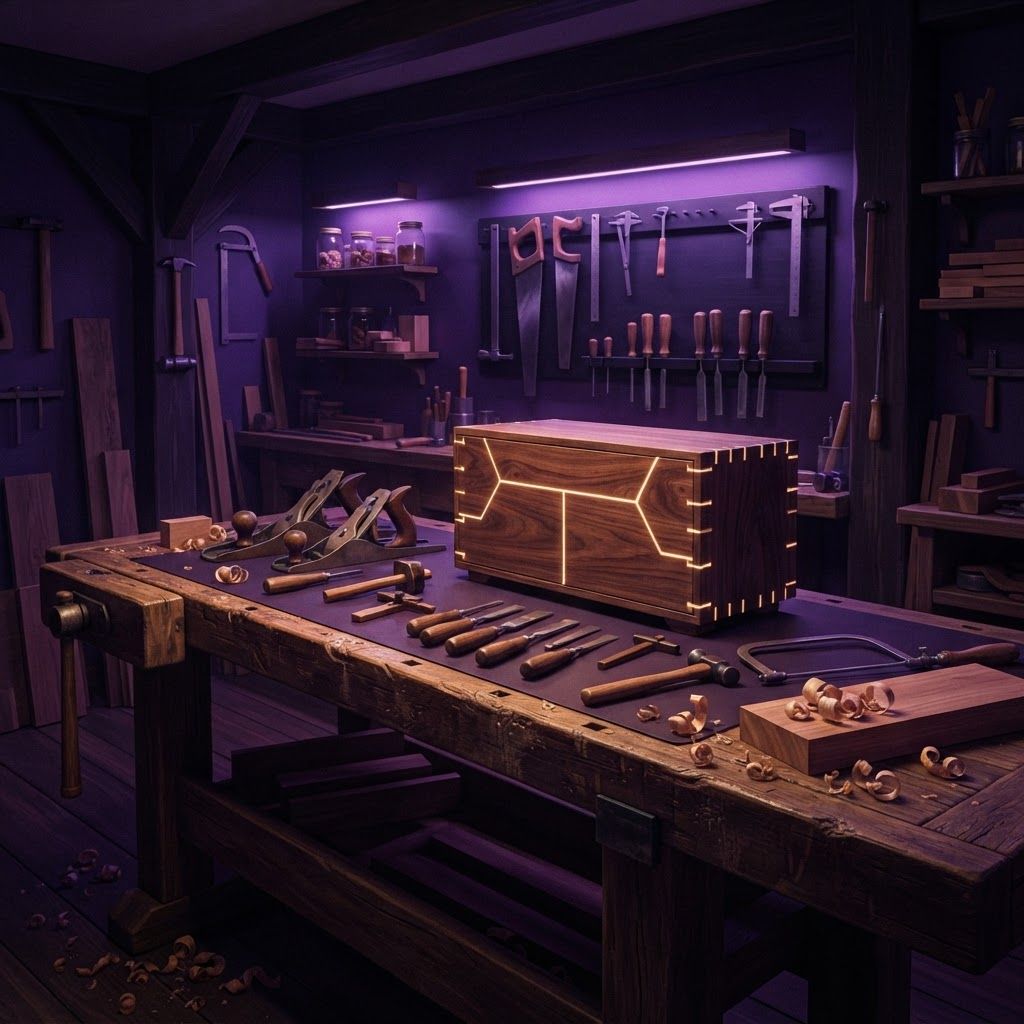
Carpentry Remains a Core Trade
Despite advances in manufactured building products, carpentry remains central to how buildings are made and finished. Framing carpenters create the structure, finish carpenters install the trim, doors, and stairs that define a room's character, and cabinetmakers build the storage and surfaces people interact with daily. In each case, the difference between adequate and excellent work is visible to anyone who looks closely.
Newport News offers particularly fertile ground for carpentry. The region has a long tradition of skilled tradework connected to shipbuilding, and many carpenters here bring an unusually high standard of precision. The city's older neighborhoods also contain substantial original millwork worth preserving, creating steady demand for restoration-capable craftspeople.
The Branches of Carpentry
Rough carpentry includes framing walls, floors, and roofs, building decks, and constructing structural elements. Accuracy at this stage determines how easily every subsequent trade can work.
Finish carpentry covers baseboards, casings, crown molding, wainscoting, stair parts, interior doors, and built-ins. It demands tight tolerances because errors are fully visible.
Cabinetmaking and joinery produces kitchens, vanities, bookcases, and furniture-grade pieces, typically in a shop with specialized machinery before installation on site.
Exterior carpentry handles porches, pergolas, siding details, and architectural trim exposed to weather, where material selection and detailing determine longevity.
The Ten Leading Carpentry Services
Peninsula Custom Carpentry offers full-service work from framing through finish, valued for crews that maintain consistent quality across the entire scope.
Hilton Village Millwork and Trim specializes in historic profile matching, reproducing original moldings for period homes using custom knives.
Warwick Cabinet Makers builds custom kitchens and built-ins in a dedicated shop, offering hardwood construction and traditional joinery methods.
James River Deck and Porch Builders concentrates on exterior structures, using weather-appropriate materials and proper flashing to prevent the rot that plagues coastal decks.
Denbigh Framing Contractors provides structural carpentry for new construction and additions, known for square, plumb work that keeps later trades on schedule.
Oyster Point Finish Carpentry focuses on high-end interior trim, coffered ceilings, paneled walls, and staircases with meticulous detailing.
Shipyard City Woodworking produces heavy timber work, custom doors, and large-scale architectural elements, drawing on the region's strong fabrication tradition.
Coastal Virginia Closet and Storage Systems designs and installs custom closets, pantries, garage storage, and home office built-ins tailored to specific spaces.
Menchville Door and Window Installation specializes in precise installation of entry doors, interior doors, and replacement windows, including proper weatherproofing.
Hampton Roads Furniture and Joinery creates bespoke furniture and feature pieces, bridging the gap between carpentry and fine woodworking.
Trends in Modern Carpentry
Digital fabrication has entered the trade. Computer-controlled routers and laser measurement tools allow shops to produce components with exceptional accuracy, reducing on-site fitting time and improving consistency across repeated elements.
Engineered materials have expanded options considerably. Engineered lumber provides longer spans and greater dimensional stability than solid sawn framing, while composite and cellular PVC trim resists moisture and insects in exterior applications where painted wood historically failed.
Built-in storage has surged in popularity. As homes are asked to accommodate work, hobbies, and family life simultaneously, custom cabinetry that fits awkward spaces precisely offers value that stock furniture cannot match.
There is also renewed appreciation for visible craftsmanship. Exposed beams, slat walls, paneled details, and natural wood finishes have returned to favor after years of minimal, flat interiors.
Hiring a Carpenter
Match the specialty to the job. A framing crew and a fine cabinetmaker are both carpenters, but their skill sets and tolerances differ enormously. Ask to see photographs of work closely comparable to what you need.
Discuss materials explicitly. Species, grade, and whether components are solid wood, veneered plywood, or medium-density fiberboard significantly affect both price and durability. A reputable carpenter will explain the trade-offs rather than defaulting to the cheapest option silently.
For exterior work, ask about moisture detailing: flashing, end-grain sealing, ventilation behind trim, and fastener selection. These details determine whether a porch lasts eight years or thirty in a humid coastal environment.
Finally, expect skilled carpenters to be booked ahead. Availability next week is occasionally a good sign, but for high-end finish and cabinetry work, a waiting list usually reflects demand earned through quality.
How to Judge Carpentry Quality
There are reliable indicators anyone can assess without trade experience. Look at joints where two pieces meet: gaps, uneven reveals, and visible filler suggest rushed work. Inspect corners of trim and casing, since miters that open slightly are a common sign of poor fitting or wood that was not acclimated before installation.
On cabinetry, check that doors and drawers align consistently, that reveals are even across a run, and that drawers operate smoothly when loaded rather than empty. Examine the interior construction, where solid backs and properly joined boxes distinguish quality work from stapled assemblies.
On exterior carpentry, look for sealed end grain, flashing above horizontal trim, and gaps left for expansion. These small details determine whether a structure survives a decade of humid coastal seasons intact.
Final Thoughts
Carpentry is where a building stops being a structure and starts feeling like a place. The services operating in Newport News that combine structural competence, finish precision, and thoughtful material selection produce work that is both durable and genuinely satisfying to live with, which is the enduring appeal of a well-practiced trade.