
Keeping a Vehicle Clean on the South Plains
Few American cities test a car's finish quite like Lubbock. Fine caliche dust drifts in on prevailing winds, spring brings dust storms that coat every horizontal surface, and the region's hard water leaves mineral spots that bake onto clear coat within minutes under summer sun. Add occasional hail, agricultural chemical drift and long highway drives that plaster bumpers with insects, and it becomes obvious that washing a car in Lubbock is a genuine maintenance task rather than a cosmetic one.
That reality has produced a competitive and surprisingly sophisticated car wash market. Lubbock supports express tunnels, full-service detail studios, self-serve bays, mobile operators and ceramic coating specialists, and the best of them have adapted their process specifically to local water chemistry and dust conditions.
The Main Types of Car Wash Services Available
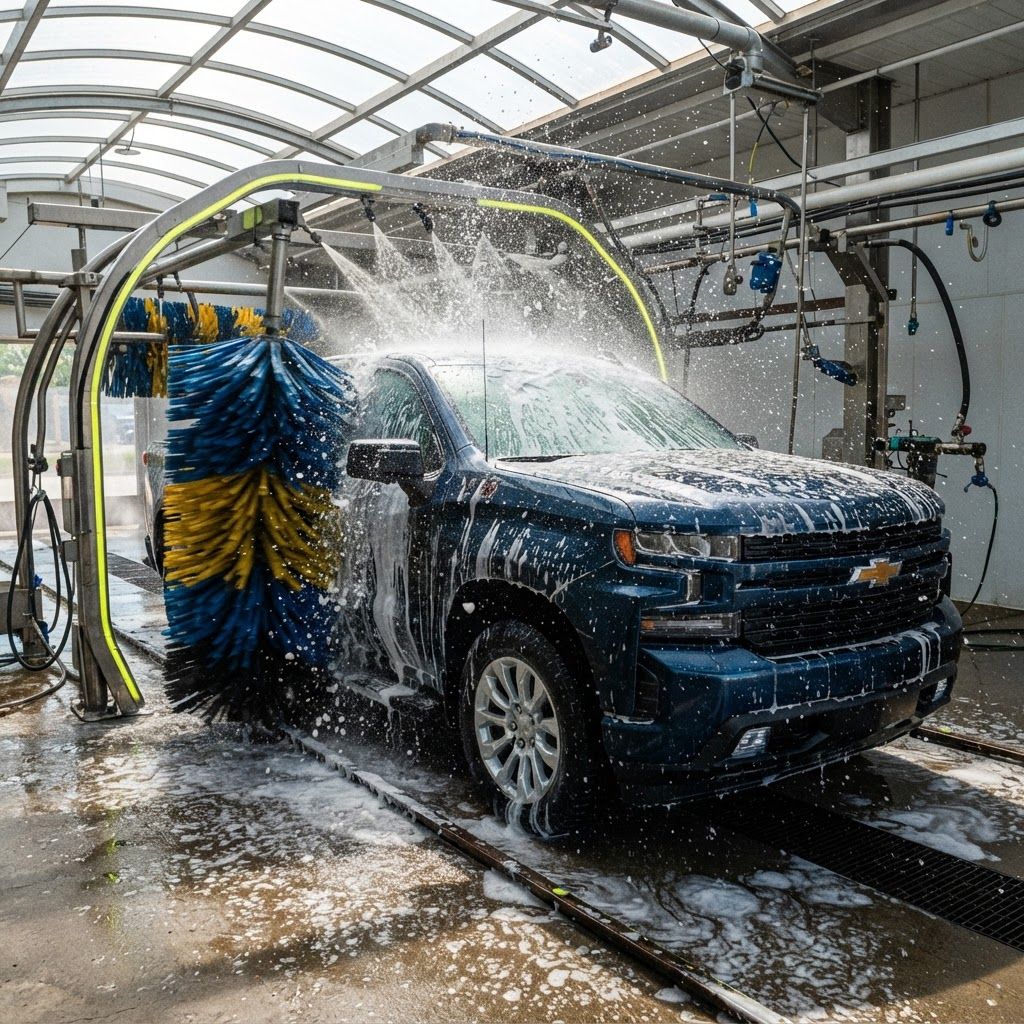
Express tunnel washes dominate the volume market. A vehicle is pulled through an automated tunnel on a conveyor, passing through pre-soak, foam, soft-cloth or touch-free cleaning stages, a protectant application and a high-powered dryer. The appeal is speed, consistency and unlimited monthly membership pricing. For drivers dealing with recurring dust, a membership that allows two or three washes a week transforms the economics of keeping a car clean.
Touch-free automatic washes rely entirely on high-pressure water and chemistry, with nothing physically contacting the paint. They are the safer choice for dark colours, delicate finishes and vehicles with existing clear coat damage, though they may struggle with heavily bonded road film.
Self-serve bays remain popular in Lubbock, particularly for trucks, trailers, farm equipment and pet owners. A coin or card operated wand gives the user control over pressure, soap and rinse, and most sites also provide foaming brushes and vacuum stations. For anyone washing a mud-caked work truck, a self-serve bay is often the only practical option.
Full-service and hand wash operations combine an exterior wash with interior vacuuming, window cleaning, dashboard treatment and tyre dressing. Staff handle the vehicle directly, which allows attention to wheels, door jambs, badges and other areas automated equipment cannot reach.
Detail studios and ceramic coating specialists occupy the premium end. Their work includes clay bar decontamination, machine polishing to remove swirl marks, paint correction, ceramic or graphene coating, paint protection film, headlight restoration and deep interior extraction. These are appointment-based services measured in hours or days rather than minutes.
Mobile detailers bring equipment, water and power to a customer's home or workplace. Convenience is the obvious benefit, and mobile operators have grown quickly in Lubbock's residential neighbourhoods and among fleet customers who cannot spare vehicles for a trip across town.
What Defines a High Quality Wash
Water quality is the single most underrated factor in Lubbock. Hard water leaves calcium and magnesium deposits that etch into clear coat. The best operations finish with a spot-free rinse drawn from a reverse osmosis or deionised water system, which is why some washes leave a flawless finish while others leave a haze of white specks.
Equipment maintenance matters just as much. Soft-cloth tunnels are perfectly safe when the material is clean and well maintained, but neglected cloth carries grit from previous vehicles and inflicts fine scratches. Well-run sites replace media on schedule, filter and reclaim water properly, and keep dryers in good order.
Chemistry selection separates thoughtful operators from careless ones. Overly aggressive alkaline detergents strip wax and dull trim over time. Good washes use pH-balanced soaps, dedicated wheel cleaners, dedicated bug removers and a sealant or polymer protectant that actually bonds rather than simply beading water for a day.
Finally, process discipline shows in the details. Are wheels pre-treated separately? Are microfibre towels colour-coded and laundered? Is the drying stage thorough enough to prevent water pooling in mirrors and trim? These small procedures are what distinguish a genuinely good wash from an adequate one.
Trends Reshaping the Lubbock Car Wash Market
Subscription membership has fundamentally changed customer behaviour. Unlimited monthly plans with licence plate recognition mean drivers no longer weigh the cost of each individual wash, and frequent washing is objectively better for paint because contaminants spend less time bonded to the surface.
Water reclamation has also advanced significantly. Modern tunnels recycle a substantial share of their water, which matters in a region where groundwater is a serious long-term concern. Professional washes now typically use far less fresh water per vehicle than washing at home with a garden hose.
Ceramic coating has moved from an enthusiast niche to a mainstream recommendation, and for good reason in Lubbock. A properly applied coating adds hydrophobic behaviour and UV resistance, making dust rinse off more easily and slowing the oxidation that intense sun accelerates.
Interior air quality services, including ozone or enzyme odour treatment and cabin filter replacement, have grown alongside allergy awareness in a dusty climate.
Choosing the Right Service for Your Situation
Match the service to your goal. For routine dust removal, an express tunnel membership offers the best value and the least paint risk when the site is well maintained. For a leased vehicle approaching turn-in, a full-service wash with interior detailing addresses the inspection points that matter. For a newly purchased vehicle you intend to keep for years, an initial decontamination and ceramic coating from a dedicated detail studio is the most cost-effective long-term protection.
Ask a few direct questions before committing. Does the site use spot-free final rinse water? How often is tunnel media replaced? Are separate mitts and towels used for wheels and paint? Does the detailer carry insurance and provide a written scope of work? Reputable operators answer these easily.
Timing helps too. Wash early in the morning or late in the day during summer, since a hot panel dries water before it can be wiped away. After a dust storm, rinse thoroughly before any contact washing so grit is flushed rather than dragged across the paint. And avoid washing immediately before an expected hailstorm, which is advice that only makes sense in West Texas.
Final Thoughts
Lubbock's climate is hard on vehicles, but the city's car wash and detailing sector has genuinely adapted to it. Whether you want a two-minute express rinse on the way to work, a self-serve bay for a working truck, or a multi-day paint correction and coating, the options exist locally at a good standard. The key is understanding what each format actually does, judging operators on water quality and equipment care rather than signage, and washing frequently enough that dust never gets the chance to settle in.