
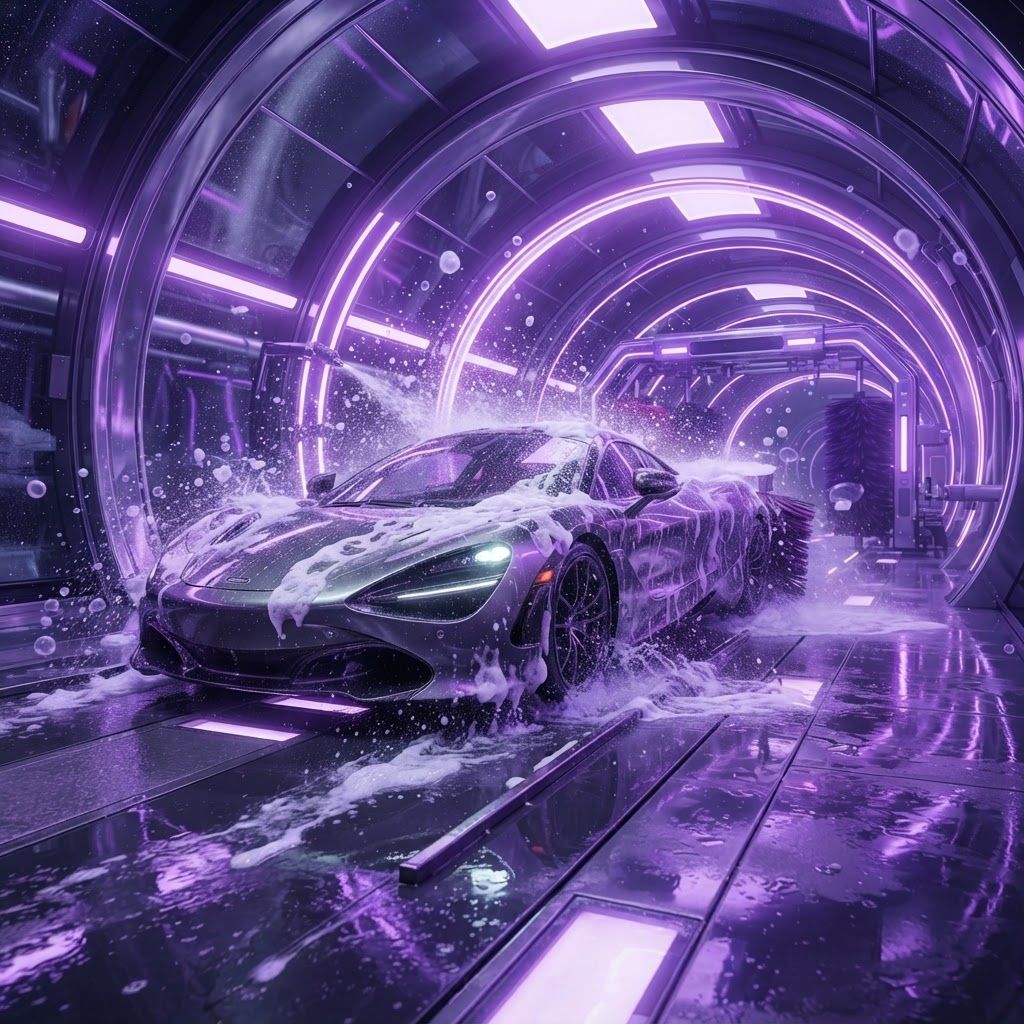
Washing a Car in a Coastal Climate
In Chesapeake, keeping a vehicle clean is a preservation activity. The city's proximity to the Elizabeth River, the Intracoastal Waterway and the Chesapeake Bay means airborne salt settles on paint and metal year-round. Spring brings heavy pine and oak pollen that traps moisture against clear coat. Summer combines intense sun with high humidity, baking contaminants into the finish. Winter brings road treatment chemicals during freeze events. Left unaddressed, this combination produces etching, oxidation, water spotting and eventually corrosion in seams and undercarriage components. A consistent washing routine is one of the cheapest forms of vehicle maintenance available.
What Makes a Good Wash Service
The essentials are clean water, appropriate pH-balanced chemistry, soft or non-contact cleaning methods, effective undercarriage flushing and thorough drying. Grit carried in dirty brushes or reused wash mitts is the primary cause of swirl marks, so equipment maintenance matters as much as technique. Water reclamation systems, increasingly common, reduce environmental impact and often improve consistency because filtered water leaves fewer mineral deposits. The best operators also offer protective steps — sealants, ceramic-infused coatings or wax applications — that extend the benefit of each wash.
1. Automatic Tunnel Car Washes
Tunnel washes are the workhorses of the Chesapeake market, positioned along major commercial corridors. A conveyor pulls the vehicle through sequential stages: pre-soak, friction or touchless cleaning, undercarriage spray, rinse, protectant application and forced-air drying. The best facilities use modern closed-cell foam or soft-cloth media that is continuously rinsed, avoiding the abrasive risk associated with older brush systems. Unlimited monthly memberships have transformed this segment, making frequent washing economical — which is exactly what coastal conditions require.
2. Touchless Automatic Washes
Touchless systems rely on high-pressure water and stronger chemistry rather than physical contact. For owners of vehicles with delicate paint, aftermarket wraps, ceramic coatings or dark colours that show swirls readily, this is the safer automated choice. The trade-off is reduced effectiveness on heavy, bonded contamination such as baked-on road film or thick pollen, which may require a follow-up hand wash.
3. Self-Service Wash Bays
Coin and card-operated bays give owners full control over pressure, chemistry and contact. They are ideal for washing trucks with cargo beds, boat trailers, motorcycles and oversized vehicles that will not fit through a tunnel. In a boating region like Chesapeake, the ability to thoroughly flush salt water from a trailer after launching is a significant practical benefit. Bringing your own microfibre towels and wash mitt is strongly advised, since supplied brushes may carry grit from previous users.
4. Full-Service Hand Wash Facilities
Hand wash operations combine exterior washing with interior vacuuming, window cleaning, dashboard treatment and tire dressing. The two-bucket method, dedicated wheel tools and clean microfibre drying towels produce a noticeably better result than automated systems, particularly around mirrors, badges, grilles and door jambs. For owners who value finish quality and are willing to trade time for it, this remains the benchmark for routine washing.
5. Mobile Detailing Services
Mobile detailers travel to homes and workplaces with self-contained water and power, which has made premium detailing far more accessible. Services range from a maintenance wash to full paint correction. The convenience is substantial for busy households, and many operators use water-reclamation mats to comply with local runoff requirements. Booking ahead is important during spring and autumn peak seasons.
6. Paint Correction and Polishing Specialists
Paint correction is a distinct craft. Using machine polishers, graded compounds and paint depth measurement, specialists remove swirl marks, oxidation, water etching and light scratches to restore gloss and clarity. In Chesapeake, sun exposure combined with salt makes oxidation a common issue on older vehicles, and a single professional correction can dramatically improve resale appearance. Because correction removes a small amount of clear coat, it should be done selectively and followed by protection.
7. Ceramic Coating Installers
Ceramic coatings form a semi-permanent, chemically bonded layer over paint that resists contamination, improves water beading and simplifies washing. For coastal vehicles, the reduced adhesion of salt and pollen is the practical advantage, along with better resistance to chemical etching. Quality installation requires thorough decontamination and paint correction first, controlled environment curing and realistic expectations — coatings reduce washing effort and chemical damage but do not make paint scratch-proof.
8. Interior Detailing and Odour Removal Services
High humidity makes interior care especially relevant. Specialists offer hot-water extraction of carpets and upholstery, leather cleaning and conditioning, headliner treatment, air vent sanitisation and ozone or enzyme treatment for mould and mildew odours. Vehicles that have experienced water intrusion during heavy rain or tidal flooding benefit significantly from professional drying and antimicrobial treatment before problems become permanent.
9. Fleet and Commercial Washing Providers
Chesapeake's service businesses, contractors and delivery operators need washing at scale. Commercial providers wash on-site at depots, often overnight, handling vans, box trucks and heavy equipment. They typically offer scheduled contracts, logo-safe chemistry that will not damage vinyl graphics, and documentation for compliance purposes. Clean vehicles function as active advertising for these businesses, so consistency matters commercially as well as mechanically.
10. Boat, RV and Trailer Wash Services
The area's marine and recreational vehicle ownership supports specialists in oversized washing. These providers handle hull cleaning, oxidation removal from gel coat, awning cleaning, roof treatment and salt neutralisation on trailers and outboards. Because saltwater exposure is direct and repeated for these assets, professional rinsing and protection materially extend service life.
Trends in the Car Wash Industry
Subscription memberships have become the dominant commercial model, shifting the economics toward frequent washing. Water reclamation and reduced-chemistry formulations are now standard in new construction, driven by both regulation and cost. Licence-plate recognition and app-based entry have removed friction at the gate. Ceramic-infused wash products applied in tunnels have narrowed the gap between express and hand-applied protection. And touchless technology continues to improve, closing its historic cleaning-performance deficit.
A Practical Routine for Chesapeake Owners
Wash every two weeks as a baseline, and weekly during heavy pollen season or after any drive through standing salt water. Always use the undercarriage rinse option near the coast. Apply a sealant every three to four months, or maintain a ceramic coating with the manufacturer-recommended topper. Dry with clean microfibre rather than letting mineral-rich water evaporate on the paint. Clean wheels first with a dedicated tool, since brake dust is highly abrasive. Keep the interior dry and ventilated to prevent mildew, and address any water leak promptly.
Final Thoughts
Chesapeake offers a genuinely broad range of washing options, from three-minute express tunnels to multi-day paint correction. The right choice depends on the vehicle's value, its paint condition and how much of your own time you want to invest. Whatever the method, frequency is what protects the finish: in a salt-air environment, a consistently adequate wash beats an occasional perfect one.