
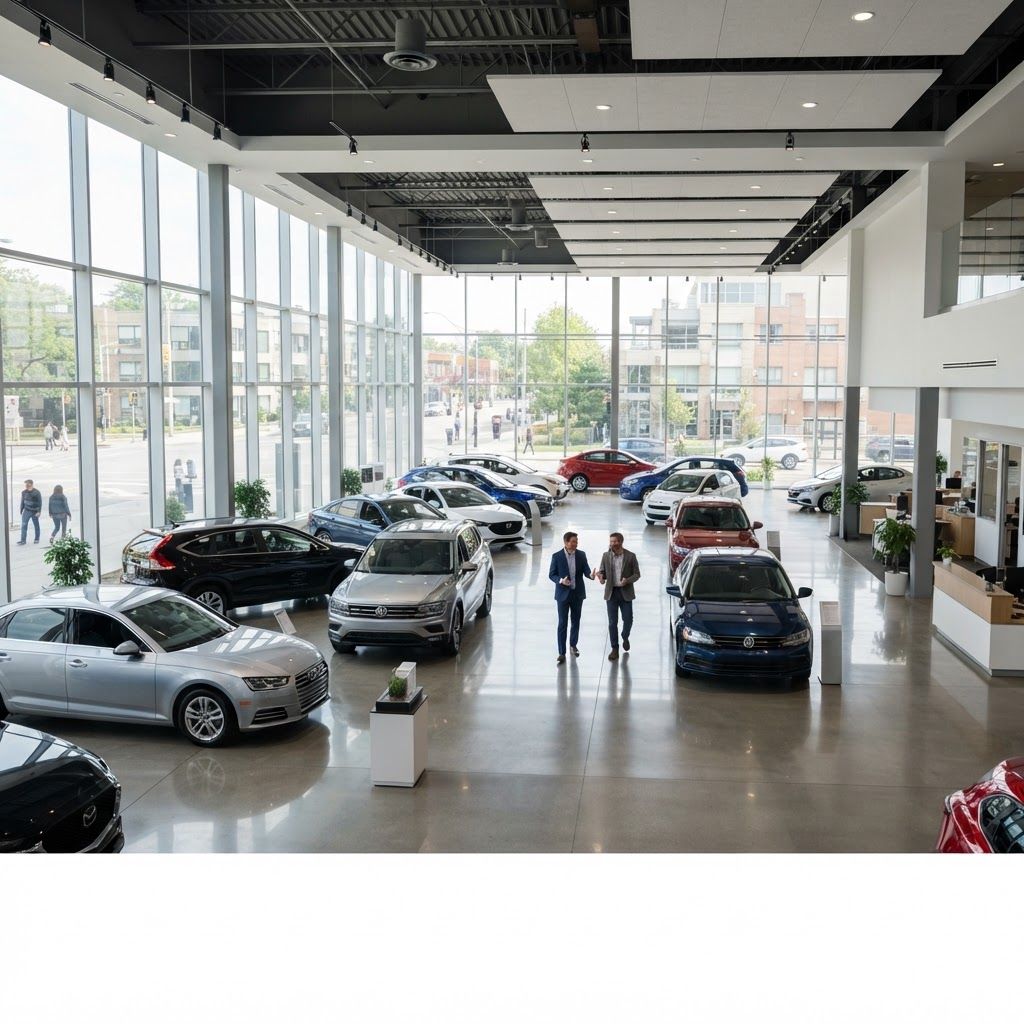
Understanding the St. Louis Automotive Market
The St. Louis metro area supports a large and unusually competitive automotive retail landscape. Dealer clusters along Manchester Road, along the Interstate 270 corridor, in St. Peters and St. Charles, and in South County create real price pressure, and buyers who are willing to cross the metro or the river into Illinois can often find meaningful savings on the same model. The region also has a strong manufacturing heritage, with vehicle assembly operations in the area historically shaping local brand loyalty in ways that still influence buying patterns.
Current market conditions reward preparation. New vehicle inventory has recovered from the shortages of recent years, incentives have returned across most brands, and electrified models now occupy a meaningful share of dealer lots. At the same time, average transaction prices and loan terms remain high, which makes financing structure as consequential as the negotiated price.
What Makes a Dealership Genuinely Good
Price is only one factor. The dealerships that earn lasting reputations in St. Louis tend to share several traits: transparent pricing with fees disclosed before the finance office, inventory depth that gives buyers real choice, service departments that retain technicians and honor appointment windows, and sales staff compensated in ways that do not punish honest guidance. Consistency of the used vehicle reconditioning process is another strong signal, as is willingness to share vehicle history and inspection documentation without being asked.
Ten Leading Dealerships in the St. Louis Area
1. Lou Fusz Automotive Network is among the most recognizable dealer groups in the region, representing a broad portfolio of brands across numerous metro locations. The scale means a buyer can compare several manufacturers within one organization, and the group's long tenure in the community has produced deep service infrastructure.
2. Bommarito Automotive Group operates one of the largest multi-brand footprints in Missouri, spanning mainstream and luxury franchises. Its inventory volume is a genuine advantage for buyers searching for specific trims and configurations rather than accepting what happens to be on the lot.
3. Suntrup Automotive Family has served St. Louis for generations with franchises covering domestic and import brands. It is widely regarded for straightforward service operations and strong parts availability.
4. Dave Sinclair Automotive Group maintains a long-standing presence in South County and beyond, with a reputation built on volume sales of popular domestic and import models and a well-established service network.
5. Jim Butler Auto Group is known regionally for performance vehicles alongside its mainstream franchises, and it has cultivated a following among enthusiasts looking for specific engine and drivetrain combinations.
6. Weber Chevrolet is a long-tenured family-operated franchise with locations serving the metro area, recognized for truck inventory depth and commercial vehicle expertise, which matters in a region with substantial trade and construction activity.
7. Plaza Motors serves the luxury segment, representing premium European and specialty brands with the concierge-level service expectations that come with them. For buyers in that tier, the difference in delivery experience and loaner logistics is substantive.
8. Ackerman Toyota, located in the city, has built durable loyalty around a brand with strong resale values and a service department that handles high volume without sacrificing turnaround.
9. CarMax offers a no-haggle used vehicle model with multi-location inventory transfer, which appeals strongly to buyers who value price certainty and a straightforward return window over the possibility of negotiating a better deal.
10. Carvana and comparable online retailers now compete directly in the St. Louis used market with home delivery and remote paperwork. They are worth including because their pricing has forced traditional dealers to publish more transparent numbers, which benefits every buyer in the region.
Trends Buyers Should Know
Electrification is reshaping dealer operations. Charging infrastructure, technician certification and battery service capability now vary significantly between stores within the same brand, so buyers considering an electric or hybrid vehicle should ask directly about high-voltage service capability. Certified pre-owned programs have also become more important as new vehicle prices stay elevated, and the reconditioning standards behind those programs differ more than the marketing suggests.
Financing deserves particular scrutiny. Securing a preapproval from a credit union before visiting a dealership gives buyers a genuine benchmark and often reveals how much margin sits in the dealer-arranged rate. Extended warranty and protection products should be evaluated on written terms, not verbal summaries.
A Practical Buying Process
Start by narrowing to two or three specific models based on need rather than brand preference. Request out-the-door pricing in writing from multiple stores, including all fees and taxes, so comparisons are honest. Schedule test drives that include highway merging and rough pavement, both of which the region provides in abundance. On used vehicles, request the full service history and a pre-purchase inspection from an independent shop. Finally, negotiate the vehicle price, the trade-in value and the financing terms as three separate conversations rather than allowing them to be blended into a single monthly payment.
Service Relationships Matter Long Term
The value of a dealership is realized over years of ownership, not on the day of purchase. Ask about loaner availability, weekend service hours, recall handling and how the store manages warranty claims. In a metro area with this many franchise options, a buyer who is treated poorly in service has plenty of alternatives, and dealerships with strong reputations understand that dynamic.
Conclusion
St. Louis buyers benefit from real competition among large dealer groups, family-owned franchises, luxury retailers and online used vehicle platforms. The best outcomes come from comparing out-the-door prices across at least three stores, arranging independent financing, and choosing a dealership whose service department you can live with for the next several years.