
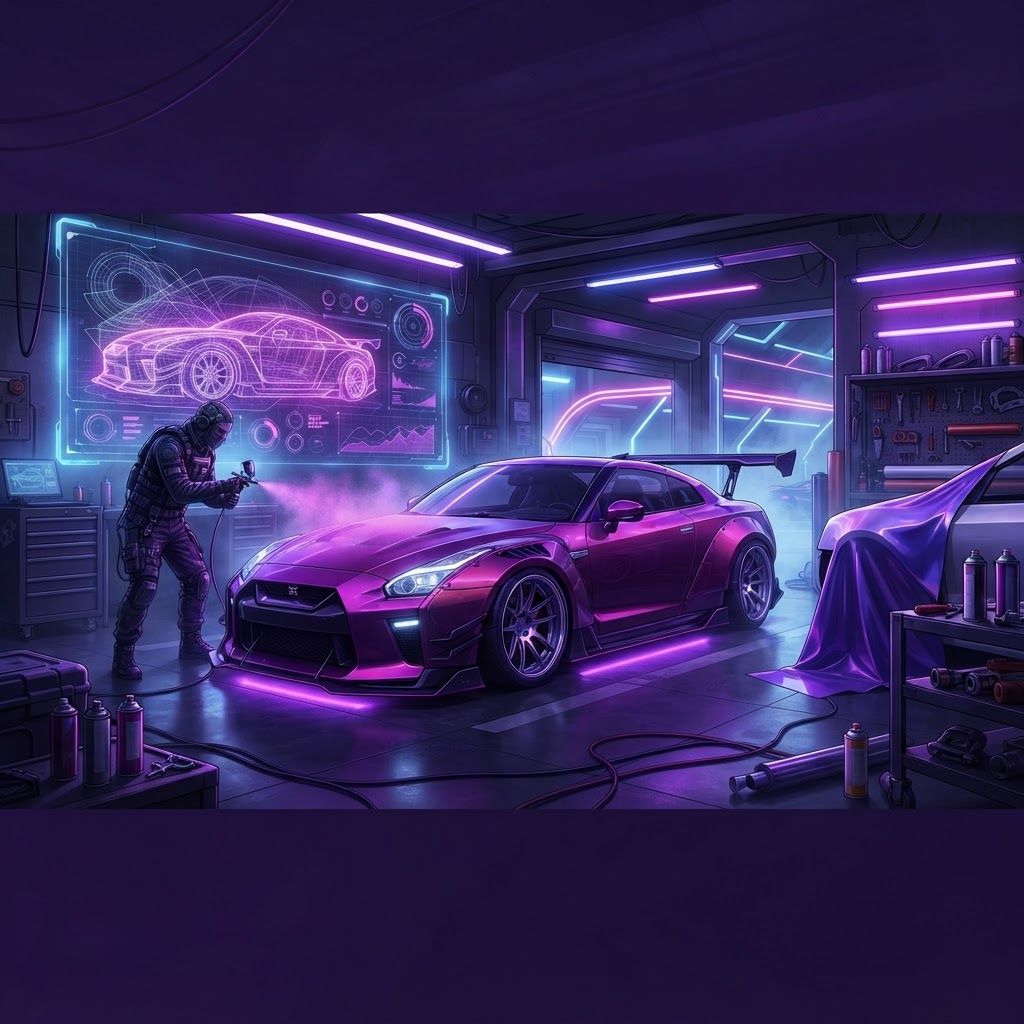
Salem's Modification Culture
Car customisation in Salem is not a niche hobby. Walk through the automotive commercial streets and you will find shops dedicated to audio systems, interior upholstery, lighting, wheels, protective films, and performance parts, often operating alongside the repair workshops and parts dealers that support them. The city's strong engineering and fabrication base contributes directly, since the skills required for quality custom work overlap heavily with those found in its manufacturing sector.
Demand comes from several directions. Owners of mass-market vehicles want the features their variant did not include. Enthusiasts want their car to look and sound distinctive. Business owners upgrade interiors for client-facing use. Weekend drivers heading to Yercaud or on longer tours want comfort, lighting, and practical additions. And a substantial segment simply wants better protection for paint and interior against Salem's dust and sun.
Categories of Customisation
Audio and infotainment is the largest category by volume, covering head units, speakers, amplifiers, subwoofers, and sound damping. Interior work includes upholstery, seat covers, dashboard trim, ambient lighting, and floor treatment. Exterior styling covers body kits, wraps, decals, spoilers, and grille modifications. Lighting upgrades address headlamps, auxiliary lamps, and interior illumination.
Wheels and tyres change both appearance and handling significantly. Protective additions include paint protection film, ceramic coating, and underbody treatment. Comfort and convenience upgrades cover ventilated seat systems, reverse cameras, parking sensors, and dashcams. Performance work, which requires the most caution, includes intake, exhaust, suspension, and engine management modifications.
The Top 10 Customisation Options in Salem
1. Car Audio and Infotainment Specialists. Dedicated audio shops in Salem handle everything from a simple head unit upgrade to complete multi-amplifier builds with custom enclosures. The quality difference between a good installer and a poor one is enormous and rarely about the components: proper installation involves correct wiring gauge, secure grounding, sound damping in doors and floor, careful speaker placement, and tuning. A moderate system installed properly outperforms an expensive one installed badly, every time.
2. 3M Paint Protection and Detailing Centres. For owners prioritising protection over appearance change, 3M authorised centres apply paint protection film and ceramic coatings using proper preparation and controlled application environments. Paint protection film is particularly relevant for highway driving where stone chips on the bonnet and bumper are inevitable. The work is precise and benefits substantially from trained application, since poor film installation leaves visible edges and trapped debris.
3. Interior and Upholstery Specialists. Salem's upholstery workshops rework seats, door trims, roof liners, and dashboards in leather, leatherette, and fabric, with quality ranging from basic seat covers to full custom interiors. The best operators pattern and stitch to fit precisely rather than using generic covers, and they work around airbag deployment seams correctly, which is a safety-critical detail many cheap installers ignore entirely.
4. Automotive Lighting Specialists. Lighting upgrades cover projector headlamp conversions, auxiliary driving lamps for highway and ghat road use, fog lamps, and interior ambient lighting. The important distinction is between properly engineered upgrades that improve visibility and cheap high-intensity bulbs fitted into reflector housings, which scatter light, dazzle oncoming drivers, and are illegal. A competent specialist will explain this rather than simply selling the brightest option.
5. Alloy Wheel and Tyre Shops. Wheel upgrades change appearance dramatically and affect handling, ride comfort, and speedometer accuracy. Good shops advise on maintaining the correct overall rolling diameter when changing wheel size, so that the speedometer stays accurate and the suspension geometry is not compromised. They also handle balancing and alignment after fitment, which is essential rather than optional.
6. Vinyl Wrap and Graphics Studios. Vehicle wrapping has grown as an alternative to repainting, offering colour change that is reversible, protects the original paint underneath, and preserves resale flexibility. Quality wrapping requires a clean indoor environment, careful surface preparation, and skilled handling around complex curves and door handles. Partial wraps, roof wraps, and accent graphics are popular lower-cost options.
7. Body Kit and Exterior Styling Workshops. Shops handling bumpers, side skirts, spoilers, diffusers, and grille modifications work in both moulded plastic and fibreglass, and Salem's fabrication capability means custom work is genuinely available rather than limited to off-the-shelf kits. The key quality indicators are panel fitment, mounting security, and paint match, since a poorly fitted kit with mismatched paint looks considerably worse than a standard car.
8. Comfort and Safety Accessory Installers. This practical category covers reverse cameras, parking sensors, dashcams, tyre pressure monitoring systems, ventilated seat kits, and cruise control retrofits. These deliver genuine daily benefit rather than cosmetic change, and they are often the best value modifications available. Installation quality matters for reliability, particularly with anything tapping into the vehicle's electrical system, where improper connections cause intermittent faults that are difficult to trace later.
9. Suspension and Handling Specialists. Suspension work includes upgraded dampers, springs, strut bars, and bushings, aimed at improving handling or, in some cases, increasing ground clearance for rough roads. This requires genuine expertise because suspension changes affect braking, stability, and tyre wear. Lowering a vehicle in a region with speed breakers and variable road surfaces is frequently a decision owners regret, and a good specialist will say so.
10. Two-Wheeler Customisation Workshops. Salem's motorcycle culture supports a parallel customisation scene covering exhaust systems, seat modification, handlebar changes, lighting, crash protection, luggage mounting for touring, and cosmetic work. Touring-focused modifications for riders heading to hill routes are particularly popular, and the practical additions such as engine guards, proper luggage racks, and auxiliary lighting genuinely improve long-distance riding.
What the Law Actually Permits
Indian motor vehicle regulations restrict modifications that alter a vehicle from its registered specification. Changes to the structure, engine capacity, fuel type, or colour require formal endorsement in the registration certificate. Modifications that compromise safety or cause nuisance are prohibited outright.
Specifically problematic areas include excessively loud aftermarket exhausts, lighting that dazzles other road users, dark window films exceeding permitted visible light transmission, and bull bars or crash guards fitted to the front of cars, which interfere with crumple zone and airbag sensor function. Registration plate alteration and the fitting of unauthorised sirens or beacons are also prohibited.
Modifications that generally remain acceptable include audio systems, interior upholstery, seat covers, paint protection film, ceramic coating, alloy wheels within reasonable size limits, dashcams, parking sensors, and reverse cameras. When in doubt, ask the shop whether the modification requires registration endorsement, and be sceptical of any operator who dismisses the question.
Warranty and Insurance Implications
Modifications can affect warranty coverage, though not universally. A manufacturer cannot void an entire warranty because of an accessory, but it can deny a claim for a component whose failure is attributable to the modification. An electrical fault arising from a poorly installed audio system, for example, is unlikely to be covered.
Insurance requires more care. Undeclared modifications can give an insurer grounds to reduce or reject a claim, particularly where the modification is relevant to the incident. Declaring modifications typically increases the premium slightly but protects the claim, and for expensive additions such as audio systems or protective film, declaring them also ensures they are covered rather than excluded.
Spending Sensibly
The highest-return modifications are usually the least glamorous. Good tyres improve braking, handling, and safety more than any styling change. Sound damping in doors and floor improves both audio quality and cabin refinement noticeably. Paint protection film preserves resale value. A reverse camera prevents expensive parking damage.
Conversely, extensive cosmetic modification frequently reduces resale value, because the next buyer may not share your taste and reversing the work costs money. Reversible modifications such as wraps, bolt-on accessories, and removable audio components preserve flexibility in a way that permanent structural changes do not.
Choose the installer on workmanship rather than price. Ask to see completed examples, inspect wiring quality behind panels if possible, and confirm what warranty the shop offers on its own labour. A shop unwilling to stand behind its installation is telling you something important.
Final Thoughts
Salem's customisation scene combines genuine fabrication skill with a broad supplier base, covering audio, interiors, lighting, wheels, wraps, body styling, protective coatings, comfort accessories, suspension, and two-wheeler work. Audio specialists and 3M protection centres lead their respective categories, upholstery and wrap studios deliver visible transformation, and accessory installers offer the best practical value. Prioritise modifications that improve safety, comfort, or protection before those that only change appearance, verify legality before committing, declare significant changes to your insurer, and select the installer on demonstrated workmanship rather than on the lowest quotation.