
The State of Car Customization in Aurora
Vehicle personalisation in Aurora has matured well beyond loud exhausts and oversized wheels. Today's local scene is split across several distinct disciplines, each with its own tooling, skill set, and quality standards. Appearance work has become highly technical, with vinyl wrapping and paint protection film demanding controlled environments and precise pattern work. Performance tuning now involves electronic engine management and data logging rather than mechanical adjustment alone. Audio and electronics installation requires understanding of modern vehicle data networks. Understanding these divisions is the first step to a build that turns out the way you imagined it.
Local conditions also shape what makes sense. Harsh winters make undercoating, corrosion-resistant hardware, and removable modifications more attractive than in milder climates. Salt exposure punishes polished aluminium and unprotected chrome. Regulatory considerations around lighting, window tint levels, exhaust noise, and emissions equipment mean that reputable shops will steer you away from modifications that create inspection or insurance complications.
1. Full-Service Custom Build Shops
These are the shops that take a project from concept to completion, handling fabrication, drivetrain work, suspension design, paint, interior, and electronics under one roof. Their value is coordination: a single team owns the outcome, so wheel fitment matches suspension geometry, and brake clearance is verified before wheels are ordered. Expect detailed project planning, staged budgeting, and documented progress. This route costs more but avoids the finger-pointing that plagues multi-vendor builds.
2. Vinyl Wrap and Paint Protection Film Installers
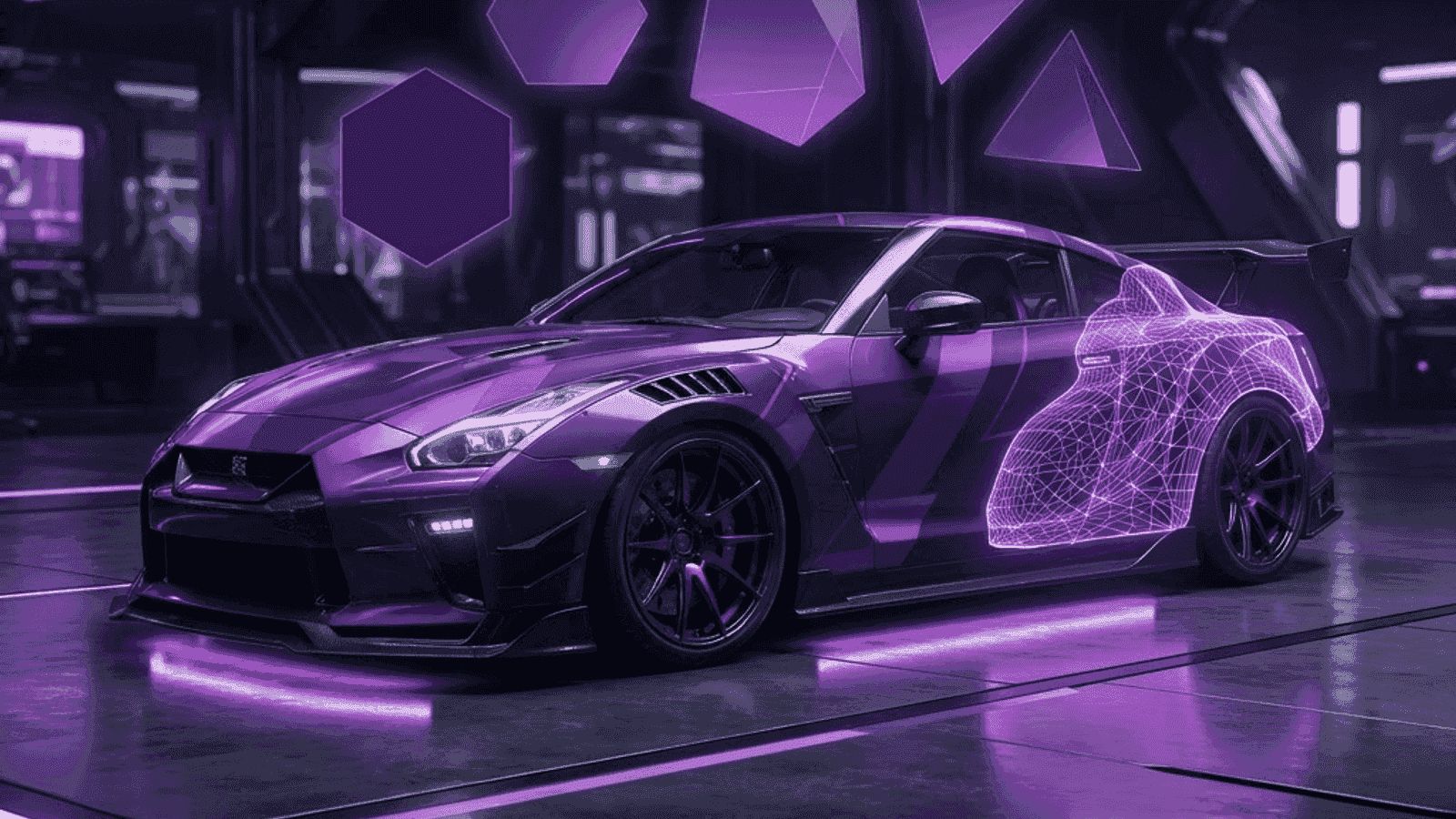
Wrapping has become the dominant appearance modification because it is reversible, protects the original paint, and offers finishes such as satin, matte, colour shift, and textured that paint cannot easily replicate. Quality depends almost entirely on installation environment and technique: dust-controlled indoor bays, panel disassembly rather than tucking film at edges, proper post-heating of stretched areas, and knife-free cutting on painted surfaces. Paint protection film installers apply clear urethane to impact zones, which is particularly valuable on Aurora's gravel-treated winter roads.
3. Performance Tuning and Engine Management Specialists
Modern tuning is a software discipline supported by hardware. Serious shops operate chassis dynamometers, perform data logging on knock, air-fuel ratio, and intake temperatures, and develop calibrations specific to the vehicle rather than loading generic files. Work in this category includes intake and exhaust upgrades, intercooling improvements, turbocharger and supercharger installation, fuel system upgrades, and standalone engine management. A responsible tuner discusses fuel quality requirements, reliability trade-offs, and warranty implications before touching a calibration.
4. Suspension and Handling Specialists
Lowering springs, coilovers, air suspension, sway bars, bushings, and chassis bracing all change how a vehicle behaves, and local road quality means ride comfort cannot be ignored. Good suspension shops measure corner weights, set proper ride height before alignment, and perform a full alignment with camber and toe adjustment afterward. For air suspension installations, they route lines and mount tanks and compressors where winter moisture and salt will not cause failures, which is a genuine local concern.
5. Wheel and Tyre Fitment Shops
Wheel selection looks simple and rarely is. Offset, backspacing, hub bore, load rating, brake caliper clearance, and tyre sidewall height all interact. Specialist fitment shops model clearances, advise on winter-appropriate secondary wheel sets, use torque procedures rather than impact guns for final tightening, and perform road force balancing to eliminate vibration. In a climate where a second set of winter wheels is standard practice, these shops often handle seasonal storage as well.
6. Car Audio and Electronics Installers
Audio work in Aurora has shifted toward integration with factory infotainment rather than replacement. Skilled installers add amplifiers and processors that work alongside factory head units, install sound deadening to reduce road noise, and fabricate enclosures that fit vehicle contours. The category also covers dash cameras, remote starters, which are genuinely popular locally, upgraded lighting, backup cameras, parking sensors, and connectivity upgrades. Clean wiring, fused circuits, and no cut factory harnesses are the marks of professional work.
7. Interior and Upholstery Customization Shops
Interior specialists reupholster seats in leather, suede, or performance fabric, retrim door cards and headliners, install custom stitching and embroidery, upgrade steering wheels, and fabricate consoles and cargo solutions. The best shops pattern from the original panels, use automotive-grade adhesives and foams rated for temperature extremes, and preserve airbag deployment seams on side bolsters, which is a safety requirement often overlooked by inexperienced trimmers.
8. Lighting and Appearance Upgrade Shops
Lighting modification covers headlight and taillight replacement, projector retrofits, auxiliary lighting for trucks and off-road use, interior ambient lighting, and headlight restoration. The technical standard that separates good from bad work here is beam pattern control: proper projector housings with sharp cutoff rather than bare high-output bulbs in reflector housings that scatter glare. Reputable shops also confirm that modifications stay within legal colour and brightness requirements.
9. Off-Road and Truck Accessory Specialists
Aurora's truck and SUV owners support a strong accessory sector. Work includes suspension lift and levelling kits, larger tyre and wheel packages, bumpers and skid plates, winches, roof racks and tents, bed liners and covers, running boards, and towing package upgrades. Competent installers address the secondary effects of lifting a vehicle: driveshaft angles, brake line length, headlight aim, speedometer recalibration for larger tyres, and steering geometry correction.
10. Restoration and Restomod Shops
Restoration shops rebuild classic and vintage vehicles, while restomod builders combine period appearance with modern drivetrains, braking, suspension, air conditioning, and electronics. This is the most labour-intensive category, involving metal fabrication, rust repair, panel alignment, and multi-stage paint. Given local corrosion levels, honest metalwork assessment before quoting is essential, and the best shops document every stage photographically for owners and future valuation.
Planning a Build That Works
Define the vehicle's purpose before choosing parts. A daily commuter, a weekend canyon car, a show build, and an off-road rig demand different compromises, and mixing goals produces a vehicle that satisfies none of them. Sequence work logically: suspension and wheels before alignment, engine mechanical before tuning, bodywork before wrap or protection film. Set a realistic budget with a contingency, because disassembly reveals problems on any vehicle with mileage. Confirm insurance implications and declare modifications, since undeclared changes can void coverage. Keep original parts, as reversibility protects resale value.
Trends Shaping Local Customization
Several shifts are visible. Reversible modifications, especially wraps and bolt-on components, are outpacing permanent changes as owners protect resale value. Electric vehicle customization is emerging, focused on aerodynamics, wheels, suspension, sound insulation, and lighting rather than engine work. Restrained, factory-plus aesthetics have largely replaced extreme styling in the mainstream. And electronic integration expertise has become the scarcest skill in the trade, since modern vehicles route nearly everything through data networks that punish careless wiring.
Final Thoughts
Aurora offers legitimate expertise across every customization discipline, but no single shop excels at all of them. Match the specialist to the work: wraps and protection film to dedicated installers, calibration to a shop with dynamometer capability and data logging, suspension and fitment to shops that measure rather than guess, and restoration to builders with real fabrication skill. Start with a clear plan, verify previous work in person, ask to see vehicles in progress, and build in stages. Done properly, customization produces a vehicle that is more enjoyable, better suited to local conditions, and still desirable when you sell it.