
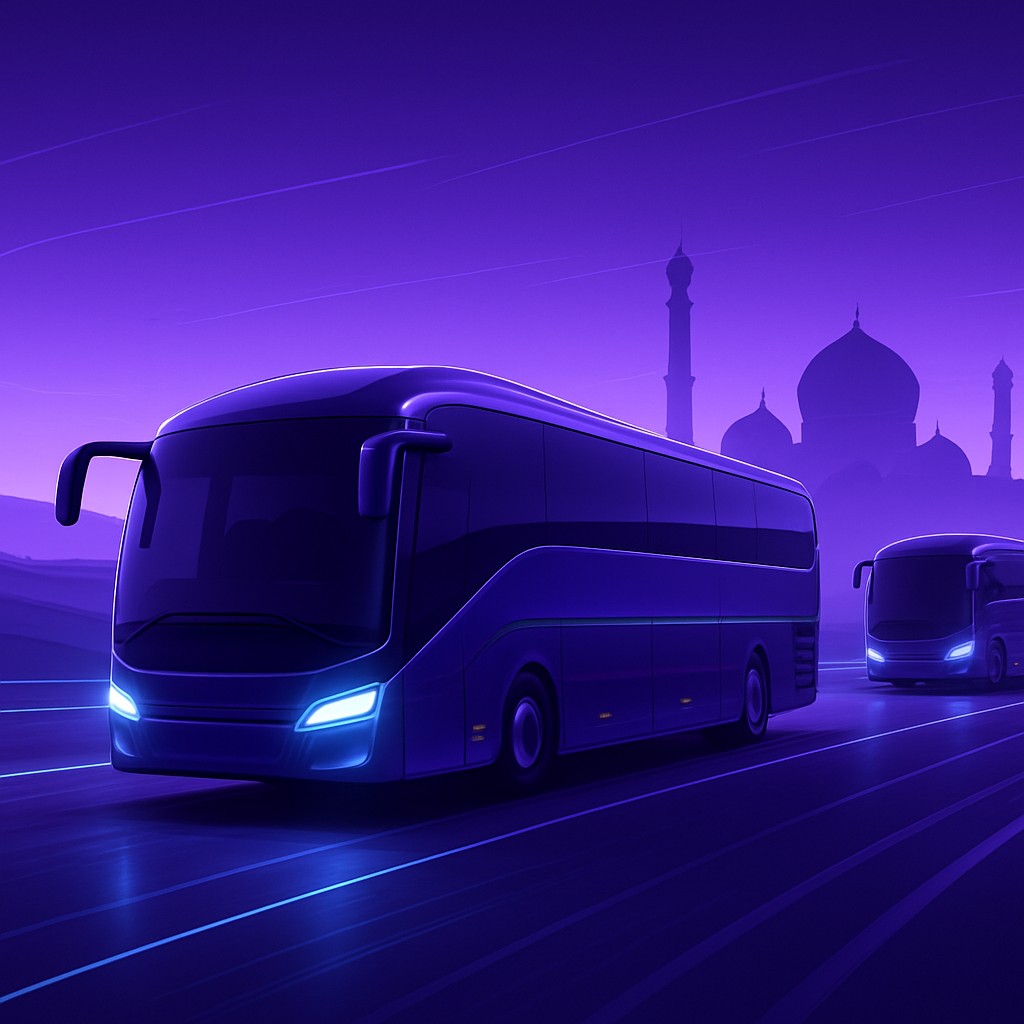
Introduction to Bus Travel in Uzbekistan
Uzbekistan has long relied on an extensive network of road transport to connect its vibrant cities, from the bustling capital of Tashkent to the historic centers of Samarkand, Bukhara, and Khiva. Bus travel remains one of the most accessible and economical ways for residents and visitors alike to traverse the country's diverse landscapes. Over the past decade, the sector has modernized significantly, with newer fleets, improved scheduling, and enhanced passenger comfort becoming the norm among leading operators.
The growing demand for dependable intercity transport has encouraged both state-backed and private companies to raise their service standards. Today, travelers can choose from a wide spectrum of options, ranging from large air-conditioned coaches for long-distance journeys to nimble minibuses serving regional routes. This article highlights ten of the most respected bus companies operating across Uzbekistan.
Leading Bus Operators Across the Country
O'zavtotrans stands as one of the cornerstone names in Uzbek road transport, operating a broad national network that links major urban centers with smaller towns. Known for its punctuality and structured scheduling, the company serves millions of passengers each year and remains a trusted choice for everyday commuters and long-distance travelers.
Tashkent Bus Company plays a vital role in serving the capital and its surrounding regions. With a modern fleet and a focus on urban connectivity, it has become synonymous with reliable city-to-suburb travel. The operator has invested heavily in cleaner vehicles and improved accessibility features, reflecting Uzbekistan's broader push toward sustainable mobility.
Samarkand Trans is celebrated for connecting the historic Silk Road city with destinations across the nation. Tourists frequently rely on this operator for comfortable journeys between cultural landmarks, and its reputation for friendly service has earned it loyal patronage.
Comfort, Safety, and Modern Fleets
Bukhara Express has built its name on comfortable long-haul coaches equipped with reclining seats, climate control, and onboard amenities. The company prioritizes passenger safety through regular vehicle maintenance and well-trained drivers, making it a favorite for families and business travelers.
Fergana Valley Lines serves the densely populated eastern regions, offering frequent departures and competitive fares. Its deep understanding of the valley's geography allows it to maintain efficient routes even through mountainous terrain. Travelers appreciate the operator's consistency and local expertise.
Nukus Auto Trans connects the Karakalpakstan region with the rest of the country, bridging significant distances with dependable service. As one of the key links to western Uzbekistan, the company provides an essential transport lifeline for communities that depend on overland connectivity.
Regional Specialists and Emerging Players
Khiva Travel Coaches caters to one of the country's most treasured tourist destinations, blending heritage tourism with practical transport solutions. The operator's coaches are popular among international visitors exploring the ancient walled city and surrounding attractions.
Andijan Motor Lines has earned recognition for its strong regional presence in the Fergana Valley, offering frequent and affordable services that keep local economies moving. Its emphasis on reliability has made it a staple for daily commuters.
Navoi Transport Group focuses on industrial and regional corridors, supporting both passenger movement and workforce transportation. The company's flexible scheduling and well-maintained vehicles make it a practical choice in central Uzbekistan.
Termez Southern Lines rounds out the list by serving the southern frontier regions. Operating routes that stretch toward the country's border areas, it provides crucial connectivity for travelers heading to and from the south.
Industry Trends and the Road Ahead
The Uzbek bus industry continues to evolve in response to rising passenger expectations and broader economic development. Operators are increasingly adopting digital ticketing, real-time tracking, and improved customer service to remain competitive. Environmental considerations are also gaining momentum, with several companies exploring cleaner fuel options and more fuel-efficient vehicles.
Tourism plays a significant role in shaping the sector, as Uzbekistan's growing appeal as a Silk Road destination drives demand for comfortable and reliable intercity travel. The combination of cultural heritage sites and affordable transport makes bus travel an attractive option for both domestic and international visitors.
Conclusion
Bus travel remains an indispensable part of life in Uzbekistan, offering affordability, accessibility, and ever-improving comfort. The ten companies highlighted here represent the diversity and dynamism of the nation's road transport landscape. Whether commuting between major cities or exploring historic destinations, travelers can rely on these operators for dependable journeys across the country. As the industry continues to modernize, passengers can look forward to even greater convenience and quality in the years ahead.