
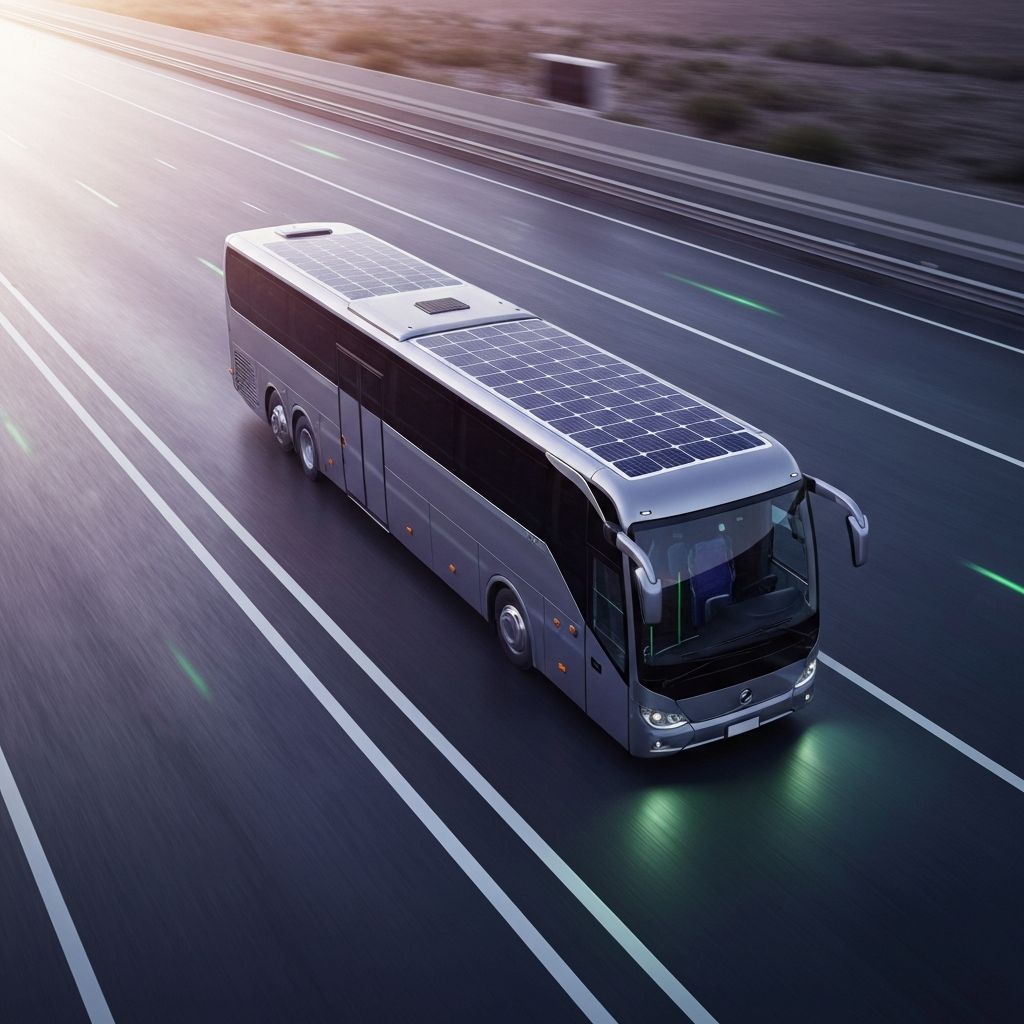
The Role of Bus Travel in Russia
Bus travel remains one of the most accessible and economical ways to traverse Russia's vast landscape. While trains and flights dominate long-distance journeys, intercity buses fill an essential role by connecting smaller towns, regional centers, and neighboring countries. For millions of passengers each year, buses offer a flexible alternative with frequent departures, direct routes, and competitive prices.
The Russian bus industry has steadily modernized, with operators replacing aging fleets with comfortable coaches featuring reclining seats, climate control, Wi-Fi, charging ports, and onboard entertainment. Online ticketing platforms now make it easier than ever to plan trips, compare schedules, and reserve seats from anywhere in the country.
What Makes a Bus Company Stand Out
The best bus companies in Russia distinguish themselves through punctuality, fleet quality, and customer service. Reliable timetables, well-maintained vehicles, and trained drivers form the foundation of a strong operator. Beyond the basics, top providers invest in safety technologies such as GPS tracking, driver monitoring systems, and regular vehicle inspections.
Comfort has also become a critical consideration. Modern routes between major cities increasingly resemble premium travel experiences, with spacious seating, refreshments, and onboard restrooms. International routes connecting Russia to Belarus, Kazakhstan, the Baltic states, and Eastern Europe demand particularly high standards, with experienced drivers and well-organized border procedures.
Top 10 Bus Companies in Russia
1. Ecolines is one of the most respected international bus operators serving Russia, offering comfortable long-distance coaches that connect Moscow, Saint Petersburg, and other cities to Europe.
2. Lux Express is renowned for its premium service between Russia and the Baltic states, featuring leather seats, personal entertainment screens, and complimentary refreshments.
3. FlixBus Russia brings the global FlixBus experience to selected Russian routes, known for affordable pricing, modern buses, and a user-friendly booking platform.
4. Avtovokzaly Russia operates a major network of intercity routes across central and southern Russia, providing dependable schedules and broad coverage.
5. Mostransavto serves the Moscow region and surrounding areas with a strong fleet of suburban and intercity buses, supporting both daily commuters and weekend travelers.
6. Piterautotrans is a key player in Saint Petersburg, offering both short-distance routes and longer regional services with a strong reputation for punctuality.
7. Bashavtotrans dominates the Bashkortostan region, connecting Ufa with neighboring regions through a wide and reliable bus network.
8. SibAvtoTrans covers vast distances across Siberia, providing essential bus links for travelers and workers in the resource-rich Siberian regions.
9. Volga Bus serves the Volga Federal District with comfortable intercity coaches and is known for affordable, family-friendly travel.
10. Caspian Lines connects southern Russian cities with the Caucasus region, offering a vital transportation link for residents and tourists alike.
Tips for Bus Travel in Russia
Travelers planning bus trips should book tickets in advance for popular routes, especially during summer holidays and major celebrations. Arriving at terminals early, carrying identification, and reviewing baggage allowances ensures a smoother boarding process. For international routes, double-checking visa requirements and travel documents is essential, as borders can involve detailed checks.
The Future of Bus Travel in Russia
The Russian bus industry is increasingly embracing digital ticketing, electric and hybrid coaches, and improved terminal infrastructure. New investments in route planning software, real-time tracking, and integrated multimodal travel are making bus journeys faster and more convenient. As cities grow and intercity travel demand increases, leading operators will continue to play a crucial role in connecting Russia's diverse regions and communities.