
Bus Transport in North Korea
Buses form a vital part of the transportation network in North Korea, serving both as the backbone of urban mobility in cities like Pyongyang and as a key means of intercity travel. For residents, buses, trolleybuses, and trams provide essential daily transport, while for visitors, coaches arranged through tour operators connect the major destinations across the country. Understanding the bus landscape offers insight into how people and travelers move throughout the nation.
The capital boasts an extensive public transport system that includes a large fleet of buses and trolleybuses operating along numerous routes. These services are heavily used by residents and represent a significant element of daily life. For tourists, dedicated coaches handle the longer journeys between cities and to outlying attractions, ensuring comfortable and reliable travel.
Urban Bus Networks
Pyongyang's urban transport system is comprehensive, with buses and trolleybuses covering the city's broad avenues and connecting residential districts to workplaces and amenities. The Pyongyang City Bus Management oversees much of this network, operating a substantial fleet that keeps the capital moving. Trolleybuses, powered by overhead electric lines, are a distinctive feature of the cityscape and complement the diesel bus services.
The system is known for its order and high usage, with well-defined routes serving the population efficiently. While tourists primarily experience the city through arranged transport, the public bus network is an integral part of urban life and a fascinating aspect of the city's infrastructure.
Intercity and Tourist Coaches
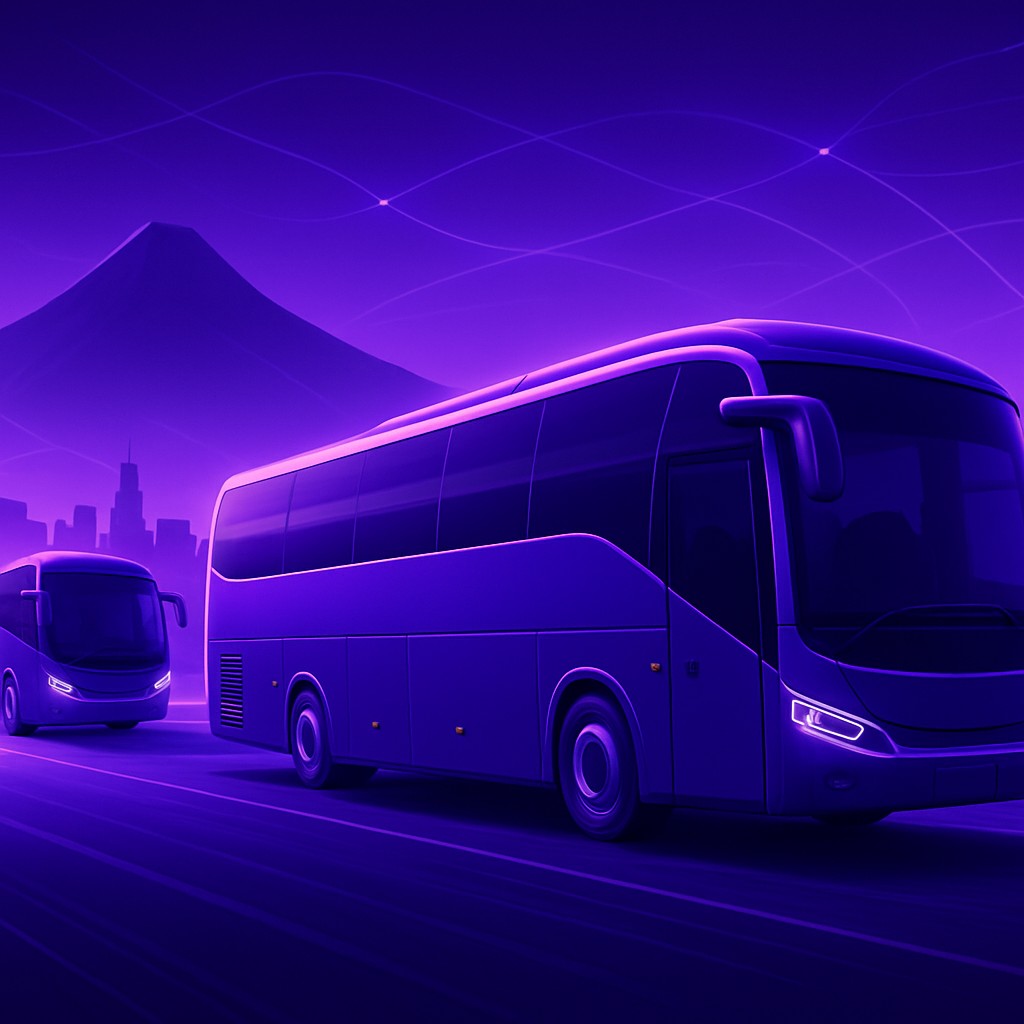
For travel between cities and to scenic or historical destinations, coaches arranged by tour operators are the standard means of transport for visitors. The Korea International Travel Company (KITC) coordinates much of this coach travel, providing comfortable, air-conditioned buses for tour groups journeying to destinations such as Kaesong, Mount Myohyang, Wonsan, and the Mount Chilbo region.
These coaches are maintained to a standard suitable for longer journeys, offering comfortable seating and reliable performance over the country's varied road network. Affiliated organizations, including the Korea International Sports Travel Company, also provide coach transport for specialized groups and delegations. The coordination of these services ensures that travelers can move smoothly between regions as part of their itineraries.
What Travelers Can Expect
Visitors traveling by coach can anticipate well-organized journeys with experienced drivers and accompanying guides. Routes and schedules are planned in advance, and the coaches are selected to provide comfort over distances that can take several hours. Guides often share information about the regions traversed, adding educational value to the travel time.
Road conditions vary, with major highways connecting principal cities and more modest roads serving remote areas. Travelers should prepare for longer journeys by bringing water, snacks, and items to stay comfortable. The structured nature of coach travel ensures efficiency and removes the complexities of independent navigation.
The Role of Buses in Daily Life and Tourism
Buses serve a dual role in the country, supporting the daily mobility of residents and enabling the movement of tourists across regions. The extensive urban networks reflect the importance of public transport in city life, while the well-coordinated tourist coaches make it possible for visitors to explore the country's diverse attractions. Together, these services form an essential part of the transportation ecosystem.
Tips for Bus Travel
Travelers using coach transport should confirm arrangements with their tour operator and prepare for longer journeys with appropriate provisions. Comfortable clothing and items to pass the time enhance the experience on extended routes. Observing the passing scenery offers a rewarding glimpse of the countryside and the rhythms of life beyond the capital. As always, patience and flexibility contribute to a smooth journey.
Trends in Bus Transport
There has been ongoing investment in modernizing bus fleets, with newer vehicles introduced into both urban and tourist services. The expansion of resort areas and regional attractions has increased the range of routes served by tourist coaches. These developments reflect an emphasis on improving transport quality and broadening the destinations accessible to visitors.
The Distinctive Character of Urban Bus Travel
One of the most striking aspects of bus transport in the capital is the distinctive character of its trolleybus and tram fleets, which have become an emblematic feature of the cityscape. Powered by overhead electric lines, trolleybuses move quietly along the broad avenues and represent a long-standing commitment to electric public transport. Trams complement this network on certain routes, adding to the variety of options available to residents. The orderly operation of these services, with defined routes and high ridership, reflects the central role that public transport plays in daily life. For observers, the sight of these vehicles moving through Pyongyang offers insight into the rhythms of the city and the infrastructure that supports its population. This blend of buses, trolleybuses, and trams gives urban transport a unique identity that distinguishes it from many other capitals.
Final Thoughts
Bus transport is fundamental to mobility in North Korea, serving residents through extensive urban networks and visitors through well-coordinated intercity coaches. Operators such as the Pyongyang City Bus Management and the Korea International Travel Company ensure that buses remain a reliable and important means of travel. For visitors, coach journeys offer a comfortable and scenic way to explore the country's many destinations, making buses an integral part of the travel experience.