
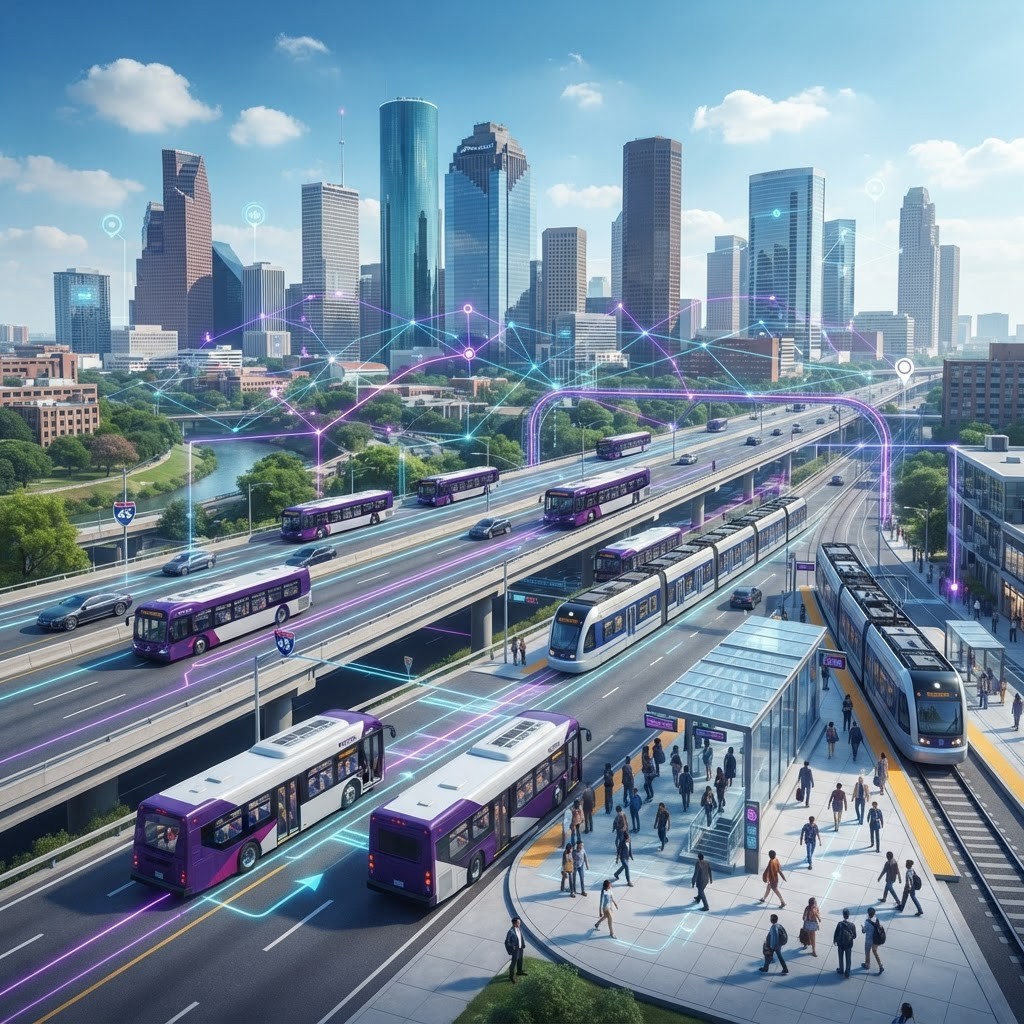
Bus Transportation Infrastructure in Houston
Houston's public transportation system relies significantly on bus services providing affordable, accessible mobility across the metropolitan area. Both public transit agencies and private bus operators maintain extensive route networks connecting residential neighborhoods, commercial districts, and regional destinations. Reliable bus services support commuting, tourism, and daily urban mobility while reducing traffic congestion and environmental emissions.
Modern bus fleets incorporate advanced technology, comfortable seating, and climate control enhancing passenger experiences. Real-time tracking systems, digital payment platforms, and mobile applications provide convenience and transparency. Continuous route optimization and service expansion respond to evolving transportation demands.
Public Transit Authority Services
The Metropolitan Transit Authority operates Houston's primary public bus system serving millions of annual passengers. Extensive route coverage spans urban core, suburban neighborhoods, and employment centers. Frequent service schedules on major corridors ensure minimal wait times for commuters.
Affordable fares, monthly passes, and reduced rates for seniors and disabled passengers promote equitable transportation access. Park-and-ride facilities enable seamless transitions between personal vehicles and public transit. Service consistency, predictable schedules, and professional staff support reliable transportation.
Intercity and Motorcoach Services
Long-distance bus services connect Houston to regional and national destinations. Intercity operators provide affordable alternatives to air and rail travel for passengers prioritizing cost savings. Motorcoach amenities including comfortable seating, onboard restrooms, and WiFi connectivity enhance long-distance travel experiences.
Premium services offering reclining seats, meal service, and entertainment systems cater to discerning passengers. Charter bus options accommodate group travel for events, corporate functions, and tourism. Flexible scheduling accommodates diverse travel needs and preferences.
Route Planning and Coverage Networks
Comprehensive route networks efficiently connect key destinations including residential areas, employment centers, shopping districts, and entertainment venues. Real-time route information enables travelers to plan trips effectively. Transfer centers facilitate convenient connections between complementary routes.
Accessibility considerations ensure routes serve diverse populations including transit-dependent seniors, disabled passengers, and economically disadvantaged residents. Route optimization balances frequency, coverage, and operational efficiency. Seasonal adjustments accommodate changing transportation patterns.
Safety and Security Measures
Professional bus operators prioritize passenger safety through rigorous driver training and vehicle maintenance. Security cameras, emergency communication systems, and trained staff respond to potential threats. Security protocols address passenger conflicts and emergency situations effectively.
Vehicle safety features including advanced braking systems, stability control, and collision avoidance technology protect passengers. Regular vehicle inspections ensure mechanical reliability. First aid equipment, emergency exits, and evacuation procedures prepare for emergency responses.
Comfort and Passenger Amenities
Modern buses feature ergonomic seating, climate control, and spacious interiors enhancing passenger comfort. USB charging ports, WiFi connectivity, and entertainment systems transform travel time into productive or enjoyable experiences. Wheelchair accessibility, priority seating for elderly and disabled passengers, and family-friendly environments accommodate diverse passenger needs.
Clean, well-maintained vehicles with professional staff contribute to positive passenger experiences. Onboard facilities including restrooms on long-distance services and water dispensers enhance journey comfort. Quiet environments and reduced engine noise reflect modern engineering advances.
Digital Platforms and Booking Systems
Mobile applications enable real-time route information, trip planning, and fare payment. Push notifications alert passengers about service changes, delays, or disruptions. Digital ticketing eliminates paper tickets while enabling rapid boarding processes.
Online booking systems for intercity services provide advance reservation, seat selection, and payment options. Integration with travel planning platforms enables comprehensive trip organization. Customer accounts track travel history, saved routes, and accumulated loyalty points.
Environmental Sustainability Initiatives
Bus services contribute significantly to environmental sustainability by reducing per-capita transportation emissions. Natural gas and electric bus adoption decreases air pollution and fossil fuel dependence. Fleet modernization continuously improves fuel efficiency and environmental performance.
Transit-oriented development reduces automobile dependency and promotes sustainable urban growth. Rideshare incentives encourage transit utilization over personal vehicle use. Educational campaigns raise awareness about environmental benefits of bus transportation.
Affordable Transportation and Economic Access
Bus services provide economically accessible transportation for low-income residents and transportation-dependent populations. Subsidized fares for seniors, students, and disabled individuals promote equitable access. Monthly passes and multi-trip discounts reduce per-ride costs for frequent travelers.
Employer partnerships offering transit benefit programs make bus transportation affordable for working professionals. Eliminates dependence on personal vehicle ownership and associated costs. Economic accessibility supports job access, educational opportunity, and community participation for disadvantaged populations.
Conclusion: The Importance of Quality Bus Services
Reliable, affordable bus transportation forms essential urban infrastructure supporting mobility, economic opportunity, and environmental sustainability. Houston's best bus companies balance service frequency, route coverage, and operational efficiency while maintaining passenger safety and comfort. Professional staff, well-maintained fleets, and customer-focused services distinguish premier operators. As transportation demand increases, quality bus services provide sustainable solutions supporting Houston's continued growth and livability for all residents.