
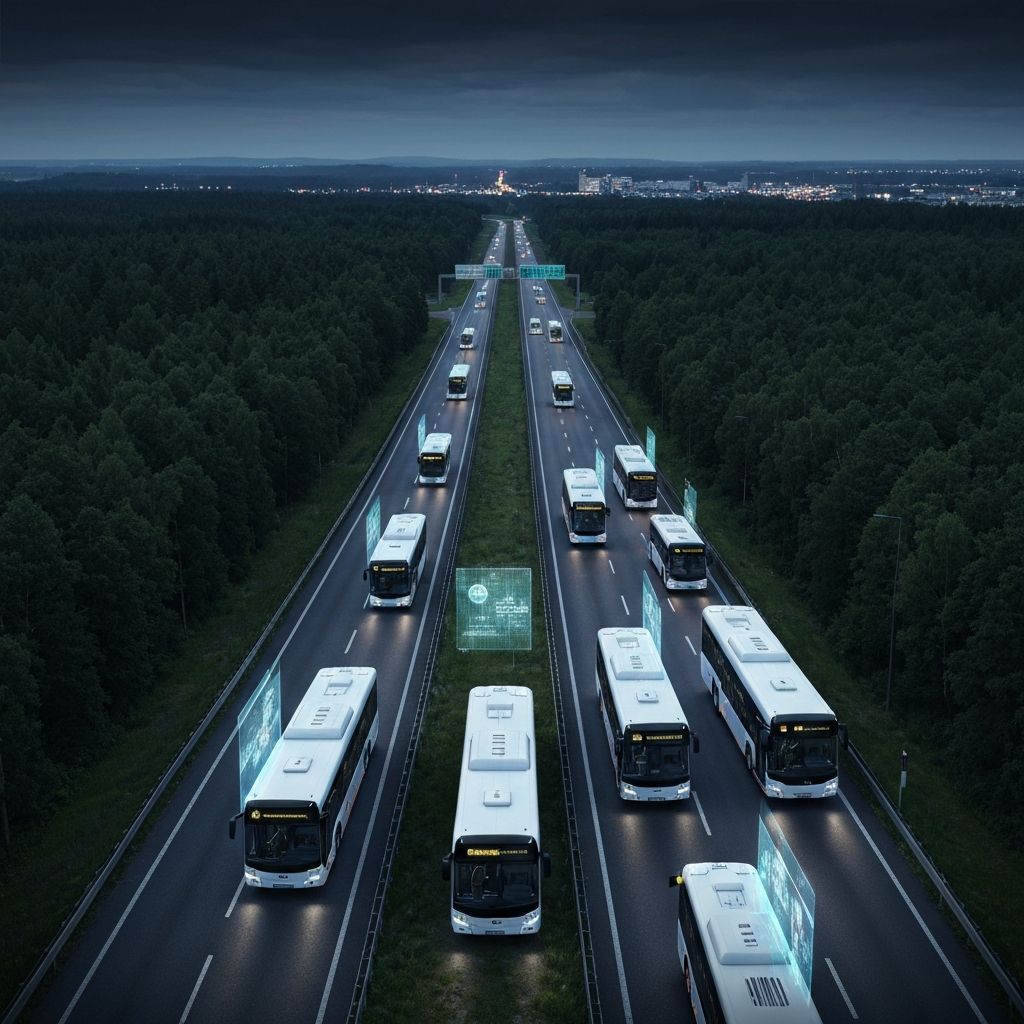
Bus Travel: A Cornerstone of German Mobility
Buses play a vital role in Germany's transport landscape, complementing the country's sophisticated rail network. Long-distance coach services have grown rapidly since deregulation in 2013, offering travelers affordable alternatives to trains and flights. Meanwhile, regional and municipal bus operators ensure that even small towns remain well connected. From sleek modern coaches to electric city buses, Germany's bus industry continues to evolve.
FlixBus
FlixBus is undoubtedly the most recognizable bus brand in Germany. Founded in Munich in 2013, the company revolutionized intercity bus travel with its bright green coaches, low fares, and extensive European network. With Wi-Fi, power outlets, and comfortable seating, FlixBus has become the default choice for budget-conscious travelers across Germany and the EU.
Deutsche Bahn IC Bus
Operated by Deutsche Bahn, the IC Bus complements the country's rail services by connecting cities not directly linked by trains. Known for punctuality, comfort, and integration with rail tickets, IC Bus is favored by passengers who want a seamless travel experience between modes of transport.
BlaBlaCar Bus
BlaBlaCar Bus, formerly known as Ouibus, has expanded into Germany with affordable intercity routes. Using a modern fleet and digital booking platform, the company appeals to younger travelers seeking flexibility and budget-friendly options.
RegioJet
RegioJet is a Czech-based operator with strong cross-border services into Germany, particularly toward Berlin, Munich, and other major hubs. Known for comfortable buses, attentive service, and frequent promotions, RegioJet has earned a loyal following.
BVG (Berliner Verkehrsbetriebe)
BVG operates Berlin's vast public transit network, including its famous yellow buses. With over 150 routes, including the iconic 100 and 200 sightseeing lines, BVG connects every corner of the capital. Its commitment to electric buses and accessibility has made it a benchmark in urban transit.
MVG (Münchner Verkehrsgesellschaft)
Munich's MVG is renowned for its high-quality bus services that complement its U-Bahn and tram networks. With clean vehicles, on-time performance, and integrated ticketing, MVG ensures efficient mobility across the Bavarian capital.
HOCHBAHN Hamburg
HOCHBAHN operates Hamburg's bus and metro network, providing reliable city transport across more than 100 bus routes. The company has invested significantly in zero-emission fleets, aiming for a fully electric bus operation in the coming years.
Postbus (Reinvented as Regional Carriers)
While the original Postbus brand merged into FlixBus, several regional Postbus-style operators continue to serve smaller German towns. These regional carriers maintain crucial last-mile connectivity, ensuring rural communities remain accessible.
Eurolines Germany
Eurolines has long been a major name in international coach travel from Germany to neighboring countries. While its scope has reduced due to competition from FlixBus, it remains a recognized brand for cross-border bus journeys.
Autokraft / DB Regio Bus
DB Regio Bus and its regional subsidiaries like Autokraft connect smaller towns and serve as essential operators in northern Germany. With dependable service and integration into national rail networks, they support millions of daily commuters.
Trends in the German Bus Industry
Sustainability is reshaping the sector, with electric and hydrogen-powered buses becoming common in major cities. Digital ticketing, real-time tracking, and improved accessibility are also gaining traction. Long-distance operators continue to expand routes to accommodate growing demand for affordable, low-emission travel.
Choosing the Right Bus Company
For long-distance travel, FlixBus and IC Bus dominate. For city travel, BVG, MVG, and HOCHBAHN remain unbeatable. Regional carriers connect rural areas with reliable service. Whatever the route, Germany's bus industry offers safe, affordable, and increasingly green transportation.