
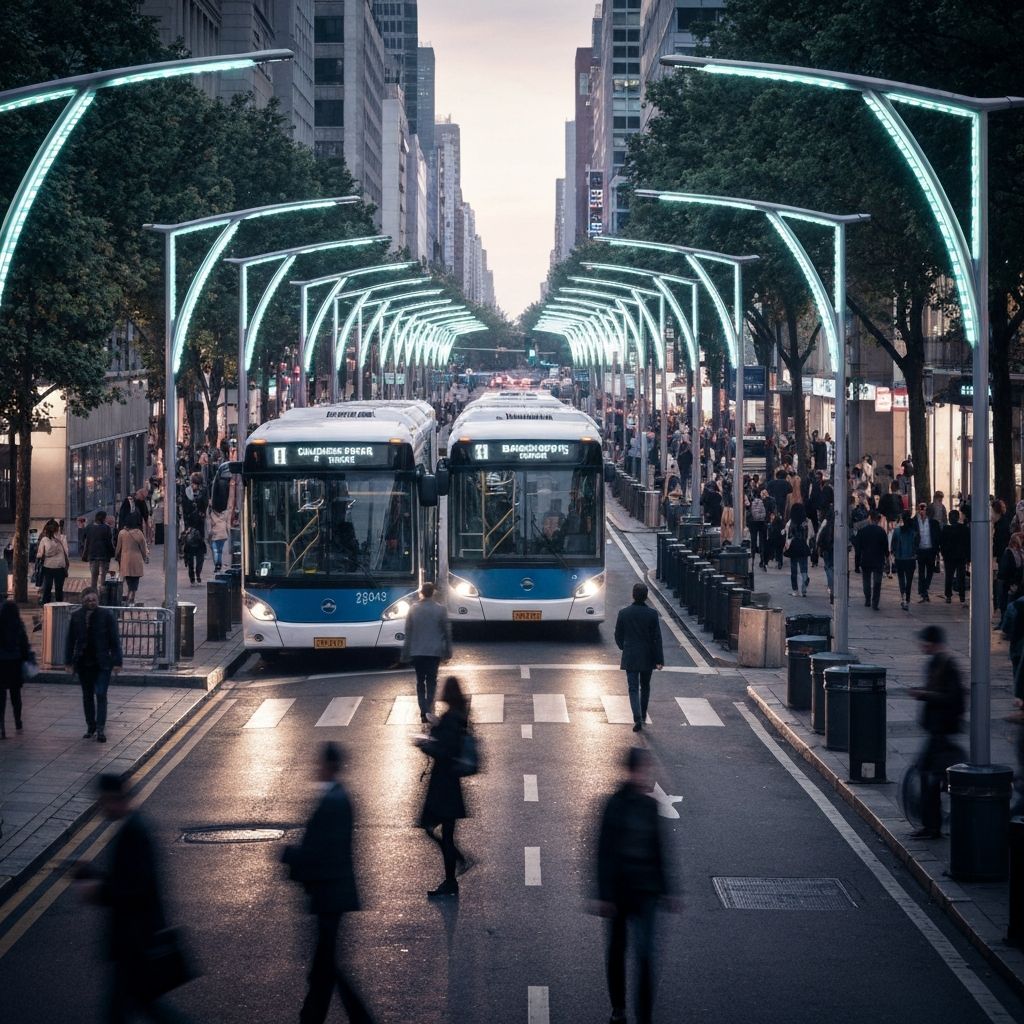
Introduction to China's Bus Industry
China operates one of the world's largest and most sophisticated bus networks, connecting megacities, provincial capitals, rural towns, and tourist destinations across an immense geographic footprint. With a population exceeding 1.4 billion and rapid urbanization, bus services remain a cornerstone of mobility, complementing the country's expanding high-speed rail and aviation systems. The leading operators have invested heavily in clean-energy fleets, mobile ticketing platforms, and integrated travel apps that make long-distance and intercity journeys remarkably efficient.
Yutong Bus Group
Headquartered in Zhengzhou, Yutong is widely regarded as the largest bus manufacturer and operator-supplier in the world. While primarily a manufacturer, Yutong's vehicles dominate the fleets of countless intercity and tourist coach operators throughout China. The brand is synonymous with reliability, comfort, and innovation, especially in electric and hydrogen-powered coaches that are reshaping long-haul travel.
King Long United Automotive Industry
Based in Xiamen, King Long is another industry titan whose coaches operate on thousands of routes across China. Known for their durable construction and panoramic windows, King Long coaches are favored by tourism-focused operators offering scenic journeys through provinces such as Yunnan, Sichuan, and Guangxi.
China Railway Express Bus
Operating as a complement to the national rail network, China Railway Express Bus connects major rail hubs with smaller towns that lack direct train service. Passengers value the seamless ticketing integration that allows combined train-and-bus itineraries booked through a single platform.
Jinlong Coach
Jinlong, often referred to interchangeably with Golden Dragon, runs premium intercity routes between tier-one cities like Beijing, Shanghai, Guangzhou, and Shenzhen. The company is celebrated for its sleeper coaches, which offer reclining beds for overnight travel, a popular alternative for budget-conscious long-distance travelers.
Shanghai Bashi Group
Shanghai Bashi is the dominant urban and suburban bus operator in the Shanghai metropolitan region. The group has aggressively electrified its fleet and integrated route data with the city's smart transportation grid, reducing emissions and travel times across one of the world's busiest urban environments.
Beijing Public Transport Holdings
While primarily known for city buses, Beijing Public Transport Holdings also operates substantial suburban and regional coach services radiating from the capital. Its tourism subsidiaries offer guided coach trips to the Great Wall, Ming Tombs, and other heritage sites surrounding Beijing.
Shenzhen Bus Group
Shenzhen Bus Group made global headlines by becoming the first major operator to fully electrify its fleet, a milestone that set a benchmark for sustainable urban transit worldwide. The company continues to lead in autonomous driving pilots and AI-based route optimization.
Guangzhou Public Transport Group
Guangzhou's transit operator runs an extensive intercity coach service connecting the Pearl River Delta, including links to Hong Kong and Macau via cross-border coaches. Its fleet blends double-decker city buses with luxury intercity coaches.
Hangzhou Public Transport Group
Famous for serving the picturesque West Lake region, Hangzhou's bus operator combines tourism-oriented sightseeing routes with everyday commuter service. The integration with Alipay-based mobile ticketing makes boarding effortless for both locals and visitors.
Chengdu Bus Group
Chengdu's operator serves the gateway to western China, with coaches connecting the city to Tibet, Yunnan, and Sichuan's mountain destinations. The company is recognized for safety standards on challenging high-altitude routes.
Industry Trends and Innovations
The Chinese bus industry is undergoing a profound transformation driven by electrification, digitization, and passenger experience upgrades. Battery-electric coaches now dominate new fleet purchases, while hydrogen fuel-cell pilots are expanding in northern provinces. Mobile super-apps allow travelers to book, pay, and even pre-select seats in seconds, eliminating queues at terminals. Onboard amenities such as USB charging, free wireless internet, and reclining seats have become standard expectations even on budget routes.
What Sets the Best Apart
The leading bus companies in China distinguish themselves through punctuality, vehicle quality, professional drivers, transparent pricing, and customer service. Safety records, particularly on mountainous or long-distance routes, weigh heavily in passenger choice. Operators that invest in driver training, vehicle maintenance, and real-time GPS tracking consistently earn higher satisfaction scores.
Conclusion
China's bus companies form an indispensable layer of the nation's mobility ecosystem, bridging gaps between rail, air, and private transport. Whether commuting within a megacity, traveling overnight between provinces, or sightseeing through scenic countryside, travelers benefit from an industry that has embraced technology and sustainability at remarkable scale. The ten companies highlighted represent the standard-bearers of an evolving sector that continues to redefine what comfortable, reliable, and affordable road travel looks like.