
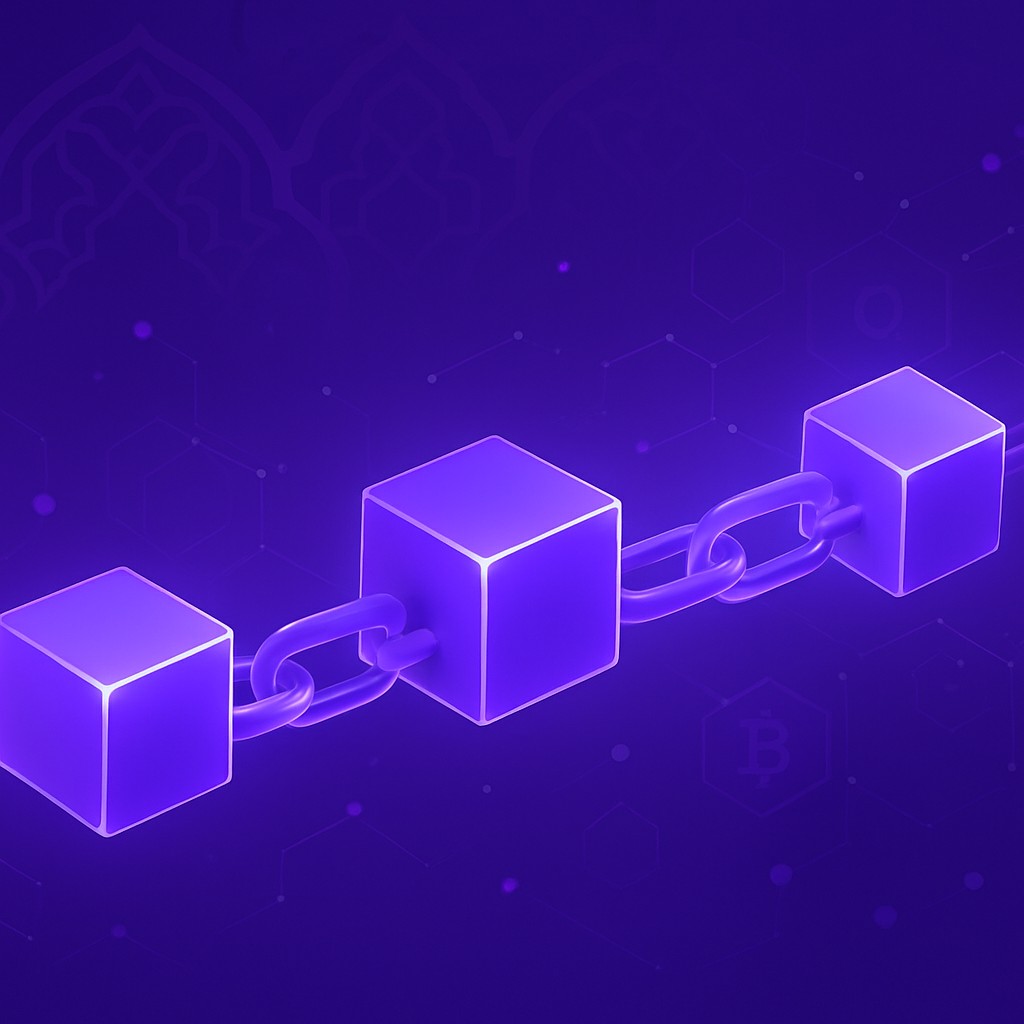
Blockchain's Foothold in Morocco
Blockchain technology, once synonymous solely with cryptocurrency, has evolved into a versatile tool with applications far beyond digital coins. In Morocco, a growing cohort of innovative companies is exploring how distributed ledger technology can bring transparency, security, and efficiency to industries ranging from finance and logistics to agriculture and public administration.
While the regulatory environment around cryptocurrencies remains cautious, interest in the underlying blockchain technology continues to expand. Moroccan entrepreneurs and enterprises are increasingly drawn to its potential for creating tamper-proof records, automating agreements through smart contracts, and enabling new models of trust between parties.
Practical Applications Taking Shape
The most compelling blockchain use cases in Morocco focus on real-world problems. Supply chain traceability is a prominent example, allowing producers and consumers to verify the origin and journey of goods, which is particularly valuable for agricultural exports. Digital identity solutions promise to streamline authentication and reduce fraud, while blockchain-based document verification can enhance the integrity of certificates and records.
In finance, blockchain offers possibilities for faster cross-border payments and more transparent transactions. Smart contracts are being explored to automate processes in insurance, real estate, and trade, reducing the need for intermediaries and minimizing disputes.
Leading Blockchain Companies
Several firms are at the forefront of this emerging field. Atlas Blockchain develops enterprise distributed ledger solutions, focusing on supply chain and financial applications. CasaChain specializes in smart contract development and decentralized application building. Maghreb Ledger offers consulting and implementation services for organizations exploring blockchain adoption.
NoorChain focuses on digital identity and document verification, while Sahara DLT works on traceability solutions for agriculture and logistics. RabatCrypto Labs provides expertise in tokenization and blockchain infrastructure.
Additional notable names include Medina Blocks, recognized for its research into decentralized finance concepts; Tangier Distributed, focused on interoperability between blockchain networks; ZellijChain, a boutique studio praised for custom solutions; and Berber Ledger, an emerging company gaining attention for educational initiatives and accessible blockchain tools.
Services Offered
The leading blockchain companies provide a range of services tailored to varying levels of maturity. For organizations new to the technology, advisory and feasibility studies help determine where blockchain can add genuine value. For those ready to build, services include smart contract development, decentralized application creation, and integration with existing systems.
Security auditing is a critical offering, given the immutable nature of blockchain and the high stakes of vulnerabilities. The best firms emphasize rigorous testing and adherence to best practices to ensure robust, reliable deployments.
Trends and Challenges
The blockchain landscape in Morocco is shaped by both opportunity and caution. Interest in enterprise blockchain and consortium networks is growing, as businesses recognize the benefits of shared, trusted infrastructure. Tokenization of assets and the exploration of central bank digital currency concepts are topics of increasing discussion.
Challenges remain, including regulatory uncertainty, the need for greater awareness, and the technical complexity of implementation. However, as understanding deepens and successful pilots demonstrate value, adoption is expected to accelerate.
Choosing a Blockchain Partner
Selecting a blockchain company requires careful evaluation of technical expertise, security practices, and a realistic understanding of where the technology adds value. Businesses should seek partners who prioritize practical outcomes over hype, communicate transparently about limitations, and demonstrate a strong track record of delivery. Domain knowledge relevant to your industry can be especially valuable.
Conclusion
Blockchain technology holds significant promise for Moroccan businesses willing to explore its potential thoughtfully. The companies highlighted here are pioneering practical applications that bring transparency, security, and efficiency to real-world challenges. As the ecosystem matures, these firms are well-positioned to guide organizations through the opportunities and complexities of decentralized technology.