
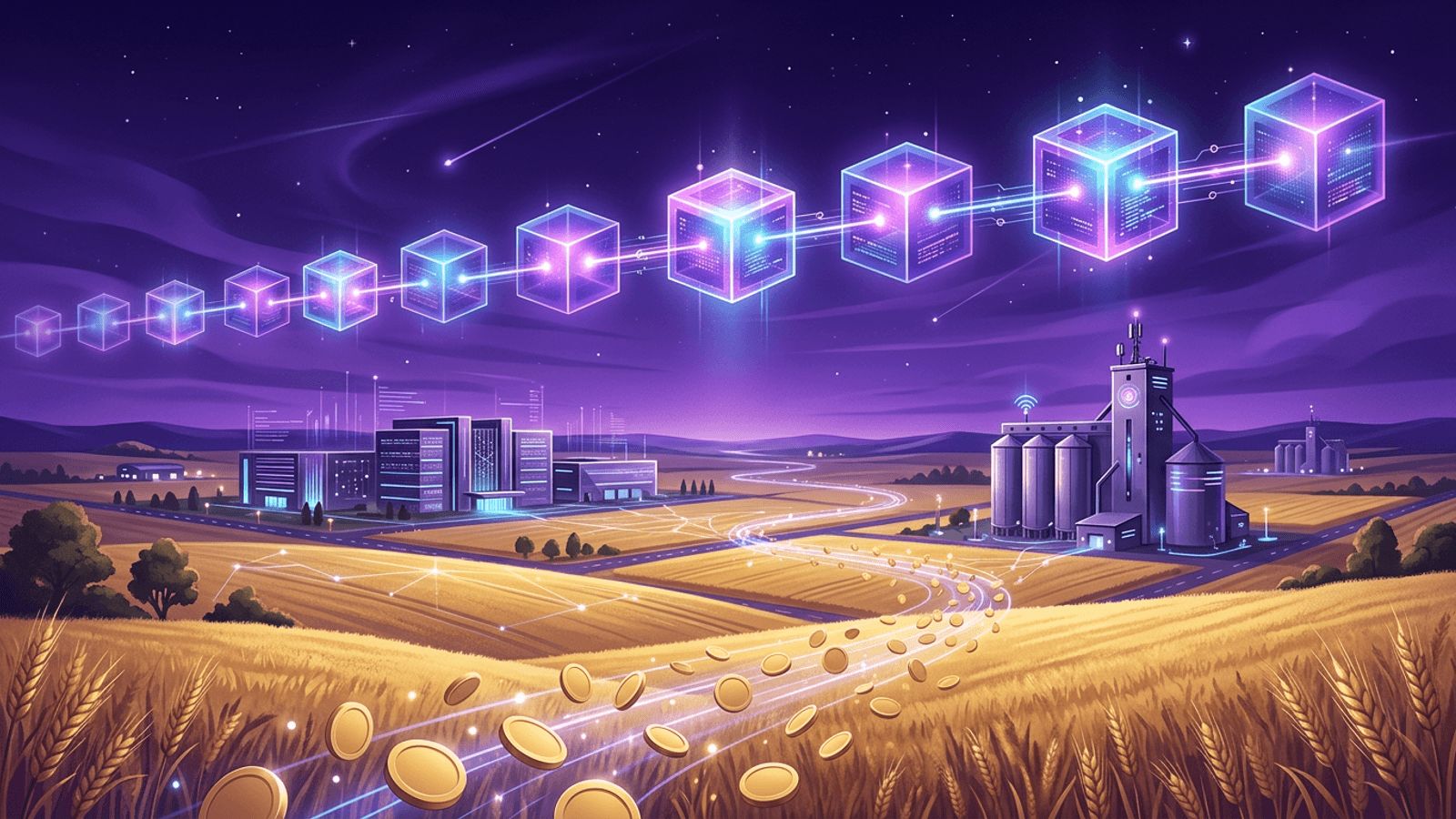
Blockchain technology has evolved well beyond its association with cryptocurrency. Today, it supports supply chain traceability, secure digital transactions, smart contracts, and decentralized data storage. For Fargo, a city rooted in agriculture, finance, and technology, blockchain offers intriguing possibilities, especially for tracking commodities, verifying transactions, and building trust across complex networks.
North Dakota has also become a notable location for digital infrastructure, with data centers taking advantage of the state's cool climate and energy resources. This guide covers ten blockchain companies and platforms that are relevant to Fargo businesses, investors, and residents.
Understanding Blockchain's Value
A blockchain is a shared, tamper-resistant ledger that records transactions across a distributed network. Because records cannot easily be altered, blockchain creates transparency and trust without requiring a central authority. Smart contracts automate agreements when conditions are met, reducing administrative costs. For industries like agriculture, where products pass through many hands, blockchain can provide verifiable records of origin, quality, and handling.
The Top 10 Blockchain Companies Relevant to Fargo
1. Applied Digital
Applied Digital operates high-performance data centers in North Dakota that have supported blockchain and digital asset computing as well as AI workloads. Its facilities highlight the state's growing role in digital infrastructure.
2. Coinbase
Coinbase is one of the most widely used cryptocurrency platforms in the United States. Fargo residents and businesses use it to buy, sell, and store digital assets, and its educational resources help newcomers understand blockchain fundamentals.
3. Kraken
Kraken is a long-established digital asset exchange known for security and a broad range of supported assets. It offers trading, staking, and institutional services for experienced users.
4. Chainalysis
Chainalysis provides blockchain data analysis used by financial institutions and government agencies for compliance and investigations. Its tools help organizations manage risk when dealing with digital assets.
5. Ripple
Ripple focuses on blockchain-based payment solutions for financial institutions, enabling faster and more cost-effective cross-border transactions. Its technology is relevant to regional banks exploring modern payment infrastructure.
6. ConsenSys
ConsenSys builds software for the Ethereum ecosystem, including developer tools and digital wallets. Fargo developers exploring smart contracts and decentralized applications often use its tools.
7. IBM Blockchain
IBM has developed enterprise blockchain solutions focused on supply chain transparency and food traceability. These concepts are especially relevant to Fargo's agricultural and food production sectors.
8. Bitcoin Depot
Bitcoin Depot operates cryptocurrency kiosks across the country, including locations in North Dakota, giving residents a convenient way to purchase digital assets with cash.
9. CoinFlip
CoinFlip is another major operator of cryptocurrency ATMs, providing in-person access to digital currency purchases and sales in communities throughout the region.
10. Circle
Circle is the company behind USDC, a widely used dollar-backed stablecoin. Stablecoins are gaining attention from businesses interested in fast digital payments without the volatility of other cryptocurrencies.
Blockchain Trends in North Dakota
The region's cool climate and energy availability have attracted data center investment, some of which has supported blockchain computing. Over time, many facilities have diversified into artificial intelligence and high-performance computing. In agriculture, interest in traceability continues to grow as consumers and buyers demand verified information about how food is produced.
Regulatory clarity is improving, encouraging financial institutions to explore blockchain-based payments and custody services. Stablecoins and tokenized assets are emerging as areas of interest for businesses seeking efficient settlement and new financial products.
Considerations Before Adopting Blockchain
Blockchain is not the right solution for every problem. Businesses should evaluate whether they truly need a decentralized ledger or whether a traditional database would suffice. Consider regulatory requirements, security practices, energy impact, and integration with existing systems. For individuals, it is important to understand the risks of digital asset investing, protect private keys, and use reputable platforms.
Blockchain Opportunities for Agriculture
Agriculture may be one of the most promising areas for blockchain in the Fargo region. Grain, livestock, and specialty crops pass through many hands between field and final buyer, creating opportunities for disputes, delays, and paperwork. A shared, verifiable record of contracts, quality tests, and deliveries could reduce friction and build trust among farmers, elevators, processors, and exporters. Identity-preserved and organic products could also benefit, since buyers increasingly want proof of origin and handling practices. While adoption is still early, the region's expertise in agricultural software positions it well to explore these possibilities.
Staying Safe with Digital Assets
For Fargo residents exploring cryptocurrency, safety should come first. Use reputable platforms, enable multi-factor authentication, and consider hardware wallets for long-term storage. Be cautious of unsolicited investment offers, pressure to act quickly, or requests to send funds through kiosks, as these are common signs of scams. Investing only what you can afford to lose and learning the basics before buying helps protect your finances.
Final Thoughts
Blockchain technology holds real promise for Fargo's agricultural, financial, and technology sectors. The companies and platforms on this list represent the infrastructure, tools, and services shaping blockchain adoption in the region. As the technology matures and regulations become clearer, Fargo businesses that explore blockchain thoughtfully may discover new ways to build trust, improve efficiency, and create value.