
Cycling Culture in South Korea
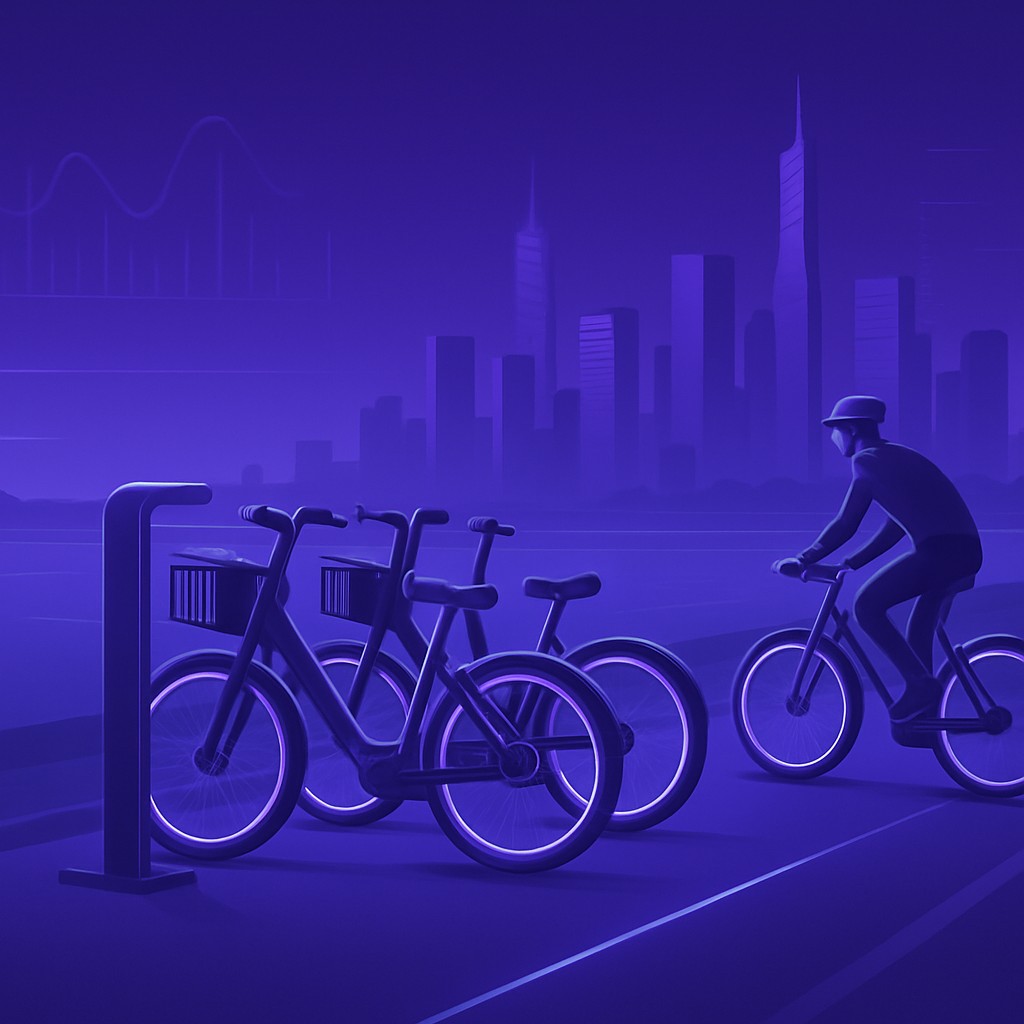
Cycling has become an increasingly popular activity in South Korea, embraced both as a practical mode of transportation and a leisure pursuit. The country's extensive network of dedicated bike paths, particularly along scenic rivers and coastlines, makes it an inviting destination for cyclists of all levels. From bustling city centers to peaceful countryside trails, bike rental services have made it easier than ever to enjoy two-wheeled travel without owning a bicycle.
Public bike-sharing programs and private rental shops have flourished in response to growing demand. These services offer convenience, affordability, and flexibility, allowing residents and tourists alike to explore neighborhoods, commute to work, or enjoy weekend rides along beautiful routes.
Why Bike Rentals Are Thriving
Several factors have fueled the popularity of bike rentals. Growing environmental awareness has encouraged more people to choose cycling as a clean, sustainable alternative to cars. Health-conscious lifestyles have made cycling an appealing form of exercise. Meanwhile, the convenience of app-based rentals, affordable pricing, and well-maintained infrastructure has lowered the barriers to getting on a bike. Cities have actively supported cycling by expanding bike lanes and docking stations.
The Top 10 Bike Rental Services
Seoul Bike (Ttareungi) is the capital's beloved public bike-sharing program. With thousands of bikes available at docking stations across the city, it offers an affordable and convenient way to get around, accessible through a simple mobile app.
Tashu is the public bike-sharing system serving Daejeon, providing residents with easy access to bicycles for short trips and daily commuting at low cost.
Nubija operates in Changwon and is one of the country's pioneering public bike programs, known for its extensive station network and community focus.
Busan Bike (Tarayo) serves the coastal city with convenient rentals, allowing riders to enjoy scenic seaside routes and urban exploration alike.
Green Bike offers public bike-sharing in select regions, promoting eco-friendly transportation and easy access for local residents.
Han River Bike Rentals are popular among tourists and locals seeking leisure rides along the iconic riverside parks. These rental kiosks offer a variety of bikes for relaxed sightseeing.
Jeju Bike Rentals cater to visitors exploring the island's stunning coastal roads and countryside, providing road bikes and touring bicycles for memorable journeys.
Kakao T Bike is a dockless bike-sharing service integrated with a popular mobility app, offering electric-assist bikes that can be picked up and dropped off flexibly.
Elecle provides app-based electric bike rentals, making longer rides and hilly routes easier with convenient pickup and drop-off options in various cities.
Local Tour Bike Shops round out the list, offering quality rentals, guided cycling tours, and equipment for enthusiasts looking to explore specific regions and trails in depth.
Scenic Routes Worth Exploring
South Korea offers some of Asia's most rewarding cycling experiences. The riverside paths that wind through major cities provide flat, safe routes perfect for casual riders. Long-distance cross-country trails connect regions and showcase beautiful landscapes, while island and coastal roads offer breathtaking ocean views. These well-maintained routes, often separated from car traffic, make cycling both safe and enjoyable for everyone.
How Bike Rentals Work
Most public bike-sharing services operate through user-friendly mobile apps that allow riders to locate, unlock, and pay for bikes in seconds. Docked systems require returning bikes to designated stations, while dockless services offer greater flexibility. Pricing is typically based on usage time, with affordable hourly and daily rates, as well as subscription passes for frequent riders. Electric-assist options provide extra power for longer or hillier journeys.
Tips for Renting a Bike
To make the most of a bike rental, riders should download the relevant app in advance, check bike availability, and familiarize themselves with local cycling rules. Wearing a helmet, staying on designated paths, and being mindful of pedestrians ensure a safe ride. For tourists, choosing scenic riverside or coastal routes offers a memorable way to experience the country's natural beauty.
Conclusion
Bike rental services have transformed the way people move through South Korea's cities and countryside, offering an affordable, healthy, and eco-friendly travel option. The services highlighted here combine convenience, accessibility, and flexibility to suit commuters, leisure riders, and tourists alike. Whether gliding along a riverside path in the capital or exploring an island's coastal roads, these bike rentals make cycling an accessible and enjoyable part of life in South Korea.